
Starting an acetylene torch correctly is fundamental to oxy-acetylene welding and cutting processes. This setup combines acetylene fuel with oxygen to produce a high-temperature flame capable of melting metals or slicing through steel.
For DIY welders, hobbyists, students, and shop technicians, mastering how to start an acetylene torch ensures clean cuts, strong welds, and prevents hazards like flashbacks or leaks. Improper ignition can lead to unstable flames, equipment damage, or serious injuries from gas buildup.
Done right, it delivers precise control over heat input, improving penetration and reducing distortion in fabrication tasks. This guide provides structured instructions based on standard practices to achieve reliable results every time.
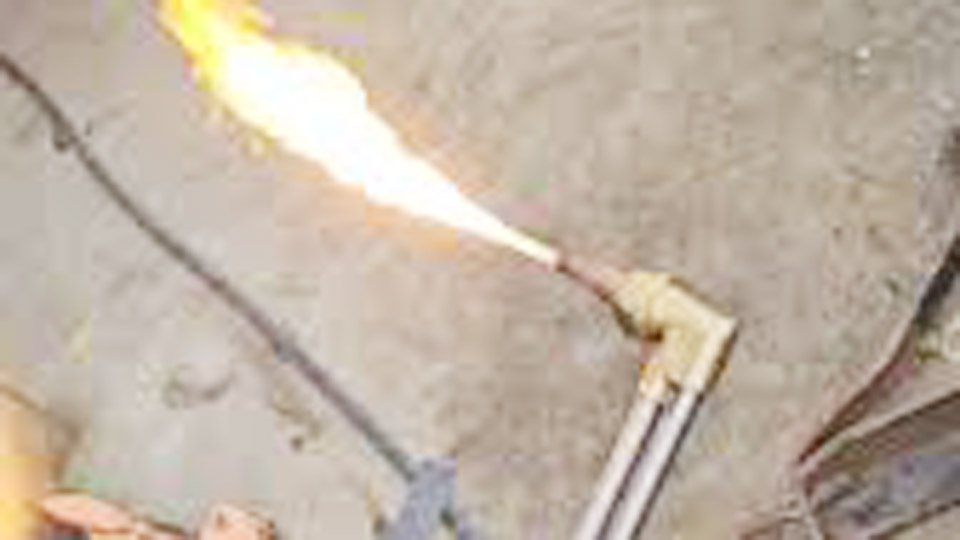
Image I See You Don’t Know Shit About Welding
Understanding Oxy-Acetylene Torches
An oxy-acetylene torch system uses compressed gases to generate a controlled flame for heating, welding, or cutting metals. The core components include oxygen and acetylene cylinders, regulators to control pressure, hoses for gas delivery, a torch handle with valves, and interchangeable tips for specific applications.
Oxygen cylinders are typically green and store the gas at high pressure, up to 2,200 psi. Acetylene cylinders are red, containing the gas dissolved in acetone for stability, with a maximum safe pressure of 15 psi at the regulator. Regulators reduce cylinder pressure to workable levels, displaying both tank and delivery pressures on gauges.
Hoses are color-coded: green for oxygen (right-hand threads) and red for acetylene (left-hand threads with notched nuts). The torch handle mixes the gases, with separate valves for fine control. Tips vary by size and type, welding tips for fusion, cutting tips with preheat holes and a central oxygen orifice.
This setup allows flame temperatures up to 6,300°F, ideal for ferrous metals. Proper assembly prevents reverse gas flow, which could cause explosions.
Essential Safety Precautions
Safety forms the foundation of working with oxy-acetylene equipment. Always secure cylinders upright on a cart or with chains to prevent tipping. Inspect for damage: check valves for grease or oil, as oxygen reacts violently with hydrocarbons. Use flashback arrestors or check valves at the torch and regulators to stop flame propagation.
Wear appropriate PPE: flame-resistant gloves, safety goggles with at least shade 4 lenses, leather aprons, and steel-toed boots. Avoid synthetic clothing that melts. Ensure the workspace is well-ventilated to disperse fumes and prevent oxygen depletion. Keep a fire extinguisher rated for flammable gases nearby.
Never exceed 15 psi on acetylene regulators—higher pressures risk decomposition. Purge lines before lighting to clear contaminants. Test for leaks with soapy water; bubbles indicate issues. If a flashback occurs (hissing or popping), close valves immediately, starting with oxygen, and inspect equipment before reuse.
Handle hot metal with tongs, and never leave a lit torch unattended. Store cylinders separately, with oxygen at least 20 feet from fuel gases or behind a non-combustible barrier.
Preparing Your Equipment Setup
Begin by positioning cylinders vertically and securing them. Clean valve outlets by briefly cracking the oxygen valve (face away) to blow out debris; for acetylene, use a clean rag or nitrogen—never crack it due to explosion risk.
Attach regulators: connect the oxygen regulator (right-hand threads) to the oxygen cylinder, tilting it upward slightly. Tighten with a fixed wrench. Attach the acetylene regulator (left-hand threads) similarly. Back out pressure-adjusting screws counterclockwise until loose.
Connect hoses: green to oxygen regulator and torch outlet (right-hand), red to acetylene (left-hand). Use T-grade hoses for versatility. Tighten connections snugly but avoid over-tightening.
Pressurize slowly: Open the oxygen cylinder valve fully, then adjust delivery to 10 psi initially. Open acetylene valve 1/4 to 3/4 turn (leave wrench in place for quick shutoff), set to 5-10 psi. Close torch valves during this step.
Leak test: Apply leak-detection solution to all connections. Watch for bubbles over 1-2 minutes. If leaks appear, depressurize, retighten, and retest. Faulty hoses must be replaced—never tape them.
This preparation ensures a sealed system, minimizing risks during operation.
Setting Gas Pressures
Gas pressures depend on tip size and application. For welding, match pressures equally; for cutting, oxygen is higher. Always consult manufacturer charts, but general guidelines follow.
For acetylene, never exceed 15 psi to avoid instability. Oxygen varies by task.
Use the table below for common cutting tip sizes (based on Victor-style tips for mild steel):
| Metal Thickness | Tip Size | Cutting Oxygen (PSI) | Preheat Oxygen (PSI) | Acetylene (PSI) | Speed (IPM) | Kerf Width |
|---|---|---|---|---|---|---|
| 1/8″ | 000 | 20-25 | 3-5 | 3-5 | 28-32 | 0.04″ |
| 1/4″ | 00 | 20-25 | 3-5 | 3-5 | 27-30 | 0.05″ |
| 1/2″ | 0 | 30-35 | 3-6 | 3-5 | 20-24 | 0.06″ |
| 1″ | 2 | 35-40 | 4-9 | 3-6 | 15-19 | 0.09″ |
| 2″ | 3 | 40-45 | 5-14 | 4-9 | 12-15 | 0.11″ |
| 4″ | 5 | 45-55 | 7-18 | 5-12 | 8-11 | 0.15″ |
For welding tips:
| Tip Size | Drill Size | Oxygen (PSI) | Acetylene (PSI) | Acetylene Flow (SCFH) |
|---|---|---|---|---|
| 000 | 75 | 3-5 | 3-5 | 1-2 |
| 0 | 65 | 3-5 | 3-5 | 2-4 |
| 2 | 56 | 3-5 | 3-5 | 5-10 |
| 4 | 49 | 5-10 | 4-7 | 10-25 |
| 6 | 36 | 7-14 | 6-9 | 25-45 |
Adjust with gases flowing through the torch for accuracy. Higher tips may require 3/8″ hoses for adequate flow.
Lighting the Torch
With pressures set and lines purged, proceed to ignition.
Purge lines separately: Open oxygen torch valve 1/4 turn, let flow 3-5 seconds, close. Repeat for acetylene.
Open acetylene torch valve 1/2 turn. Use a friction striker to ignite—never matches or lighters, as they risk burns.
The initial flame will be yellow and sooty. Reduce acetylene until smoke clears and flame attaches to the tip.
Slowly open oxygen valve. Adjust until a neutral flame forms: a sharp inner blue cone with no feather or hiss.
For cutting torches, depress the oxygen lever to verify the cutting jet is straight and clear.
If backfire occurs (flame pops out), close acetylene first, then oxygen. Check for low pressures or dirty tips.
This sequence ensures safe startup without mixed-gas ignition risks.
Adjusting the Flame
Flame type affects weld quality and material behavior. Three main types exist, controlled by oxygen-acetylene ratio.
Neutral flame: Equal gases (1:1 ratio), with a defined inner cone and outer envelope. Temperature around 5,900°F. Use for most welding and cutting—provides complete combustion without altering metal chemistry. Ideal for mild steel, stainless, and cast iron.
Carburizing (reducing) flame: Excess acetylene (ratio >1:1), showing a feathery extension on the inner cone. Adds carbon to the weld pool, increasing hardness. Apply for high-carbon steels or hardfacing, but avoid on low-carbon materials to prevent brittleness.
Oxidizing flame: Excess oxygen (ratio <1:1), with a shorter, pointed cone and hissing sound. Burns out impurities, reaching 6,300°F. Suitable for brass, copper, or zinc, but can embrittle steels by removing carbon.
Observe cone length: For neutral, inner cone should be 2-3 times tip orifice diameter. Adjust valves finely while monitoring.
Shutting Down the Torch
Proper shutdown prevents hazards and preserves equipment.
Close oxygen torch valve first, then acetylene—this starves the flame safely.
If done for the day: Close cylinder valves (oxygen fully, acetylene tightly). Bleed lines by opening torch valves until gauges read zero. Back out regulator screws.
Inspect tips for carbon buildup; clean with tip cleaners if needed.
Store torches with valves closed, away from heat sources.
Common Applications and Practical Tips
Oxy-acetylene torches excel in cutting thick steel plates where plasma lacks power, or welding in field repairs without electricity.
For cutting, preheat metal to cherry red before engaging oxygen jet—ensures clean edges with minimal slag. Travel speed influences kerf: too slow causes excessive melting, too fast leaves rough cuts.
In welding, maintain a consistent puddle size for even penetration. On thin materials, reduce pressures to avoid burn-through.
One practical insight: Always match tip size to material thickness for efficiency—oversized tips waste gas, undersized prolong tasks.
Another: Periodically test flashback arrestors by blowing into them; no air should pass reverse.
These enhance control in shop environments.
Troubleshooting Starting Issues
If the torch won’t light, check acetylene flow—low pressure causes weak flames. Dirty tips block gas; clean or replace.
Sooty flames indicate insufficient oxygen; adjust ratios. Popping suggests leaks or low acetylene—depressurize and inspect.
Hissing during lighting points to high oxygen; reduce before igniting.
Address issues promptly to maintain safety.
Final Thoughts
Starting an acetylene torch demands precision to harness its full potential in welding and cutting. By following these steps— from secure setup and pressure adjustments to flame tuning—you gain reliable heat control, leading to better bead appearance and stronger joints.
This process not only boosts efficiency in fabrication but also minimizes risks like gas leaks or unstable arcs. Remember, consistent practice refines technique, allowing finer adjustments for material-specific needs.
As an advanced insight, monitor acetylene withdrawal rates: exceed 1/7 cylinder capacity per hour, and manifold multiple cylinders to prevent acetone carryover, which contaminates flames and reduces performance in prolonged sessions.
FAQ
What causes a flashback when starting an acetylene torch?
Flashbacks occur from reverse gas flow, often due to clogged tips, low pressures, or faulty check valves. Close valves immediately, inspect, and replace damaged parts before relighting.
How do I choose the right tip size for starting the torch?
Select based on material thickness and task. For cutting 1/2″ steel, use size 0; for welding 1/8″ plates, size 2. Manufacturer charts provide exact matches for optimal gas flow.
Can I use the same pressures for all flame types?
No—neutral requires balanced pressures, carburizing slightly more acetylene, oxidizing more oxygen. Start neutral, then tweak for application without exceeding 15 psi acetylene.
What if my flame is unstable after starting?
Unstable flames stem from wind, improper ratios, or leaks. Shelter the area, readjust valves to neutral, and retest connections with soapy water.
How often should I inspect equipment before starting?
Inspect before each use: check hoses for cracks, regulators for gauge accuracy, and cylinders for secure mounting. Annual professional servicing catches hidden wear.
Hi, I’m Zachary Ford. I’m passionate about welding and dedicated to helping both beginners and experienced welders make informed decisions. I research, test, and write about welding helmets, welding machines, safety equipment, and essential workshop tools. My goal is to provide honest reviews, practical buying guides, and easy-to-follow tutorials that help you weld more safely, work more efficiently, and choose the right gear with confidence.