
When it comes to welding, your safety starts with the right helmet. But how do you know which welding helmet truly protects your eyes and face?
Understanding welding helmet safety ratings is key to making the best choice. These ratings tell you how well a helmet shields you from harmful sparks, intense light, and dangerous UV rays. If you want to keep your vision sharp and avoid injuries, you need to pay attention to these safety standards before picking your gear.
Keep reading to discover what those ratings mean and how to find the perfect helmet that fits both your safety needs and your budget. Your eyes will thank you.
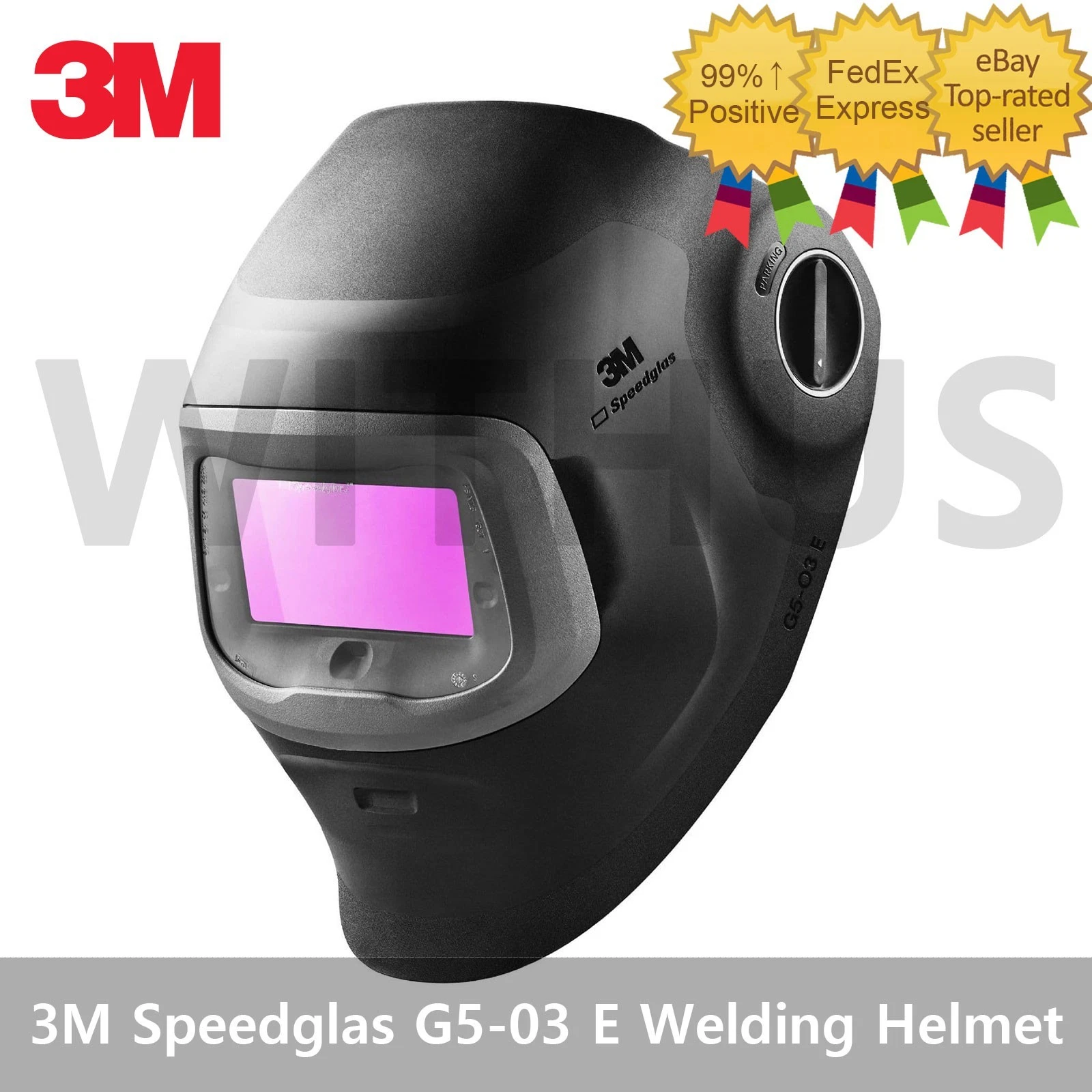
Credit: www.ebay.com
Welding Helmet Safety Standards
Welding helmet safety standards protect welders from serious injuries. These standards set rules for helmet strength and lens quality. Helmets must block harmful rays and resist impact. Knowing these safety ratings helps you pick the right helmet.
Ansi Z87.1 Certification
ANSI Z87.1 is a key safety standard in the United States. It tests helmets for impact resistance and eye protection. Helmets with this certification provide solid defense against flying debris. The standard also covers lens clarity and UV protection. Helmets meeting ANSI Z87.1 keep welders safe during tough jobs.
En 175 And En 379 Ratings
EN 175 and EN 379 are European safety standards for welding helmets. EN 175 focuses on mechanical strength and durability. It ensures helmets can handle sparks and heat without breaking. EN 379 rates the auto-darkening filter lenses for light adjustment speed and clarity. Helmets certified with these ratings offer reliable protection in many conditions.
Csa Safety Standards
The Canadian Standards Association (CSA) sets safety rules for welding helmets in Canada. CSA standards test helmets for impact resistance and radiation protection. They also check lens shade levels to protect eyes from bright welding arcs. CSA-approved helmets meet strict safety and comfort requirements. Choosing a CSA-rated helmet ensures strong protection on the job.
Types Of Welding Helmets
Welding helmets come in several types, each designed to protect your eyes and face during welding tasks. Choosing the right helmet is important for safety and comfort. Understanding the differences helps you pick the best fit for your needs.
Passive Helmets
Passive helmets have a fixed dark lens. The lens usually has a shade number of 10. These helmets require you to flip the visor down before welding. They are simple, durable, and often less expensive. However, you must wait for your eyes to adjust to the brightness.
Auto-darkening Helmets
Auto-darkening helmets have lenses that change from light to dark automatically. Sensors detect the welding arc and darken the lens within milliseconds. This feature allows you to keep the helmet down at all times. It improves productivity and reduces eye strain. Many models offer adjustable shade levels for different welding processes.
Hybrid Models
Hybrid helmets combine features of passive and auto-darkening helmets. They work like auto-darkening helmets but can also be used as passive helmets if needed. This flexibility suits welders who switch between tasks. Hybrid models often have a manual override to control lens shade. They provide good protection and versatility in one helmet.
Key Safety Features
Welding helmets must have essential safety features to protect welders. These features reduce risks from bright light, sparks, and flying debris. Understanding the key safety elements helps choose the right helmet for safe welding.
Each safety aspect plays a vital role in protecting your eyes and face during welding tasks. Quality helmets meet strict standards to ensure maximum protection.
Lens Shade Levels
Lens shade levels control how much light passes through the helmet. Different welding types require specific shade levels to protect your eyes. A proper shade prevents eye strain and damage from intense brightness. Auto-darkening helmets adjust shade levels automatically. This feature improves comfort and safety by adapting to light changes.
Impact Resistance
Impact resistance protects your face from flying sparks and debris. Helmets with high impact ratings use strong materials like polycarbonate or fiberglass. This feature reduces injury risk from sudden hits or falls. Always check the helmet’s impact rating before buying. A durable helmet ensures better safety on the job.
Uv And Ir Protection
UV and IR protection shields your eyes from harmful ultraviolet and infrared rays. These rays can cause severe eye damage over time. High-quality helmets block 100% of UV and IR radiation. This protection stays effective even when the lens is not darkened. Reliable UV and IR filters keep your vision safe during welding.
Optical Clarity Ratings
Optical clarity ratings are critical for welding helmets. They measure how clearly you see through the helmet’s lens. Clear vision helps you weld precisely and safely. Poor optical quality can cause eye strain or errors in your work.
Visual Acuity Grades
Visual acuity grades show how sharp the view is through the helmet. These grades range from 1 to 3, with 1 being the best. Grade 1 lenses offer the clearest image, making details easy to see. A high visual acuity grade helps welders work longer without fatigue.
Lens Distortion Limits
Lens distortion limits measure how much the lens bends or warps the image. Less distortion means more accurate vision. Welding helmets with low distortion ratings keep lines and shapes true. This accuracy is vital for precise welding and safety.
Light Transmission Quality
Light transmission quality shows how well the lens lets light pass without glare or haze. Good transmission lets you see the weld pool clearly. It reduces eye strain and improves comfort. Quality lenses balance protection with clear visibility.
Auto-darkening Filter Performance
The auto-darkening filter (ADF) in a welding helmet plays a key role in protecting your eyes. It changes the lens shade automatically when the arc strikes. This feature lets welders work safely without lifting the helmet each time. The filter’s performance depends on several factors. These include switching speed, sensitivity adjustment, and delay controls.
Switching Speed
Switching speed refers to how fast the lens darkens after sensing the welding arc. Faster switching speeds mean better eye protection. A delay in darkening can cause eye strain or damage. Good helmets switch shades in less than 1/25,000 of a second. This quick response helps welders see clearly and stay safe.
Sensitivity Adjustment
Sensitivity adjustment controls how easily the filter reacts to the welding arc. It lets welders adjust the helmet for different light conditions. Higher sensitivity detects low-light welding, while lower sensitivity blocks out bright light. Proper sensitivity settings prevent false darkening or delayed response. This adjustment improves comfort and safety during work.
Delay Controls
Delay controls determine how long the lens stays dark after welding stops. A short delay suits tack welding or quick bursts. Longer delays protect eyes from lingering bright light. Adjustable delay lets welders customize their helmets for various tasks. This feature reduces eye fatigue and improves overall safety.

Credit: www.lasersafetycertification.com
Helmet Fit And Comfort
Welding helmets protect your face and eyes from sparks, UV rays, and intense light. A helmet that fits well feels comfortable during long welding sessions. Comfort helps you focus on your work without distractions. Poor fit causes discomfort and can lead to unsafe practices. Consider key features that affect fit and comfort before buying a helmet.
Adjustable Headgear
Adjustable headgear lets you customize the fit to your head size. It prevents the helmet from slipping or feeling too tight. Many helmets offer ratchet systems for easy adjustments. Proper adjustment reduces pressure points on your forehead and temples. This ensures steady positioning while welding. A secure fit also improves safety by keeping the helmet in place.
Weight Considerations
Lightweight helmets reduce neck strain and fatigue. Heavy helmets can cause discomfort during extended use. Balance the helmet’s weight with protective features. Choose a helmet that feels light but still offers strong protection. A lighter helmet allows you to work longer without pain. Weight affects comfort, especially for beginners or those welding for hours.
Ventilation And Padding
Ventilation prevents heat buildup inside the helmet. Good airflow keeps your face cool and dry. Some helmets include vents or fans to improve comfort. Padding cushions your head and absorbs sweat. Soft, breathable padding reduces irritation and skin pressure. Check for removable padding that can be cleaned or replaced. Proper ventilation and padding enhance comfort and hygiene.
Top-rated Welding Helmets
Choosing the right welding helmet is vital for safety and comfort. Top-rated welding helmets offer strong protection against sparks, heat, and harmful light. They also improve visibility during welding tasks. Here, we break down the best helmets based on safety ratings and features. This guide helps you find helmets that suit different needs and budgets.
Best Overall Safety
The best helmets provide excellent eye protection and clear vision. They come with high-quality auto-darkening filters that adjust quickly to changing light. These helmets meet strict safety standards and cover a wide range of welding shades. They often include extra features like adjustable sensitivity and delay settings. Such helmets ensure both safety and comfort for long hours.
Professional Grade Helmets
Professional welders require helmets with top performance and durability. These helmets offer advanced lens technology and wide viewing areas. They have strong materials that withstand tough work environments. Professionals benefit from helmets with faster reaction times and better clarity. These models often come with certifications proving their safety and quality.
Budget-friendly Options
Affordable helmets can still offer good safety for hobbyists and beginners. These helmets provide basic auto-darkening features and solid protection. They may have fewer adjustments but meet essential safety ratings. Budget helmets are lightweight and easy to use. They allow safe welding without a large upfront cost.

Credit: www.amazon.com
Common Safety Mistakes
Welding helmets protect your eyes and face from sparks, heat, and harmful light. Many welders make safety mistakes that put them at risk. Knowing these common errors can help you stay safe and avoid injury.
Ignoring Lens Ratings
Every welding helmet lens has a safety rating. This rating shows how much light it blocks. Using a lens with the wrong rating can harm your eyes. Too light a lens lets in harmful rays. Too dark a lens makes it hard to see your work. Always check the lens rating before welding.
Using Damaged Helmets
Cracks, scratches, or broken parts reduce helmet protection. Damaged helmets may not block sparks or UV rays properly. Using a helmet with broken parts is dangerous. Inspect your helmet before each use. Replace or repair any damage right away.
Neglecting Eye Protection
Welding helmets protect your eyes from bright light and sparks. But some welders forget to wear safety glasses underneath. Glasses add an extra layer of protection. They shield your eyes from debris and small particles. Always wear safety glasses with your welding helmet.
Maintaining Helmet Safety
Maintaining your welding helmet’s safety is essential for lasting protection. Proper care ensures the helmet works correctly every time you weld. Small steps can prevent damage and keep your vision clear.
Regular Inspection Tips
Check your helmet before each use. Look for cracks or damage on the shell. Inspect the headgear for loose or broken parts. Make sure the auto-darkening filter reacts quickly. Replace any worn or damaged pieces immediately to stay safe.
Replacing Filters And Lenses
Filters and lenses wear out over time. Replace scratched or cloudy lenses to keep visibility clear. Follow the manufacturer’s instructions for filter replacement. Using the correct lens shade protects your eyes from harmful rays. Keep spare lenses handy for quick changes.
Cleaning And Storage
Keep your helmet clean to avoid dirt buildup. Use a soft cloth and mild soap to wipe the lens and shell. Avoid harsh chemicals that can damage materials. Store the helmet in a dry, cool place away from sunlight. Proper storage helps prevent cracks and extends helmet life.
Welding Helmet Safety In Austin, Texas
Welding helmet safety is critical for welders in Austin, Texas. The helmets protect eyes and face from sparks, heat, and harmful rays. Choosing the right helmet with proper safety ratings ensures better protection. Austin welders must follow local rules and buy certified helmets for safe work.
Local Regulations And Codes
Austin follows state and federal safety rules for welding helmets. OSHA standards require helmets to meet specific impact and light-filtering criteria. Texas also adopts ANSI Z87.1 standards for eye and face protection. These rules make sure helmets block harmful UV and infrared rays. Welders must use helmets that comply with these safety codes.
Where To Buy Certified Helmets
Certified welding helmets are available at local safety stores and online shops serving Austin. Choose helmets labeled with ANSI Z87.1 certification. Trusted brands offer helmets with auto-darkening filters and proper shade levels. Buying from reputable sources ensures the helmets meet safety standards. Avoid cheap helmets without certification to protect your eyes well.
Professional Welding Safety Resources
Austin welders can access safety guides from organizations like OSHA and the American Welding Society. These resources explain helmet ratings, proper use, and maintenance. Local welding schools and unions provide training on helmet safety. Following expert advice reduces risks and improves work safety. Stay informed about updates in helmet safety rules.
Conclusion
Choosing a welding helmet with a strong safety rating protects your eyes and face. Always check the helmet’s certification before buying. Good ratings mean the helmet blocks harmful rays effectively. Auto-darkening features add convenience and increase safety. Wearing a well-rated helmet reduces risks during welding work.
Stay safe by using helmets that meet industry standards. Remember, proper protection helps you weld confidently and securely.
Hi, I’m Zachary Ford. I’m passionate about welding and dedicated to helping both beginners and experienced welders make informed decisions. I research, test, and write about welding helmets, welding machines, safety equipment, and essential workshop tools. My goal is to provide honest reviews, practical buying guides, and easy-to-follow tutorials that help you weld more safely, work more efficiently, and choose the right gear with confidence.