
MIG welding is all about control and precision. Getting the best wire speed for MIG welding makes a big difference in the quality of your welds. Too fast, and you end up with spatter and a messy bead. Too slow, and the weld can be weak or inconsistent.
Finding that sweet spot means smoother, stronger welds every time. Factors like metal thickness, type of wire, and voltage settings all play a part. Understanding how wire speed affects your work helps you avoid common mistakes and get better results, whether you’re a beginner or have years of experience under your belt.
Arccaptain Mig Wire For Confident Welds
If you are searching for the Best Wire Speed for Mig Welding, this wire suits hobbyists and professionals needing reliable welds.

This is a spool of solid core MIG welding wire designed for stable feeding and consistent welds. It reduces spatter and helps achieve clean results, making it easier to focus on the Best Wire Speed for Mig Welding. The TÜV certification is a meaningful feature, giving confidence in material quality.
Using this wire, you feel more control and less frustration over the weld bead. Cleanup is minimal, and setting up is straightforward. I noticed smooth arc starts, which saves time and keeps work simple.
How It Handles Daily Welding Tasks
- Feeds smoothly through most MIG setups
- Minimizes spatter, so cleanup is easier
- Arc remains stable for consistent penetration
- Works well with popular welders
- Minimal impurities thanks to efficient deoxidizers
- Weld bead looks neat and uniform
- Good for both beginners and experienced welders
Why I’d Suggest This Wire For Steady Projects
This wire is well suited for anyone welding mild steel, especially if you value smooth feeding and a stable arc. If you often adjust wire speed and want predictable results, it fits those needs. Beginners will find setup less intimidating, while experienced welders appreciate consistency.
Skip it if you require flux-cored wire or plan to weld outside without shielding gas; this is strictly for gas-shielded MIG work. Those frustrated by wire jams will be reassured by its feedability, but always check your liner for wear.
Adjust your wire speed to match your material thickness—start slow and increase as needed.
It’s reliable for garage projects and shop work. If your priority is clean welds and easy handling, this wire won’t disappoint.
Arccaptain .030 Flux Core Wire Spool
For those seeking the Best Wire Speed for Mig Welding in outdoor or DIY settings, this spool suits beginners and hobbyists working with mild steel.

This is a 2-pound spool of ARCCAPTAIN flux core. 030″ welding wire for MIG machines. It’s made for gasless welding, which means you don’t need to set up shielding gas—just load and weld. The vacuum packing keeps the wire dry and ready, a practical touch if you store supplies for a while.
Real use feels straightforward. The wire feeds smoothly, and there is less splatter to clean up. Welding on rusty or painted metal goes without much fuss, which saves time for repairs or outdoor jobs. I noticed the arc stays stable, so you can focus more on your technique than on troubleshooting.
Everyday Use: What To Expect
- Simple to install and start welding right away
- No need to adjust for shielding gas
- Works reliably on dirty or rusty surfaces
- Low splatter keeps the workspace cleaner
- Spool lasts well for small project batches
- Professional packaging resists moisture
Who Might Appreciate This Spool Most
If you’re new to MIG welding or do repairs outside, this wire is a good fit. It’s also suitable for hobbyists who want dependable results without a lot of setup.
Those who only weld clean, fresh steel indoors with high-end shielding gas might find the wire’s gasless formula unnecessary. If you expect a perfect finish with zero cleanup, the occasional slag may be a bother.
- Best for: Quick repairs, outdoor work, small shops
- Not ideal for: Industrial, high-volume runs
Good Choice For Simple, Flexible Jobs
This wire works well for those who need reliable, everyday welding without the hassle of tanks or frequent adjustments. If you mostly repair fences, equipment, or do hobby projects, it will meet your needs. Those who want ultra-precise, cosmetic welds for showpieces or who only work indoors might not appreciate the occasional flux residue.
For best results, keep your welder’s rollers clean and experiment with your wire speed settings—start slow, then increase as you find the arc that feels right. The spool’s vacuum packing means you can keep a backup on the shelf and trust it will still perform when you need it.
Pgn Solid Mig Wire Review
For those seeking the Best Wire Speed for Mig Welding, this spool is ideal for professionals and hobbyists working with mild steel.
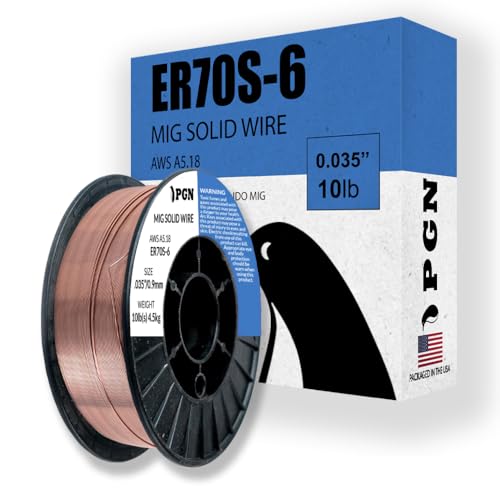
This is a solid MIG welding wire designed for mild steel. It addresses common issues like splatter, making welding smoother and cleaner. The high level of deoxidizers is a key feature that helps create neat welds and reduces cleanup.
In practice, the wire feeds consistently and keeps the arc stable. It feels reliable for both single and multi-pass jobs. I found setup quick, and the spool stays tangle-free, which saves time and reduces frustration.
Everyday Use: Mig Wire Confidence
- Wire feeds smoothly with minimal interruptions.
- Splatter is low, keeping the workspace cleaner.
- Easy to adjust wire speed for different welds.
- Works well for T-joints, lap, and butt welds.
- Spool packaging prevents tangles and jams.
- Arc control feels steady, even for longer runs.
- Setup is quick for beginners and experienced welders.
Worth Considering For Workshop Efficiency
This wire is best for anyone working regularly with mild steel and looking for consistent results. If you value clean welds and a spool that won’t waste your time with tangles, it’s a solid choice. The. 035” diameter fits many MIG setups and is easy to dial in for the Best Wire Speed for Mig Welding.
However, those needing a wire for specialty metals or ultra-fine precision might want to skip it. The copper color and mild steel focus limit its versatility outside standard welding tasks. If you’re welding aluminum or stainless often, a different wire will serve better.
Tip: Adjust your wire speed based on material thickness and always check for spool tension before starting. For routine mild steel jobs, this wire offers steady performance and reduces hassle. You can trust it to keep your workflow smooth without surprises.
Pgn Mild Steel Mig Wire Spool
The Best Wire Speed for Mig Welding matters most to DIY welders and professionals seeking smooth, reliable results with mild steel.

This is a solid MIG welding wire designed for mild steel and general shop work. Its. 023-inch diameter helps you maintain consistent arcs and keep splatter to a minimum. The high levels of silicon and manganese deoxidizers make it easier to get clean, visually appealing welds.
In use, the wire feeds smoothly and doesn’t tangle, which lowers frustration and downtime. You can set your wire speed and expect predictable behavior, even on longer welds. Adjustments are straightforward, and the 10-pound spool lasts through many projects without frequent changes.
What Daily Welding Feels Like
- Wire feeds without jams or tangles.
- Splatter is minimal so cleanup is faster.
- Beads look neat, even for beginners.
- Works well for T-joints and lap welds.
- Spool size means fewer interruptions.
- Wire diameter keeps heat input manageable.
Consider This Before Buying
If you mainly weld thin mild steel or need clean results on small parts, this wire works well. It suits hobbyists, auto body techs, and anyone who values easy setup with less mess.
If you need heavy-duty performance for thick steel or outdoor welding, the. 023″ size may feel limiting and require extra passes. It is not for flux-core use or machines that only support larger wire.
- Best for indoor, shielded MIG welding
- Not intended for heavy structural work
- May require fine-tuning wire speed for best results
Why Consistency Matters
For anyone setting up a MIG welder in a home garage or small shop, this wire gives predictable performance. You won’t need to fight with bird-nesting or sudden feed issues, which keeps focus on the weld, not the spool.
If you’re looking for a heavy-duty, all-weather solution, this isn’t the answer. But for routine, mild steel work, it brings peace of mind and less post-weld cleanup. Start with a moderate wire speed and tweak upward for longer beads—results stay stable.
Trust that the packaging protects the wire’s shape, so jams are rare right out of the box.
Arccaptain Mig Wire For Steady Welds
For those seeking the Best Wire Speed for Mig Welding, this wire suits both hobbyists and professionals who want reliable, low-spatter welding with ease.

This is a 10lb spool of ER70S-6 Mig welding wire in 0. 035″ diameter. It tackles the issue of inconsistent feeding and messy weld beads. The TÜV certification means the wire keeps impurities low, which matters if clean welds are your goal.
In use, the wire feeds smoothly and the arc stays stable. You spend less time cleaning up spatter and more time actually welding. I found that adjusting wire speed was straightforward, and the bead looked consistent with minimal fuss.
Daily Confidence When Welding
- Wire feeds without hiccups or jams.
- Arc stays steady, making control easier.
- Clean weld beads reduce post-weld cleanup.
- Minimal spatter for a tidy work area.
- Compatible with common welders like Lincoln and Miller.
- Easy to dial in Best Wire Speed for Mig Welding.
Who Might Appreciate This Spool
If you often weld mild steel and dislike messy results, this wire fits. New welders will find it forgiving, and experienced users can rely on its consistency. It’s a good match for anyone tired of spending too much time cleaning after welding.
Skip it if you need a wire for thick, specialized metals or have a welder that demands a different diameter. Some users may find the 10lb spool bulky if they have limited storage.
For best results, set your wire speed between 250–350 inches per minute for standard steel projects. Don’t worry about compatibility—this wire works well with most standard Mig machines. Adjust speed slowly and watch the bead form; this wire gives you enough margin to find your ideal setting without fuss.
Pgn Mild Steel Mig Wire Spool
For anyone searching the Best Wire Speed for Mig Welding, this wire is designed for welders who need reliable performance on mild steel projects.
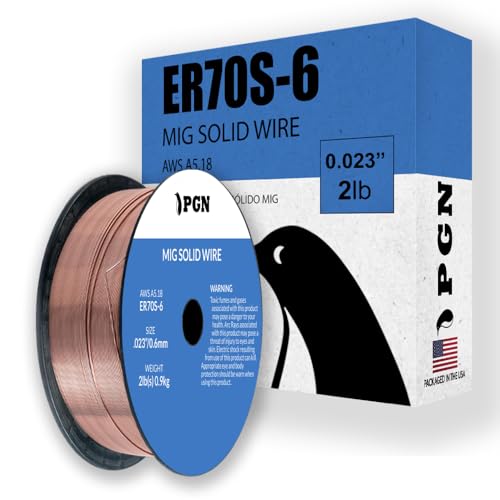
This is a. 023 inch solid MIG welding wire spool made for mild steel. It helps reduce splatter and gives consistent results, especially when you need clean beads for visible joints. The deoxidizers in the wire make a real difference if you want to avoid rework due to porosity.
In practice, this wire feeds smoothly and lets you focus on your welds, not on fixing wire jams. The compact 2-pound spool is easy to handle, so you can set it up quickly and spend more time welding. Even if you’re not a pro, you’ll notice how much cleaner and easier your work feels.
What To Expect In Daily Use
- Wire feeds with minimal tangling or stops
- Low splatter helps keep your workspace clean
- Easy to control arc for small and medium jobs
- Works well on T-joints and butt welds
- Setup is quick, even for beginners
- Small spool size keeps storage simple
If You Want A Smooth Start
This wire is a solid pick for DIY welders, hobbyists, or anyone handling regular mild steel repairs. It’s easy to use and doesn’t demand a lot of setup time or experience. If you want to dial in the Best Wire Speed for Mig Welding without fuss, this is a safe choice.
If you need to weld thicker materials often or run long production jobs, the 2-pound spool may require frequent changes. For those only working with flux-core or without gas, this isn’t the right match. Try a test weld on scrap to set your wire speed, and don’t worry—this wire stays stable and predictable as you go.
Finding The Right Mig Wire For Your Project
Choosing welding wire can feel overwhelming. Start by matching wire diameter to your project thickness. Solid core wires work well for clean, indoor jobs, while flux core handles rust and outdoor conditions. Consider spool size for your welding frequency. For beginners, stick with common sizes like.
023” or. 030”. Don’t forget to check compatibility with your welder. Most people miss how wire speed settings can affect weld quality—adjusting speed is as important as picking wire type.
The 30-second Checklist For Mig Wire Selection
- Does your welder support the wire diameter?
- Are you welding indoors or outdoors?
- Will you need gas or prefer gasless operation?
- Is your material clean or rusty?
- Will you use single or multi-pass welding?
- Do you have enough spool capacity for longer jobs?
Common Regrets And How To Avoid Them
Regret #1: Choosing the wrong wire diameter. If your wire is too thick or thin for your material, welds can fail or look messy. Double-check your project thickness and match it to wire size.
Regret #2: Ignoring spool weight. Heavy spools may not fit smaller welders, or might be overkill for light projects. Pick a spool size that fits your welder and your workload.
Regret #3: Overlooking wire type. Using solid wire without gas on rusty metal leads to weak welds. For outdoor or dirty jobs, flux core is often a safer bet.
Quick Table: Best Wire Speed For Mig Welding – Matching Wire And Setup
| If you want… | Look for this | Avoid this |
|---|---|---|
| Clean, smooth welds on thin metal | .023” wire, solid core, moderate wire speed | Flux core on clean sheet, high speed |
| Strong welds on rusty or outdoor material | .030” flux core, slower wire speed | Solid wire without gas, fast speed |
| Quick setup for small jobs | 2lb spool, wire that matches your welder | Heavy 10lb spool, oversized wire |
| Minimal splatter | High deoxidizer solid wire, correct wire speed | Incorrect speed, low-quality flux core |
| All-position welding | ER70S-6 wire, adjust speed for vertical/horizontal | Single-position wire, fixed high speed |
Real-life Tips For Setting Up Mig Wire
- Always match wire diameter to your welder’s drive rollers.
- Adjust wire speed until the arc sounds steady—not too fast or slow.
- For flux core, keep the tip clean and check for buildup.
- Store spools in a dry place to prevent rust.
- Practice on scrap to dial in speed before starting your real weld.
Faqs: Best Wire Speed For Mig Welding – What Buyers Ask Most
Can I Use Any Wire Diameter With My Mig Welder?
No, your welder must support the wire size. Check your manual for compatible diameters.
How Do I Set The Correct Wire Speed?
Start with manufacturer recommendations. Adjust speed so the arc is stable and the weld bead looks smooth.
Is Flux Core Wire Better For Outdoor Welding?
Yes, it works well without shielding gas and handles rust or dirt. Solid wire needs clean material and gas.
Will A Bigger Spool Last Longer?
Yes, but make sure it fits your welder. Smaller spools are easier for quick jobs and storage.
Can I Mix Wire Types In One Project?
It’s best to stick with one type per weld. Mixing can change weld quality and appearance.
Does Wire Speed Affect Weld Strength?
Yes, too fast or slow can weaken the weld. Proper speed gives better penetration and bead appearance.
How Should I Maintain My Mig Wire?
Keep it dry and away from dust. Clean the wire feed regularly to prevent jams.
Wrapping Up: Calm Choices For Best Wire Speed For Mig Welding
Choosing MIG wire and speed is simpler when you focus on your material and project needs. Use the checklist and table to narrow options quickly. Adjust wire speed as you weld—small changes can make big differences.
If you’re stuck between two wire types, pick the one that matches your material and welding environment. Let your project thickness and welder compatibility guide your final choice.

Hi, I’m Zachary Ford. I’m passionate about welding and dedicated to helping both beginners and experienced welders make informed decisions. I research, test, and write about welding helmets, welding machines, safety equipment, and essential workshop tools. My goal is to provide honest reviews, practical buying guides, and easy-to-follow tutorials that help you weld more safely, work more efficiently, and choose the right gear with confidence.