
Welding is an essential skill in industries such as construction, automotive repair, and manufacturing. However, it’s also one of the most dangerous trades if proper safety equipment isn’t used. One common question, especially for those new to welding is- Do welding helmets protect from UV (ultraviolet) radiation? This article explores how welding helmets work, the level of UV protection they offer, and what welders need to know to stay safe.
Why Uv Protection Is Critical In Welding
When metals are joined together using welding, the process creates a bright arc that emits intense ultraviolet (UV) light. This UV radiation is far stronger than what you get from sunlight. Brief, unprotected exposure can cause “arc eye” (a painful burning of the eye’s surface), and repeated exposure increases the risk of cataracts and skin cancer. Even a few seconds of looking at a welding arc without proper protection can cause damage.
Many beginners wrongly believe that only the visible light is a problem. In reality, invisible UV rays do most of the long-term harm. That’s why proper UV protection is not just a recommendation—it’s a must.
How Welding Helmets Work
A welding helmet is more than just a shield for your face. It’s carefully designed with several components to protect against the intense light, heat, and flying debris produced during welding.
Key Components
- Helmet Shell: Made from heat-resistant materials, it covers the head, face, and neck.
- Viewing Lens: This is the most critical part for UV protection. It blocks harmful rays while letting you see your work.
- Auto-Darkening Filter (ADF): In modern helmets, this filter adjusts its darkness automatically when it detects the welding arc.
- Headgear: Adjustable straps ensure a snug, comfortable fit.
The lens is where most of the UV-blocking magic happens, but the helmet also protects from sparks and flying metal fragments.

Credit: en.wikipedia.org
Do All Welding Helmets Protect From Uv?
The short answer is yes, if they meet safety standards. Every proper welding helmet, whether it’s a traditional fixed-shade model or a high-tech auto-darkening helmet, is designed to block at least 99.9% of harmful UV rays. But not all helmets are created equal. Cheap, non-certified products might not provide full protection.
International Safety Standards
To make sure you’re safe, always check that your helmet meets recognized standards such as:
- ANSI Z87.1 (United States)
- EN 175 / EN 379 (Europe)
Helmets certified to these standards go through strict tests for UV and infrared protection. Never use a helmet that doesn’t clearly mention its compliance with a recognized safety standard.
Data: Uv Protection By Helmet Type
Here’s a comparison of UV protection in different helmet types:
| Helmet Type | UV Protection | Certifications |
|---|---|---|
| Passive (Fixed Shade) | 99.9%+ | ANSI Z87.1, EN 175 |
| Auto-Darkening (Standard) | 99.9%+ | ANSI Z87.1, EN 379 |
| Low-Quality/Non-Certified | Unknown/Unreliable | None |
Both passive and auto-darkening helmets, when certified, provide the same high level of UV protection.
Understanding Auto-darkening Helmets And Uv Safety
Auto-darkening helmets have become very popular because they allow welders to see clearly before and after striking an arc. Some people worry that if the auto-darkening feature fails, their eyes will be exposed to UV rays.
The good news is that even when the auto-darkening filter is off, the lens still blocks UV and infrared light. The basic lens material (usually polycarbonate with special coatings) provides this protection, so you’re never left unprotected, even if the electronics fail.
How Auto-darkening Works
- In the “off” state, the lens is usually a light shade (often shade 3 or 4), which is dark enough to block harmful rays but still lets you see.
- When the arc is struck, sensors trigger the lens to darken instantly to a higher shade (like shade 9–13), making the bright arc comfortable to watch.
Response Time And Reliability
A key quality factor is switching speed—how fast the lens darkens after detecting the arc. Good helmets switch in 1/20,000 of a second or faster. This keeps your eyes comfortable, but again, the UV protection is always present, regardless of the lens darkness.
Uv Protection For Skin: Does The Helmet Cover Enough?
While helmets do a great job protecting your eyes and face, exposed skin is still at risk. UV rays can bounce off nearby surfaces and reach under the helmet or onto your neck. This is why professional welders always wear:
- Flame-resistant jackets or long sleeves
- Welding gloves
- A welding cap under the helmet to cover the head and neck
It’s a common mistake for beginners to wear short sleeves or leave their collar open, leading to painful “welding sunburns.” Remember, the helmet alone is not enough for full UV protection; clothing matters too.
Choosing A Welding Helmet For Maximum Uv Protection
If you want to be sure your helmet protects you from UV, focus on these points:
- Check Certification: Look for ANSI Z87.1 or EN 175/379 markings. Don’t trust a helmet without clear certification.
- Lens Quality: High-quality polycarbonate or glass lenses with UV-blocking coatings are best.
- Fit and Coverage: The helmet should fully cover your face, including sides and throat.
- Helmet Condition: Old, scratched, or damaged lenses can reduce protection. Replace them as needed.
- Auto-Darkening Features: Ensure sensors work well and the lens switches quickly.
Here’s a quick comparison of what matters most:
| Feature | Why It Matters | What to Look For |
|---|---|---|
| Certification | Guarantees UV protection | ANSI Z87.1, EN 175/379 markings |
| Lens Material | Blocks UV and IR rays | Polycarbonate with UV filter |
| Coverage | Prevents indirect exposure | Full face and side shield |
| Condition | Maintains clarity and safety | Scratch-free, clean lens |
Two common mistakes to avoid:
- Using sunglasses instead of a helmet: Regular sunglasses do not block welding UV rays.
- Buying the cheapest helmet available: Non-certified helmets may look safe but offer little or no real UV protection.
How Shade Numbers Affect Uv Protection
Welding helmets come with different shade numbers. These indicate how dark the lens becomes, not the level of UV protection. Even the lightest lens that meets safety standards will block nearly all UV rays.
- Shade 3 or 4: Used for light work, torch cutting, or as the “off” setting in auto-darkening helmets.
- Shade 9-13: Common for arc welding, MIG, or TIG welding.
The shade you choose should match the welding process and amperage, but the UV blocking remains constant across all certified shades.
Special Considerations: Infrared And Visible Light
Besides UV, welding also produces infrared (IR) radiation and intense visible light. A proper helmet blocks these too, which prevents burns and discomfort. The same lens technology that stops UV also filters IR, so you don’t need separate protection.
However, visible light (the brightness you see) is what the shade number is for. It’s important to pick a comfortable shade for your welding style, but rest assured, UV safety is built into the lens material itself.

Credit: m.made-in-china.com
Practical Tips For Maximum Uv Safety
Welding is safe if you follow the right steps. Here are some practical tips:
- Always inspect your helmet before use. Check for cracks, deep scratches, or loose parts.
- Store your helmet in a cool, dry place away from direct sunlight.
- Replace worn-out lenses immediately. Even small scratches can create weak spots.
- Use a helmet with a clear, wide viewing area for better comfort and less need to move your head.
- Combine your helmet with flame-resistant clothing, gloves, and a welding cap.
- Never watch someone else weld without proper protection, even for a moment.
Insights Beginners Often Miss
Many new welders believe the lens only blocks UV when it is darkened. In reality, the lens material itself always blocks UV and IR, even in its lightest state. This is why even during grinding or setting up your work, your eyes are safe with the helmet down.
Another overlooked detail is the importance of side and neck coverage. UV rays can bounce off nearby surfaces or other workers, reaching your skin from unexpected angles. Helmets with extended side shields offer better all-around protection.
Finally, don’t underestimate the danger of indirect exposure. You might feel safe if you’re not looking directly at the arc, but reflected UV rays can still damage your eyes and skin. Always wear your helmet properly, and never lift it until the arc is out.

Credit: www.amazon.com
The Bottom Line: Are You Really Protected?
If you use a certified welding helmet in good condition, you are protected from harmful UV rays. This is true for both traditional and auto-darkening helmets. Problems only arise when people use low-quality, uncertified helmets, or skip other protective gear.
Welding is rewarding and safe when you use the right equipment and respect the risks. Protect your eyes, your skin, and your future by investing in a quality helmet and following best practices. If you want to learn more about welding safety standards, the Wikipedia welding helmet article is an excellent resource.
Welding helmets are your primary defense against UV radiation. Choose wisely, care for your gear, and never compromise on safety. That way, you can enjoy a long, healthy career in welding without unnecessary risk.
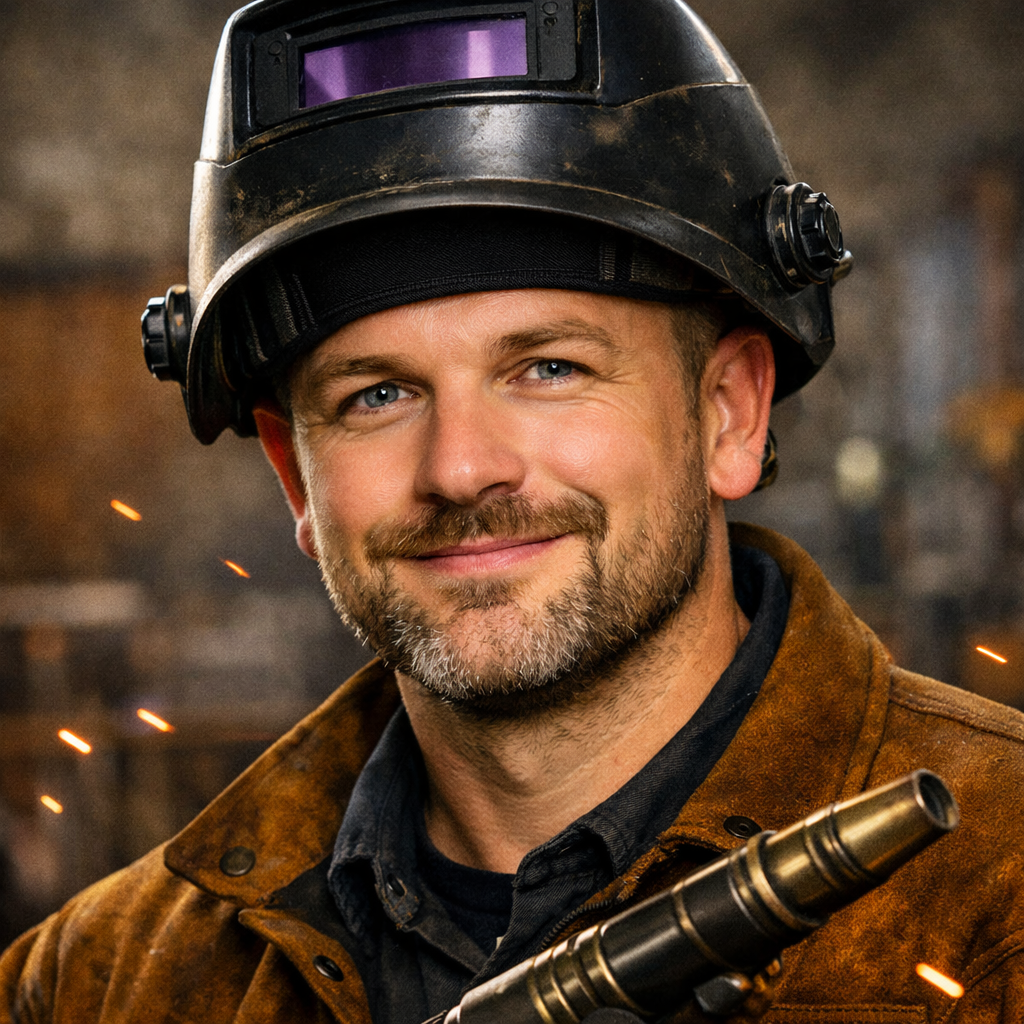
Hi, I’m Zachary Ford. I’m passionate about welding and dedicated to helping both beginners and experienced welders make informed decisions. I research, test, and write about welding helmets, welding machines, safety equipment, and essential workshop tools. My goal is to provide honest reviews, practical buying guides, and easy-to-follow tutorials that help you weld more safely, work more efficiently, and choose the right gear with confidence.