
When you’re working with welding equipment, your safety depends a lot on the right protective gear, especially your welding helmet. But do you know exactly what OSHA welding helmet requirements mean for you?
Whether you’re a seasoned welder or just starting out, understanding these rules can protect your eyes, face, and even your life. You’ll learn what OSHA expects from your welding helmet, why these standards matter, and how to make sure your gear keeps you safe on the job.
Keep reading, your safety could depend on it.
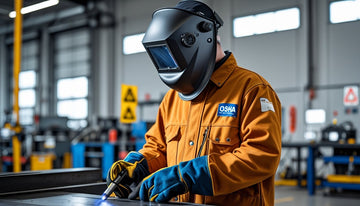
Credit: www.arccaptain.com
Osha Welding Helmet Basics
Welding helmets protect workers from sparks, heat, and harmful light. OSHA sets clear rules to keep these helmets safe and effective. Understanding these basics helps ensure proper protection during welding tasks. Employers and workers must follow these rules to avoid injuries and meet safety standards.
Material Requirements
OSHA requires welding helmets to be made from strong, durable materials. These materials must resist impact and protect the face from flying debris. The helmet shell should cover the entire face and neck areas. This helps prevent burns and cuts during welding operations.
Electrical And Heat Insulation
Helmets must insulate against heat and electricity. OSHA states helmets and hand shields must not conduct electricity. This reduces the risk of electric shock. Heat insulation keeps the worker safe from hot sparks and molten metal splashes.
Flammability Standards
Welding helmets must not catch fire easily. OSHA mandates helmets be made from materials that resist flames. This prevents the helmet from burning or melting near sparks. Flammability standards protect workers from burns and other fire hazards.
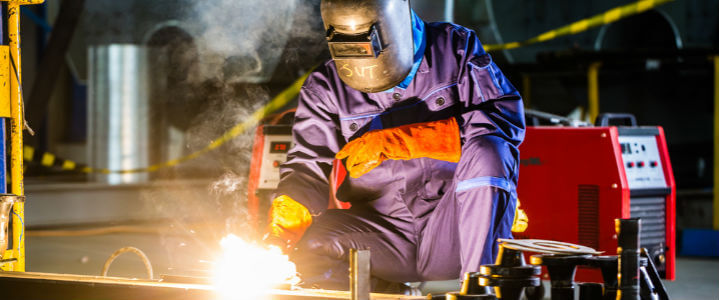
Credit: www.safetybydesigninc.com
Helmet Shade And Lens Protection
Welding helmets protect welders from intense light and harmful radiation. Helmet shade and lens protection are vital for safe welding. OSHA requires helmets to shield eyes from sparks and radiant energy. Proper shade and lens quality reduce injury risks and improve visibility.
Selecting The Right Shade
OSHA sets specific shade numbers for different welding tasks. The shade must be dark enough to block harmful light but clear enough to see the work. Shades usually range from 8 to 13 for arc welding. Using the wrong shade can cause eye strain or injury.
Protecting Against Radiant Energy
Welding produces ultraviolet and infrared radiation. These rays can cause burns and long-term eye damage. Helmets must block this radiant energy fully. Lenses should filter out harmful rays while allowing safe light to pass. This protection keeps welders safe during every job.
Lens Quality And Durability
High-quality lenses resist cracking and scratching. Durable lenses last longer and maintain clear vision. OSHA requires lenses to be heat resistant and non-flammable. A damaged lens can let harmful light through, increasing injury risk. Always inspect helmets for lens damage before use.
Breathing Air Standards For Welding
Welding involves exposure to harmful fumes and gases. Proper breathing air is essential for welder safety. OSHA sets standards to ensure clean, safe air supply during welding. These rules protect welders from respiratory hazards. Understanding these breathing air standards helps maintain a safe work environment.
Grade D Breathing Air Requirements
Grade D breathing air must meet strict quality standards. It should have enough oxygen, usually 19.5% to 23.5%. The air must be free from harmful gases like carbon monoxide. Oil and moisture levels must stay very low. Regular testing of air quality is required to maintain safety. Using Grade D air reduces the risk of health issues.
Air Supply And Helmet Integration
Welding helmets must connect properly to the air supply. The air system should deliver clean air without leaks. Helmets with built-in air supplies protect welders better. The airflow rate must be steady and sufficient. Proper integration prevents breathing contaminated air. Regular checks ensure the helmet and air supply work well together.

Credit: proweldinghelmets.com
Employer Responsibilities
Employers play a crucial role in ensuring the safety of welders. They must meet OSHA welding helmet requirements to protect workers from hazards like sparks, heat, and harmful radiation. The responsibility involves providing proper equipment, ensuring compliance with safety standards, and training employees on correct helmet use.
Provision Of Ppe
Employers must supply welding helmets that meet OSHA safety standards. The helmets should protect from heat, sparks, and electric shock. They must be made of non-flammable and insulating materials. Providing helmets is essential to prevent injuries and maintain a safe workplace.
Compliance With Osha Standards
Employers must follow OSHA regulations on welding safety. This includes using helmets that meet required specifications. Helmets should shield against radiant energy and flying debris. Regular inspections ensure the equipment remains effective and safe for use. Compliance reduces risks and avoids penalties.
Training And Usage Enforcement
Employers must train workers on helmet use and care. Training covers correct fitting, maintenance, and when to replace helmets. Employers must enforce helmet use at all times during welding tasks. This reduces accidents and promotes a culture of safety among employees.
Additional Eye Protection
Welding tasks expose workers to intense light, sparks, and flying debris. A welding helmet alone may not offer full eye protection. OSHA requires additional eye protection to prevent injuries from harmful radiation and particles. Using extra safety gear reduces risks and keeps eyes safe during welding operations.
Safety Glasses With Side Shields
Safety glasses with side shields protect eyes from flying debris. They block particles coming from the side, which a welding helmet might miss. OSHA mandates using these glasses under the helmet for added safety. These glasses must meet ANSI Z87.1 standards for impact resistance. Workers should choose glasses that fit well and are comfortable.
Goggles And Face Shields
Goggles offer a tight seal around the eyes, preventing dust and sparks from entering. They provide better protection than glasses alone in dusty or smoky environments. Face shields can protect the entire face from heat and splatter. OSHA requires face shields to be worn with helmets in high-risk jobs. Both goggles and shields must be made from heat-resistant materials.
Welding Helmet Compliance And Certification
Welding helmet compliance and certification ensure worker safety during welding tasks. OSHA sets clear standards that welding helmets must meet. These standards protect welders from heat, sparks, and harmful radiation. Using compliant helmets reduces injury risks significantly. Employers and workers must understand these requirements to maintain a safe work environment.
Osha Approval Criteria
OSHA requires welding helmets to be heat and electrical insulators. Helmets must resist flames and sparks during welding. The lens shade must filter harmful light to protect the eyes. Helmets should meet ANSI Z87.1 standards for impact and optical quality. Employers must provide helmets that comply with these regulations. Non-compliant helmets can result in safety violations and fines.
How To Verify Helmet Compliance
Check for ANSI certification labels on the helmet. Look for markings that show compliance with OSHA and ANSI standards. Purchase helmets from reputable manufacturers or distributors. Review product specifications carefully before buying. Training workers on proper helmet use and inspection is essential. Regularly inspect helmets for damage or wear that affects safety. Replace helmets that no longer meet compliance standards.
Common Mistakes And Misconceptions
Understanding OSHA welding helmet requirements is crucial for safety. Many welders make mistakes or believe wrong ideas about helmets. These errors can put eyes and face at risk. Knowing common mistakes helps avoid injury and ensures compliance with safety rules.
Using Non-compliant Helmets
Some welders use helmets without OSHA approval. These helmets may not block harmful rays properly. Non-compliant helmets might fail to protect against heat and sparks. Using them increases the chance of burns and eye damage. Always choose helmets that meet OSHA standards.
Improper Shade Selection
Choosing the wrong shade lens is a frequent error. A shade too light allows harmful light to reach the eyes. A shade too dark makes it hard to see the work. OSHA requires specific shade numbers based on welding type. Select the correct shade to protect vision and work safely.
Neglecting Additional Ppe
A helmet alone does not provide full protection. OSHA requires other personal protective equipment (PPE) like gloves and aprons. Ignoring these items can lead to burns and injuries. Always wear complete PPE along with the welding helmet. Safety depends on full coverage, not just the helmet.
Industry-specific Welding Helmet Standards
Welding helmet standards vary depending on the industry. OSHA sets specific rules to protect welders in different work environments. These standards ensure helmets provide the right protection against heat, sparks, and harmful radiation.
Understanding industry-specific welding helmet standards helps employers and workers stay safe. Each industry faces unique hazards that require tailored safety equipment.
General Industry Guidelines
OSHA requires welding helmets to protect against heat and electrical shocks. Helmets must be made from non-flammable, insulating materials. They should shield the eyes from harmful light rays and flying debris. The helmet lens must meet specific shade levels based on the welding process. Workers must always wear helmets that fit properly and do not obstruct vision. Regular helmet inspection and maintenance are essential for lasting protection.
Maritime And Construction Requirements
Welders in maritime and construction industries face extra risks like rough conditions and heavy equipment. OSHA mandates helmets with enhanced durability for these environments. Helmets must withstand impacts, water, and harsh weather. Maritime welders also need corrosion-resistant helmets due to saltwater exposure. Construction welders require helmets that meet ANSI Z87.1 standards for impact and splash protection. Employers must provide helmets that suit the specific hazards of each site.
Conclusion
Wearing the right welding helmet protects your eyes and face from harm. OSHA requires helmets to be heat and electricity resistant. Employers must provide helmets that meet these safety rules. Using proper gear reduces accidents and keeps workers safe. Always choose helmets that follow OSHA’s standards.
Safety comes first in every welding job. Stay protected to work with confidence and avoid injuries.
Hi, I’m Zachary Ford. I’m passionate about welding and dedicated to helping both beginners and experienced welders make informed decisions. I research, test, and write about welding helmets, welding machines, safety equipment, and essential workshop tools. My goal is to provide honest reviews, practical buying guides, and easy-to-follow tutorials that help you weld more safely, work more efficiently, and choose the right gear with confidence.