
A portable welder usually lasts many years, based on a few hours of welding each week and normal care. Run it hard every day, and its life is far shorter. Left longer, boards and capacitors age, duty cycle drops, and repairs start costing more than the machine.
How often a portable welder needs attention
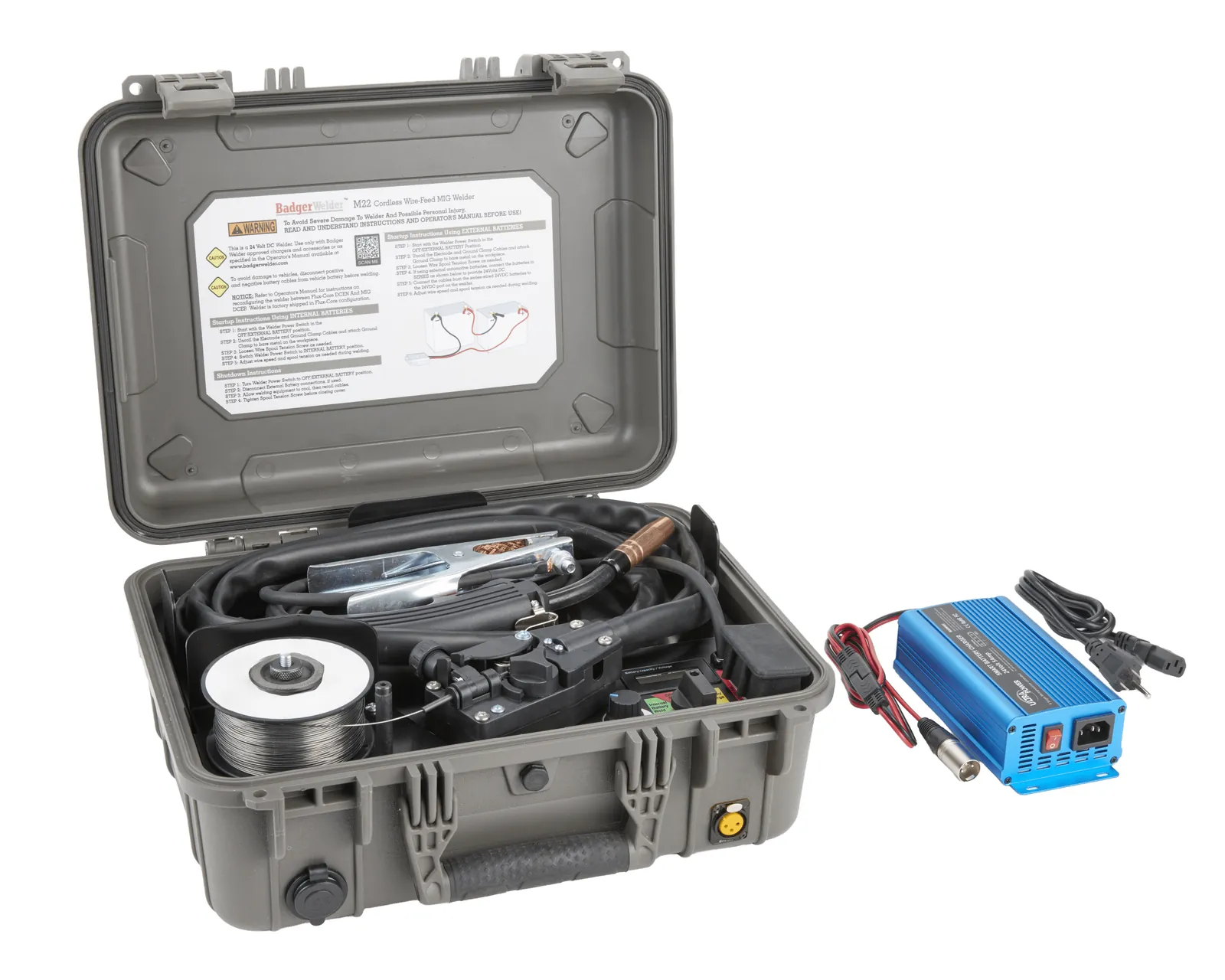
The interval moves with heat and hours, not with the calendar. A machine that runs cool and clean lasts longer than one pushed to its duty cycle limit.
| How you use it | How often | What tells you it’s due |
|---|---|---|
| Daily light production | Every month | Duty cycle trips often |
What happens if you skip maintenance
Dust is the first thing that changes the machine. It builds on the fan, the heatsink and the control board, so heat can’t leave the case. The welder still works, but it hits its duty cycle limit sooner and the thermal cutout trips more often.
After a few months of that, the damage moves to the parts that age with heat. Capacitors dry out, insulation on the leads hardens, and solder joints on the board crack. Output gets less stable, and the arc starts to stutter on thin metal.
Eventually something fails outright — a board, a rectifier or the fan. That’s the point where repair cost and a new machine sit close together. Check your own model’s duty cycle and service notes in its manual before you decide it’s the machine’s fault.
Signs your portable welder is overdue
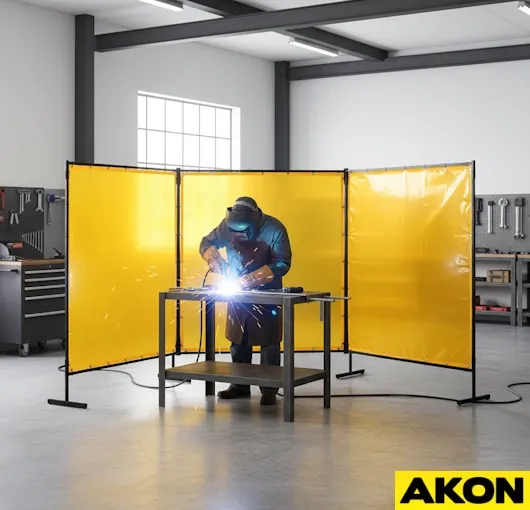
- The case feels hot after short welds. Heat is staying inside instead of leaving through the fan.
- The thermal light trips sooner than it used to. The duty cycle is shrinking, not the job.
- The fan sounds rough or ticks. A worn bearing means less airflow over the board.
- The arc stutters or spatters more. Unstable output often points to aged capacitors.
- Leads and torch fittings feel stiff or cracked. Cracked insulation is a shock risk, not just wear.
- You smell hot varnish or plastic. Stop and let it cool before you use it again.
- The reset trips at the same settings that worked last year. Compare against the duty cycle in your manual.
What each service round asks of you
A basic clean takes 20 to 30 minutes: unplug the machine, take off the case, and blow dust out with dry compressed air at low pressure. Check the fan spins freely and the leads aren’t frayed. That’s it for most home users.
A deeper round adds another 30 to 60 minutes — tightening terminals, checking the torch liner, and testing the ground clamp. It asks for a screwdriver, a soft brush and a dry, ventilated space. You’re trading a small amount of time now for a machine that runs cooler and lasts longer. If you’re not sure what’s safe to open, the manual or the maker’s service page tells you what’s user-serviceable.
How to make a portable welder last longer
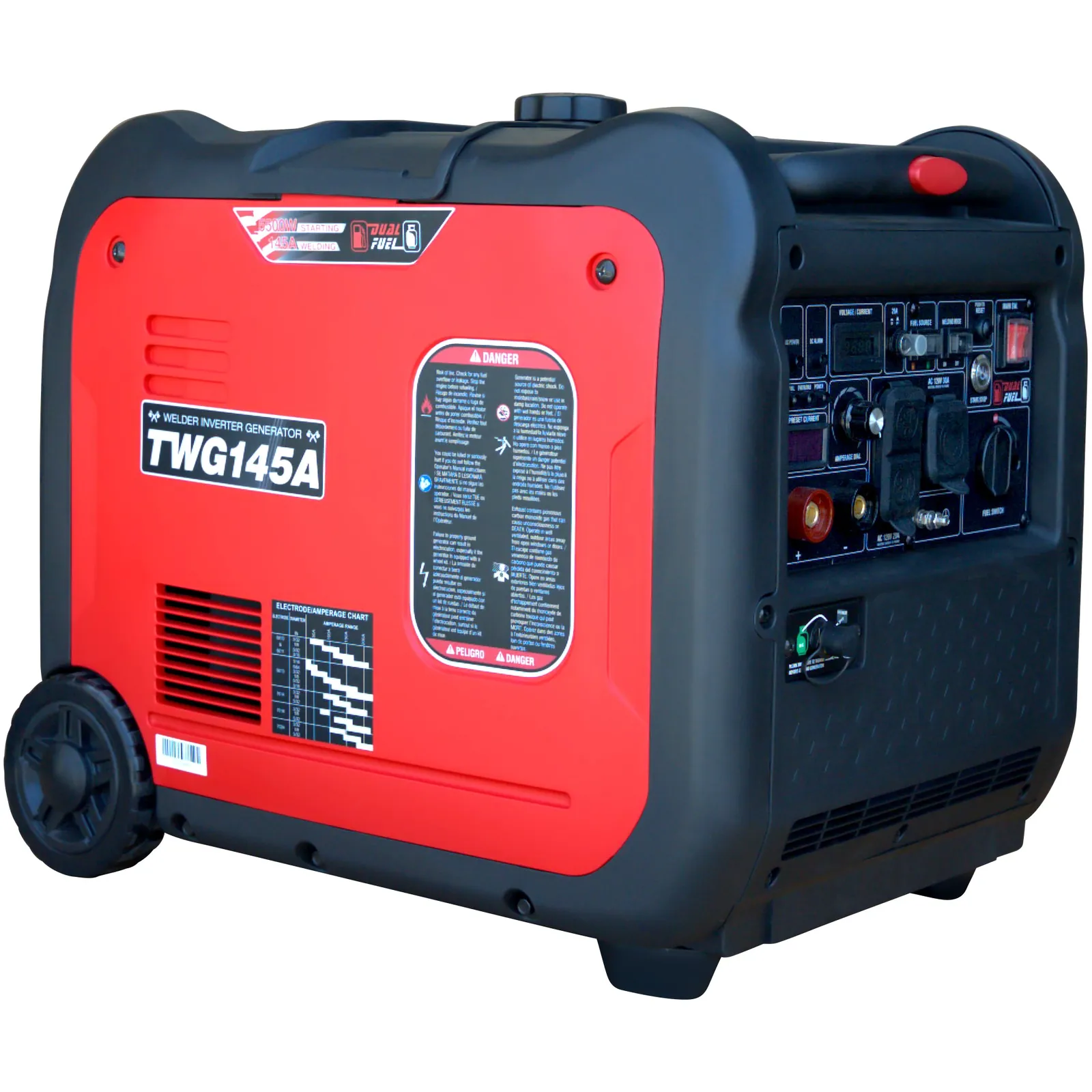
- Keep it under its duty cycle. If the label gives a duty cycle at a set amperage, weld for the working portion of each cycle at that setting, then let it cool. If you’re unsure how to read the label or the machine seems to be overheating, have a qualified technician check it.
- Blow out dust every few months in dirty shops. Dust is the main cause of overheating, so cleaning directly stretches the interval.
- Store it dry and off the floor. Damp air rusts the case and the terminals, which shortens board life.
- Run it on stable power. Long thin extension cords drop voltage and make the machine work harder. Use a proper welding circuit.
- Fix small faults early. A worn liner or loose ground clamp costs little to replace and protects the torch and the board.
Frequently asked questions
How long does a portable welder last?
Most last many years with a few hours of use per week and regular cleaning, while daily heavy use shortens that considerably. Heat and dust decide it more than age.
Can a portable welder last 20 years?
Yes, some do, but only light-use machines kept dry and clean. A welder stored in a damp garage or run near its duty cycle limit most days won’t reach 20 years without a board or fan replacement.
Why does my welder keep cutting out?
It’s usually the thermal cutout doing its job. You’ve hit the duty cycle — the share of each rated period the machine can weld at that setting. Let it cool, lower the amps, and clean the dust out.
How often should I clean inside a portable welder?
Every 3 to 6 months in a dusty shop, and once a year in a clean one. Blow dry air through the case and check the fan spins freely. Skip it and heat builds up fast.
Is it safe to open a welder and clean it?
Only if you unplug it first and wait for the capacitors to discharge — often several minutes. If you’re unsure, don’t open it. Take it to a qualified repair tech instead.
What happens if I never service my welder?
It keeps working at first, then overheats more often, loses arc stability, and eventually fails at the board or fan. By then the repair often costs close to a new machine.
Does it matter what power supply I use?
Yes. A stable circuit at the right voltage keeps the machine cool. Long, thin extension cords cause voltage drop, which makes the welder work harder and run hotter — and heat is what ends its life.
How do I know when to replace instead of repair?
If the repair quote is close to the price of a similar new machine, replace it. For a welder that’s well into old age with a failed board, that’s usually the point to stop.
What to do next
Start with one thing: unplug it, open the case, and blow the dust out. You’ll see a cooler case and fewer thermal trips within a week. If you spot cracked leads, a burnt smell, or a board fault, stop there and take it to a qualified repair tech — that’s not a do-it-yourself job.

Hi, I’m Zachary Ford. I’m passionate about welding and dedicated to helping both beginners and experienced welders make informed decisions. I research, test, and write about welding helmets, welding machines, safety equipment, and essential workshop tools. My goal is to provide honest reviews, practical buying guides, and easy-to-follow tutorials that help you weld more safely, work more efficiently, and choose the right gear with confidence.