
If you’ve ever inspected a car after a repair or restoration, you might wonder how to tell if the auto body panels were properly welded together. Spot welds hold these panels firmly in place, ensuring safety and structural integrity.
But spotting these welds isn’t always easy, especially if you’re not familiar with what to look for. Knowing how to spot weld auto body panels can help you assess the quality of a repair, avoid future problems, and even save money.
You’ll learn simple, clear tips to identify spot welds like a pro, so you can feel confident about your vehicle’s condition or your own repair work. Keep reading to uncover the key signs and techniques that reveal spot welds instantly.

Credit: grassrootsmotorsports.com
Spot Welding Basics
Spot welding is a common technique used in auto body repairs. It joins two metal pieces by applying pressure and electric current. This method creates strong, clean joints without extra material. Understanding the basics helps you spot weld auto body panels correctly. It also helps in identifying spot welds during inspections.
How Spot Welding Works
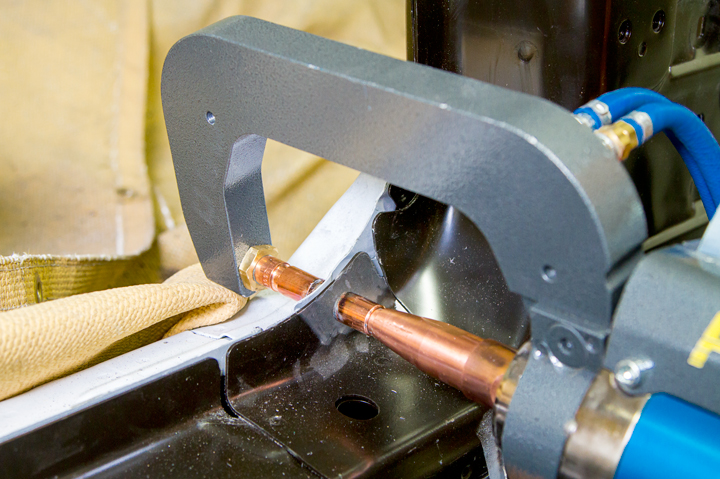
Spot welding uses two copper electrodes. They press the metal sheets together tightly. Then, an electric current passes through the metals. The current heats the metal at the contact point. This heat melts the metal, forming a small weld nugget. After cooling, the metals fuse into a solid joint.
The process is quick, usually lasting a few seconds. It works best on thin metal sheets. Pressure from the electrodes keeps the metals from moving. This ensures a strong, consistent weld spot every time.
Common Metals Used
Spot welding works well with steel and stainless steel sheets. These metals conduct electricity and heat evenly. Automotive panels often use low-carbon steel. This steel type provides strength and weldability. Aluminum can be spot welded, but it needs special settings. It requires higher current and clean surfaces for good welds.
Galvanized steel is also common in auto panels. Spot welding removes the zinc coating at the weld point. This creates a strong, clean bond without contamination.
Metals To Avoid
Some metals do not spot weld well. Copper is difficult because of its high electrical and thermal conductivity. It dissipates heat too quickly, preventing proper weld formation. Lead and zinc also cause poor welds. These metals melt or vaporize before welding completes. Silver is another metal that does not spot weld easily.
Using these metals may result in weak or incomplete joints. Avoid them for auto body panel spot welding. Choose metals that hold heat and pressure effectively for best results.

Credit: www.youtube.com
Credit: rts.i-car.com
Frequently Asked Questions
What Is The Best Way To Weld Auto Body Panels?
The best way to weld auto body panels is using resistance spot welding for strong, clean joints. Clean and clamp surfaces, apply weld-through primer, and weld in short bursts to avoid warping. Alternatively, use a MIG welder with shielding gas for thin metal panels, creating rosette welds around holes.
What Can You Use To Spot Weld?
You can use a resistance spot welder with copper electrodes for spot welding. MIG welders also work for thin metals.
What Metals Cannot Be Spot Welded?
Silver, copper, lead, and zinc cannot be spot welded effectively due to their high thermal conductivity and melting points.
What Is The Formula For Spot Welding?
The spot welding formula is Q = I² × R × t, where Q is heat, I current, R resistance, and t welding time.
Conclusion
Spot welding auto body panels takes patience and attention to detail. Check for small, round weld marks on panel edges. Feel for slight bumps or uneven surfaces. Clean metal surfaces make spotting easier. Use a flashlight to spot subtle differences in texture or color.
Remember, practice helps improve your skill. Recognizing these signs protects you from hidden repairs. Stay observant and trust your eyes and hands. This knowledge makes car inspections more confident and informed.

Hi, I’m Zachary Ford. I’m passionate about welding and dedicated to helping both beginners and experienced welders make informed decisions. I research, test, and write about welding helmets, welding machines, safety equipment, and essential workshop tools. My goal is to provide honest reviews, practical buying guides, and easy-to-follow tutorials that help you weld more safely, work more efficiently, and choose the right gear with confidence.