
When you dive into spot welding, one question probably pops up right away: what material is used to make the electrode? Understanding this can make a huge difference in how well your welding process works and how long your equipment lasts.
The electrode isn’t just a simple tool-it’s the key player that carries the electrical current and applies pressure to join metals together. Choosing the right material affects everything from conductivity and durability to heat resistance. If you want to get the best results and avoid costly mistakes, keep reading.
We’ll break down the most common materials used for spot welding electrodes and explain why each one matters for your projects.
Common Electrode Materials
Spot welding uses electrodes to join metal pieces by applying pressure and electric current. The choice of electrode material affects welding quality and electrode life. Common electrode materials balance electrical conductivity, thermal properties, and wear resistance. Selecting the right material depends on the metals being welded and the welding conditions.
Copper And Copper Alloys
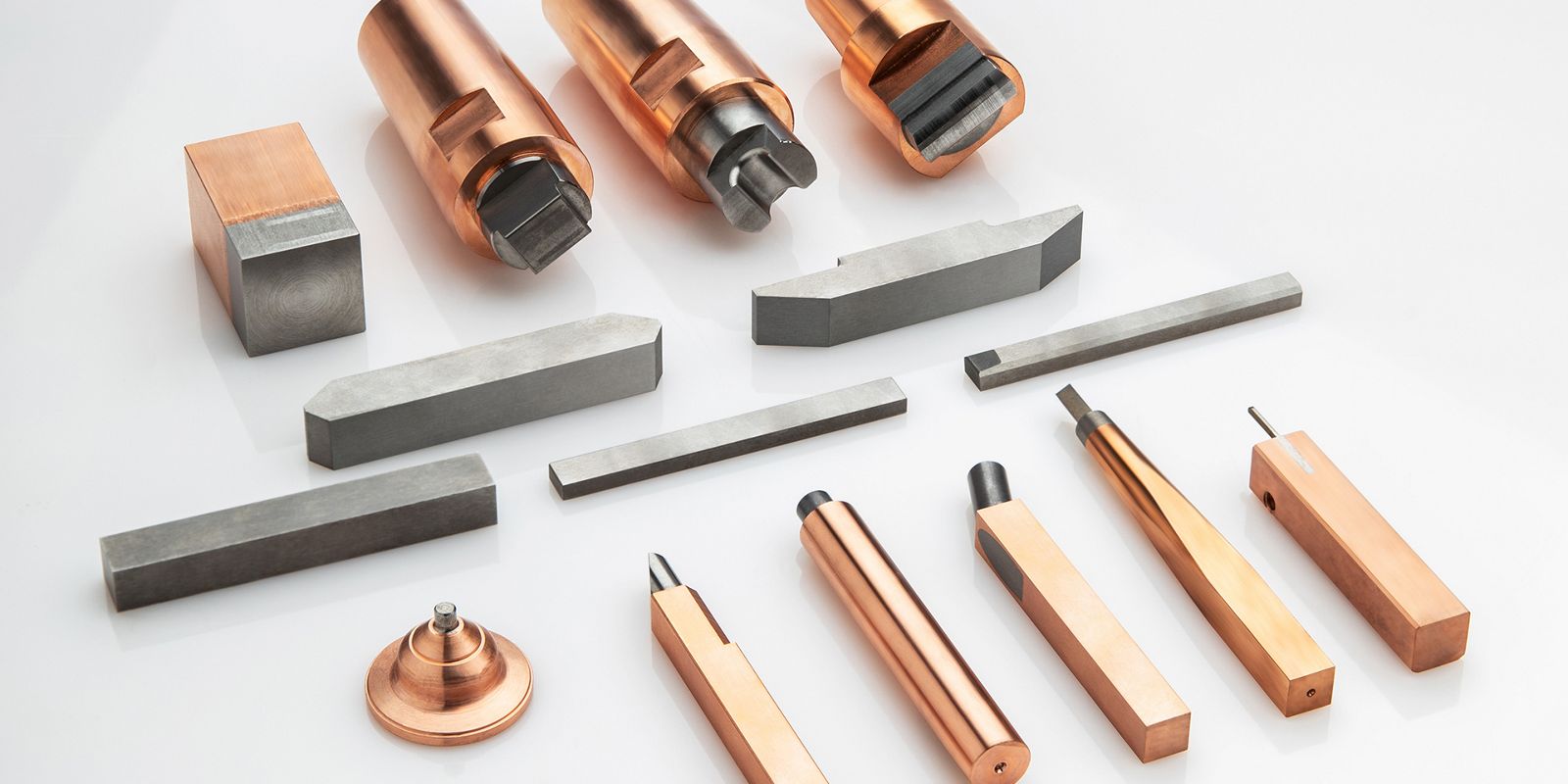
Copper is the most popular electrode material in spot welding. It has excellent electrical and thermal conductivity. Copper alloys, like copper-chromium and copper-beryllium, offer improved strength and durability. These alloys resist wear better than pure copper while maintaining good conductivity. Copper electrodes cool quickly, reducing welding time and improving efficiency.
Graphite Electrodes
Graphite is used for welding metals sensitive to contamination. It has high heat resistance and low electrical conductivity compared to copper. Graphite electrodes are ideal for welding aluminum and other non-ferrous metals. They wear slowly and withstand high temperatures without deforming. Graphite electrodes require less maintenance but are more brittle than metal electrodes.
Tungsten And Molybdenum
Tungsten and molybdenum are refractory metals used for high-temperature welding. They resist oxidation and wear under extreme heat. Tungsten electrodes are very hard and maintain shape at high temperatures. Molybdenum offers good thermal conductivity and strength. Both materials are often used in projection welding and for welding thick or conductive metals.
Silver And Noble Metals
Silver and other noble metals like gold and platinum serve as electrodes in specialized welding. Silver has excellent electrical and thermal conductivity. Noble metals resist corrosion and oxidation during welding. These electrodes are expensive but provide superior weld quality and longer life. They are used in precision welding and applications requiring high purity.
Credit: www.plansee.com
Material Properties Impacting Performance
The performance of spot welding electrodes depends greatly on the materials used. Certain material properties directly affect how well the electrode works. Understanding these properties helps in selecting the best material for specific welding needs.
Electrical Conductivity
High electrical conductivity allows the electrode to pass current easily. This property helps generate the heat needed for welding. Copper and its alloys are popular choices due to their excellent conductivity. Poor conductivity can lead to energy loss and weak welds.
Thermal Conductivity
Good thermal conductivity helps the electrode spread heat quickly. This prevents overheating and damage during welding. Materials like copper also offer high thermal conductivity. Proper heat management extends the life of the electrode and improves weld quality.
Mechanical Strength
Electrodes must resist deformation under pressure. Strong materials maintain shape even during heavy use. Mechanical strength ensures consistent welds by keeping electrode surfaces intact. Common materials balance strength with conductivity for best results.
Wear And Erosion Resistance
Spot welding electrodes face wear from sparks and heat. Materials with good wear resistance last longer and reduce downtime. Erosion resistance prevents surface damage and maintains electrode shape. Using durable materials cuts maintenance costs and improves productivity.
Choosing Electrodes For Different Applications
Choosing the right electrode material is vital for effective spot welding. The electrode must suit the metal types and welding conditions. Different metals need different electrode properties. These include conductivity, hardness, and resistance to wear. Proper selection improves weld quality and electrode life. This section explores choices for various applications.
Welding Mild And Carbon Steel
Copper alloys are common for mild and carbon steel. Copper-chromium and copper-zirconium alloys offer high conductivity and good strength. They resist welding heat and reduce sticking to the metal. These alloys help produce clean, strong welds. Electrode tips remain durable under repeated use.
Welding Stainless Steel And High Alloys
Stainless steel needs electrodes with higher hardness. Copper-tungsten and copper-chromium-zirconium alloys work well. These materials resist deformation and wear from heat. They maintain shape during welding. This ensures consistent weld quality on tough alloys.
Welding Highly Conductive Materials
Aluminum and copper have high electrical conductivity. Their welding requires special electrodes. Tungsten-copper alloys provide the needed hardness and conductivity. They prevent electrode tip wear and sticking. These alloys improve weld consistency on conductive metals.
Projection Vs Spot Welding
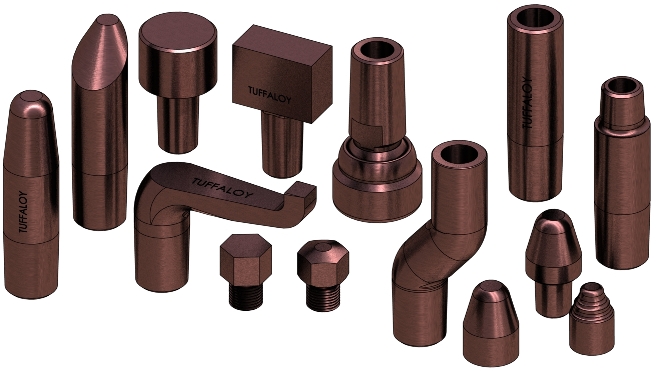
Projection welding uses shaped electrodes to focus heat. This requires harder electrode materials than spot welding. Tungsten and molybdenum alloys are common choices. Spot welding uses round copper alloy electrodes. The choice depends on welding method and metal type.
Advantages And Limitations Of Electrode Materials
Choosing the right electrode material for spot welding affects the welding quality and efficiency. Each material offers distinct benefits and drawbacks. Understanding these helps in selecting the best electrode for specific needs.
Cost Considerations
Copper is common due to its moderate cost and excellent conductivity. Materials like silver and platinum cost more but resist wear better. Budget limits often guide the choice of electrode material.
Durability And Lifespan
Copper alloys provide good durability but wear faster under heavy use. Tungsten and molybdenum alloys last longer but cost more. Longevity reduces replacement needs and downtime in production.
Ease Of Machining And Shaping
Copper and brass are easier to shape into complex electrode designs. Harder metals like tungsten require specialized tools and skills. Simpler machining lowers manufacturing costs and speeds up production.
Maintenance And Care Of Spot Welding Electrodes
Proper maintenance and care of spot welding electrodes are essential for consistent weld quality. Well-maintained electrodes last longer and reduce production costs. Neglecting care leads to poor welds and frequent replacements.
Cleaning Techniques
Keep electrodes clean to ensure good electrical contact. Use a wire brush or abrasive pad to remove dirt and oxidation. Avoid harsh chemicals that can damage the electrode surface. Clean after every welding session to prevent buildup.
Preventing Electrode Deformation
Electrodes can deform from heat and pressure during welding. Use proper welding parameters to avoid overheating. Cool electrodes between welds using compressed air or water sprays. Store electrodes in a dry place to prevent warping.
Regular Inspection And Replacement
Check electrodes often for wear and damage. Look for cracks, pitting, or rounded tips. Replace electrodes that show signs of excessive wear. Regular replacement maintains weld strength and accuracy.

Credit: en.wikipedia.org
Emerging Materials And Technologies
Spot welding electrodes must handle high heat and pressure. New materials and technologies improve their performance. These advances help electrodes last longer and weld more effectively. Researchers focus on alloys, coatings, and design changes. These innovations reduce wear and increase welding quality.
Advanced Alloy Developments
Alloys with better heat resistance are now common. Copper-chromium and copper-tungsten blends offer strong conductivity and durability. These alloys handle heat spikes without melting. They also resist deformation during welding. Improved alloys reduce electrode replacement frequency. This saves time and lowers costs in production.
Coatings To Extend Electrode Life
Coatings protect electrodes from wear and corrosion. Materials like chromium oxide and ceramic layers are popular. These coatings reduce sticking and pitting on electrode surfaces. They also improve heat control during welding. Coated electrodes maintain consistent weld quality longer. This means fewer machine stops for maintenance.
Innovations In Electrode Design
Design changes improve heat flow and contact stability. Some electrodes now have cooling channels inside them. This helps keep temperatures low during use. New shapes increase the contact area for better welds. Ergonomic designs make electrode replacement faster and easier. These design improvements enhance overall welding efficiency.
Credit: tjsnow.com
Frequently Asked Questions
What Are Spot Welder Electrodes Made Of?
Spot welder electrodes are mainly made of copper alloys for excellent conductivity and durability. Sometimes, tungsten or silver blends improve performance.
Which Material Is Used For Making Electrodes?
Electrodes are typically made from copper alloys due to their excellent electrical and thermal conductivity. Graphite, tungsten, and noble metals like silver or platinum are also used but cost more. Material choice depends on the application and required durability.
What Material Is Used In Spot Welding?
Spot welding electrodes are mainly made from copper alloys for excellent electrical and thermal conductivity. Some use copper-tungsten blends for durability.
What Material Is The Electrode Made Of In Welding?
Welding electrodes are commonly made from carbon steel, stainless steel, copper, or alloys like copper-tungsten. These materials ensure good conductivity and durability.
Conclusion
Choosing the right electrode material affects spot welding quality and efficiency. Copper alloys remain the most common choice due to their excellent electrical conductivity and durability. Graphite or noble metals appear in special cases but cost more. Understanding these materials helps in selecting electrodes that suit your welding needs.
This knowledge ensures stronger welds and longer electrode life. Keep it simple and focus on materials that fit your application and budget.

Hi, I’m Zachary Ford. I’m passionate about welding and dedicated to helping both beginners and experienced welders make informed decisions. I research, test, and write about welding helmets, welding machines, safety equipment, and essential workshop tools. My goal is to provide honest reviews, practical buying guides, and easy-to-follow tutorials that help you weld more safely, work more efficiently, and choose the right gear with confidence.