
When you see cars, appliances, or even small electronic devices, you might not realize how their metal parts are joined together. One common method is resistance spot welding. It’s a process used around the world, especially in manufacturing, to join metal sheets quickly and securely. Understanding how resistance spot welding works can help you see why it’s so popular, how it helps products stay strong, and why it matters in many industries.
How Resistance Spot Welding Works
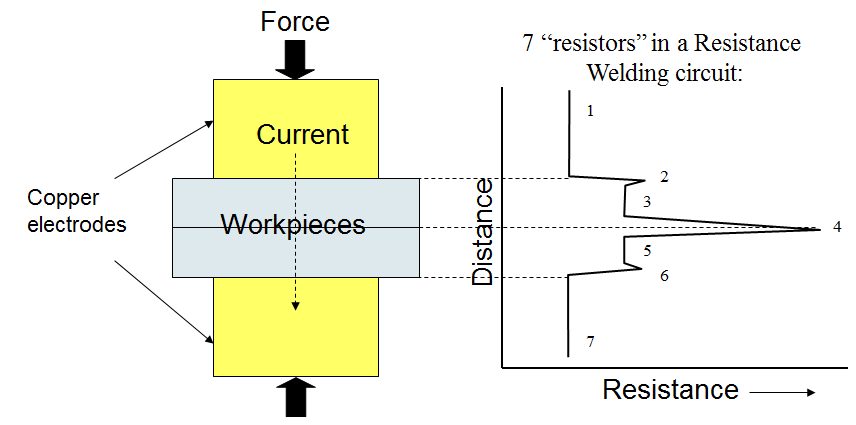
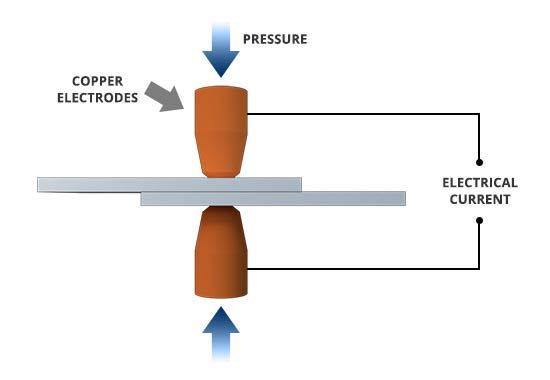
Resistance spot welding is a technique that joins two or more pieces of metal by applying pressure and electric current. The process uses two copper alloy electrodes to press the metal sheets together. When an electric current passes through the electrodes, heat is generated due to the resistance of the metal. This heat melts a small spot between the sheets, forming a weld nugget. Once the current stops, the pressure is maintained for a short time, allowing the spot to cool and solidify.
The entire process usually takes just a few seconds. The key steps are:
- The electrodes clamp the metal sheets together.
- Electric current flows through the electrodes and sheets.
- Heat is generated at the contact point, melting the metal.
- The pressure holds the sheets while the metal cools.
- A solid weld forms at the spot.
This method is often used for thin sheet metals, making it ideal for mass production.
Main Components Of A Resistance Spot Welding System
A resistance spot welding system has several important parts. Each plays a role in ensuring weld quality and safety.
| Component | Description |
|---|---|
| Power Supply | Provides the electric current needed for welding. |
| Electrodes | Made from copper alloys; clamp the metal and conduct electricity. |
| Transformer | Reduces voltage and increases current for welding. |
| Control System | Manages timing, pressure, and current for each weld. |
| Cooling System | Keeps electrodes and machine parts cool during operation. |
Each part must function well together. For example, if the electrodes are worn or dirty, the weld may be weak.
Key Parameters Affecting Weld Quality
Several factors affect the quality of a resistance spot weld. Adjusting these parameters can improve strength, appearance, and durability.
- Welding current: Higher current produces more heat, but too much can burn the metal.
- Welding time: Longer time allows more heat, but can cause metal distortion.
- Electrode force: Proper pressure ensures sheets stay in contact and helps shape the weld nugget.
- Electrode condition: Clean, shaped electrodes give consistent results.
For example, in car manufacturing, the right combination of current and pressure ensures strong joints without damaging the sheets. A common mistake is using excessive current, which can create holes or weak spots.
Advantages Of Resistance Spot Welding
Resistance spot welding offers several benefits, making it a preferred choice for many industries.
- Speed: Each weld takes only a few seconds, allowing fast production.
- Automation: Machines can be programmed for repetitive tasks.
- Low cost: The process uses minimal materials and energy.
- No filler material: Metal sheets are joined directly, reducing waste.
- Reliable joints: Welds are strong and resist vibration.
Because of these advantages, spot welding is popular in automotive, appliance, and electronics manufacturing.
Limitations And Challenges
While resistance spot welding is useful, it has some limitations.
- Metal thickness: Works best with thin sheets (usually up to 3 mm).
- Material compatibility: Not all metals are suitable; aluminum and stainless steel require special settings.
- Weld accessibility: Electrodes need access to both sides of the sheet.
- Surface cleanliness: Dirt or coatings can reduce weld strength.
For example, welding thick or coated metals might require other methods, such as laser welding or arc welding. Spot welding is not ideal for joining complex shapes or very thick materials.
Applications Of Resistance Spot Welding
Resistance spot welding is widely used in manufacturing. Here are some examples:
- Automotive industry: Cars have thousands of spot welds holding body panels, frames, and other parts together.
- Appliance manufacturing: Washing machines, refrigerators, and air conditioners use spot welding for their metal shells.
- Electronics: Small batteries and connectors are joined with spot welds.
- Aerospace: Aircraft use spot welding for lightweight metal parts.
- Construction: Metal frameworks and panels are sometimes spot welded.
The automotive industry is the largest user, with modern car bodies having up to 5,000 spot welds.
Credit: ahssinsights.org
Types Of Resistance Spot Welding Machines
Different machines are used, depending on the job and production needs.
| Machine Type | Main Use | Features |
|---|---|---|
| Manual Spot Welder | Small workshops, repairs | Handheld, simple controls |
| Pedestal Spot Welder | Medium production | Foot-operated, stable base |
| Portable Gun Welder | Automotive assembly lines | Lightweight, flexible arm |
| Robotic Spot Welder | High-volume factories | Automated, programmable |
Robotic spot welders are common in car factories, where speed and precision are essential. Manual welders are used for smaller jobs or repairs.
Comparison: Resistance Spot Welding Vs. Other Welding Methods
Understanding how resistance spot welding compares to other methods can help choose the right process for a project.
| Welding Method | Heat Source | Materials Joined | Typical Thickness | Speed |
|---|---|---|---|---|
| Resistance Spot Welding | Electric current | Sheet metal | Up to 3 mm | Fast |
| Arc Welding | Electric arc | Various metals | Wide range | Medium |
| Laser Welding | Laser beam | Precise joints | Thin or thick | Very fast |
| Gas Welding | Flame | Metals, alloys | Thin to medium | Slow |
Resistance spot welding is best for thin metal sheets and rapid production. Arc and laser welding can handle thicker materials and more complex shapes but are slower or more expensive.

Credit: www.sciencedirect.com
Safety Considerations
Safety is important in resistance spot welding. The process involves high currents and pressure, so workers must follow guidelines.
- Personal protective equipment (PPE): Gloves, goggles, and protective clothing are required.
- Electrical safety: Machines must be grounded and maintained.
- Cooling systems: Prevent overheating and burns.
- Ventilation: Removes fumes and keeps the workspace safe.
Accidents are rare if workers follow proper procedures. Still, training and regular checks are necessary.
Quality Control And Testing
Weld quality is checked with several methods. Ensuring strong joints is important for safety and performance.
- Visual inspection: Checks for surface cracks, holes, or irregular welds.
- Tensile testing: Measures how much force the weld can handle.
- Ultrasonic testing: Detects hidden flaws inside the weld.
- Peel test: Separates sheets to see if the weld holds.
Automotive companies use strict quality controls. Weak welds can cause safety issues, so every step is monitored.
Environmental Impact
Resistance spot welding uses less energy than many other welding methods. It produces little waste and few fumes. However, the use of copper electrodes and cooling water affects the environment.
- Copper recycling: Used electrodes can be recycled.
- Water management: Cooling systems need efficient water use.
- Energy efficiency: Modern machines use less power.
Manufacturers are working to make the process greener by improving recycling and reducing water consumption.
Common Mistakes And How To Avoid Them
Beginners often make mistakes that reduce weld quality. Here are some tips to avoid problems:
- Incorrect electrode pressure: Too little pressure causes weak welds; too much can damage sheets.
- Dirty surfaces: Always clean metal sheets before welding.
- Wrong current settings: Check machine settings for each metal type.
- Ignoring cooling needs: Overheated electrodes wear out faster.
- Poor maintenance: Regularly check and clean electrodes and machines.
A non-obvious tip: monitor electrode shape closely. Even small changes can affect the weld. Also, keep track of welding times, as too short or too long can reduce strength.
New Developments And Trends
Resistance spot welding is changing with technology. Modern factories use robotics and computer controls to improve speed and consistency.
- Robotic welding arms: Increase production and reduce errors.
- Smart sensors: Monitor weld quality in real time.
- Advanced alloys: Allow welding of new materials, including lightweight metals for electric cars.
- Data analysis: Tracks welding performance and predicts maintenance needs.
For more details about resistance spot welding, you can visit Wikipedia.
The Bottom Line
Resistance spot welding is a fast, efficient way to join metal sheets. It is used in cars, appliances, and electronics because it creates strong joints with little waste. The process works best for thin metals and is easy to automate.
With careful control of key parameters and regular maintenance, spot welding produces reliable results. New trends like robotics and smart controls are making the process even better. If you need to join metal sheets for mass production, resistance spot welding is often the best choice.
Remember to pay attention to machine settings, electrode maintenance, and safety, and you’ll get strong, lasting welds every time.
Credit: www.twi-global.com

Hi, I’m Zachary Ford. I’m passionate about welding and dedicated to helping both beginners and experienced welders make informed decisions. I research, test, and write about welding helmets, welding machines, safety equipment, and essential workshop tools. My goal is to provide honest reviews, practical buying guides, and easy-to-follow tutorials that help you weld more safely, work more efficiently, and choose the right gear with confidence.