
Gas metal spot welding is a practical and efficient method for joining metal parts. If you work in manufacturing, automotive repair, or metal fabrication, you may have heard about this process. It uses an electric arc and shielding gas to weld small areas on metal surfaces.
The method is fast, accurate, and widely used in many industries. But what are the real-world uses? Why do companies choose gas metal spot welding instead of other welding techniques? This article will answer those questions and help you understand where and why this welding process is so valuable.
Understanding Gas Metal Spot Welding
Gas metal spot welding is a subset of gas metal arc welding (GMAW), also known as MIG welding. In spot welding, the focus is on creating small welds that join overlapping pieces of metal at specific points rather than along the entire seam. The process uses a consumable wire electrode, which melts and forms the weld, and a shielding gas (usually argon or CO₂) to protect the weld from contamination.
Unlike traditional spot welding, which uses resistance and pressure, gas metal spot welding relies on an electric arc. This makes it suitable for a wider range of metals and thicknesses. The result is a strong, localized joint without damaging the surrounding material.
Key Industries Using Gas Metal Spot Welding
Gas metal spot welding is popular in several industries because of its speed, precision, and flexibility. Here are some of the most common applications:
Automotive Manufacturing
The automotive industry relies heavily on gas metal spot welding. Cars have many thin metal parts, such as body panels, frames, and brackets, that need to be joined quickly and reliably. Gas metal spot welding is ideal for these tasks because it creates strong joints with minimal heat distortion.
For example, car doors and roof panels are often spot welded to their frames. This allows for precise assembly and keeps production lines moving efficiently. According to industry reports, over 80% of welds in automotive body assembly use spot welding methods, including gas metal spot welding.
Electronics And Electrical Equipment
In electronics manufacturing, gas metal spot welding is used to join metal contacts, terminals, and thin metal enclosures. The process is gentle enough to avoid damaging sensitive components. For instance, battery terminals and connector housings are commonly welded with this method.
Spot welding ensures that electrical connections are secure and conductive, which is vital for the performance of electronic devices. It also allows for automated assembly, making it suitable for mass production.
Sheet Metal Fabrication
Sheet metal fabrication shops use gas metal spot welding to assemble products like cabinets, enclosures, ducts, and furniture frames. The process is fast and minimizes visible weld marks, which is important for products with a clean, finished appearance.
Many shops prefer gas metal spot welding for joining galvanized steel or aluminum sheets, where traditional resistance spot welding may not work well. Because gas metal spot welding does not require heavy pressure, it can be used on delicate or thin materials without causing deformation.
Aerospace Applications
In the aerospace industry, gas metal spot welding is used for joining lightweight structural components. Aircraft require strong, reliable joints that do not add excessive weight. Spot welding offers these advantages.
For example, aluminum panels and brackets in aircraft interiors are often spot welded. The process is also used for assembling engine components and other critical parts. Aerospace manufacturers need precision and consistency, which gas metal spot welding provides.
Appliance Manufacturing
Home appliances such as washing machines, refrigerators, and ovens include many sheet metal parts. Gas metal spot welding is used to assemble these components, ensuring durability and strength.
Manufacturers choose this method because it produces clean, neat welds that can be easily hidden or painted. It also allows for high-speed automated production, which is essential in the appliance industry.
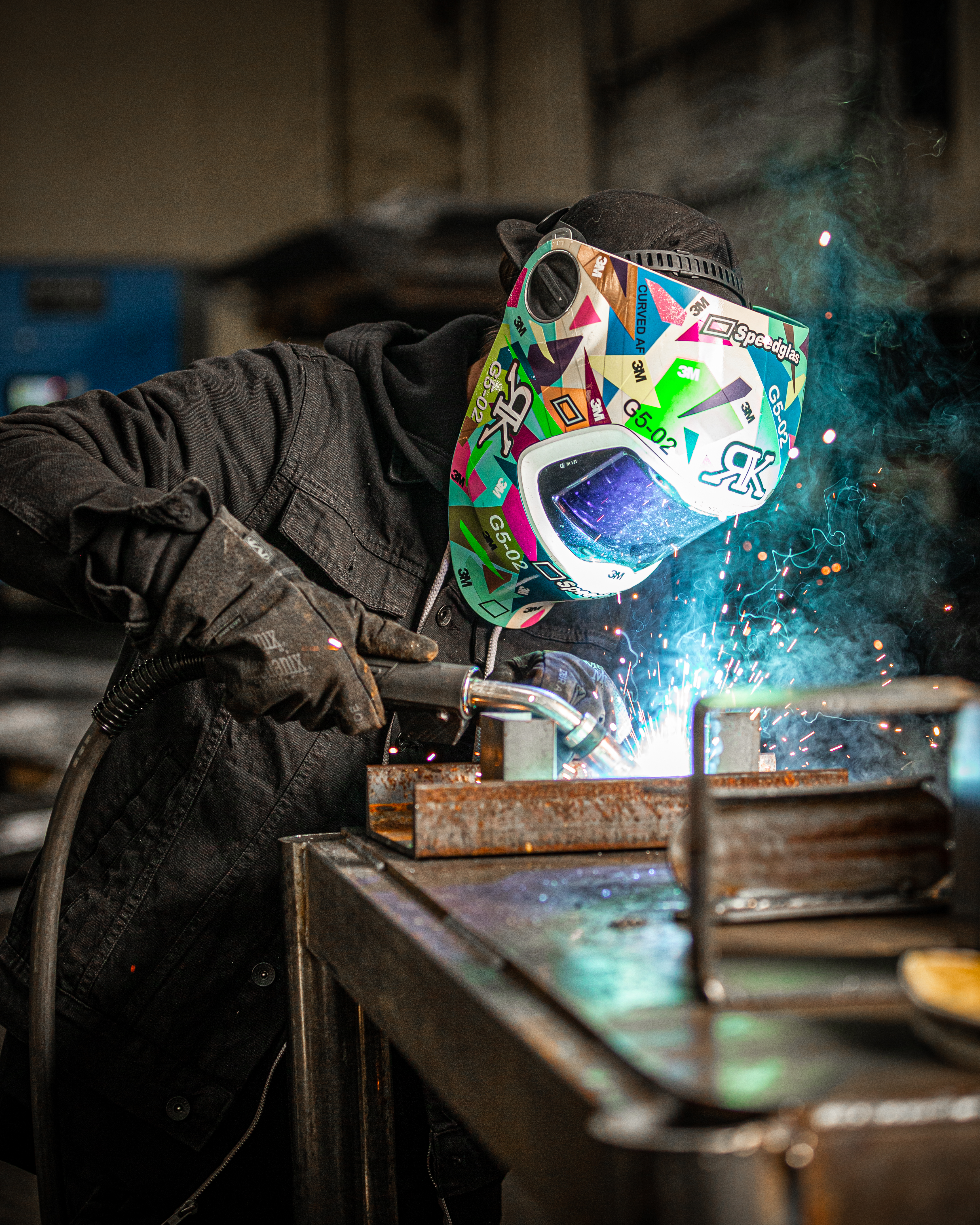
Credit: en.wikipedia.org
Comparing Gas Metal Spot Welding To Other Methods
Gas metal spot welding offers several advantages over other welding techniques. Let’s see how it compares to resistance spot welding and traditional MIG welding.
| Feature | Gas Metal Spot Welding | Resistance Spot Welding | Traditional MIG Welding |
|---|---|---|---|
| Heat Control | Localized | Localized | Wider area |
| Pressure Needed | None | High | None |
| Material Thickness | Thin to medium | Thin only | All thicknesses |
| Speed | Fast | Very fast | Medium |
| Automation | Easy | Very easy | Easy |
| Appearance | Clean spot | Clean spot | Visible seam |
Gas metal spot welding is especially useful when pressure cannot be applied or when working with materials that would deform under heavy force. It also handles a wider range of metals, including aluminum and stainless steel, better than resistance spot welding.
Typical Joint Types And Materials
Gas metal spot welding is used for specific types of joints and materials. Here’s a closer look at where it works best.
Overlapping Joints
Most gas metal spot welds are made at points where two metal sheets overlap. The weld is applied only at certain spots, not along the full edge. This creates a strong bond with less material and less heat.
Common Metals
- Steel: Used in automotive and appliance parts.
- Aluminum: Preferred in aerospace and electronics.
- Galvanized steel: Often found in construction and sheet metal products.
- Stainless steel: Used in food equipment and medical devices.
Some metals, such as copper, are less suitable because they do not form strong welds with this method.
Example Joint Strength
A typical gas metal spot weld can hold up to 1500 pounds of force, depending on the material and weld size. This is enough for most structural applications in cars, appliances, and metal furniture.
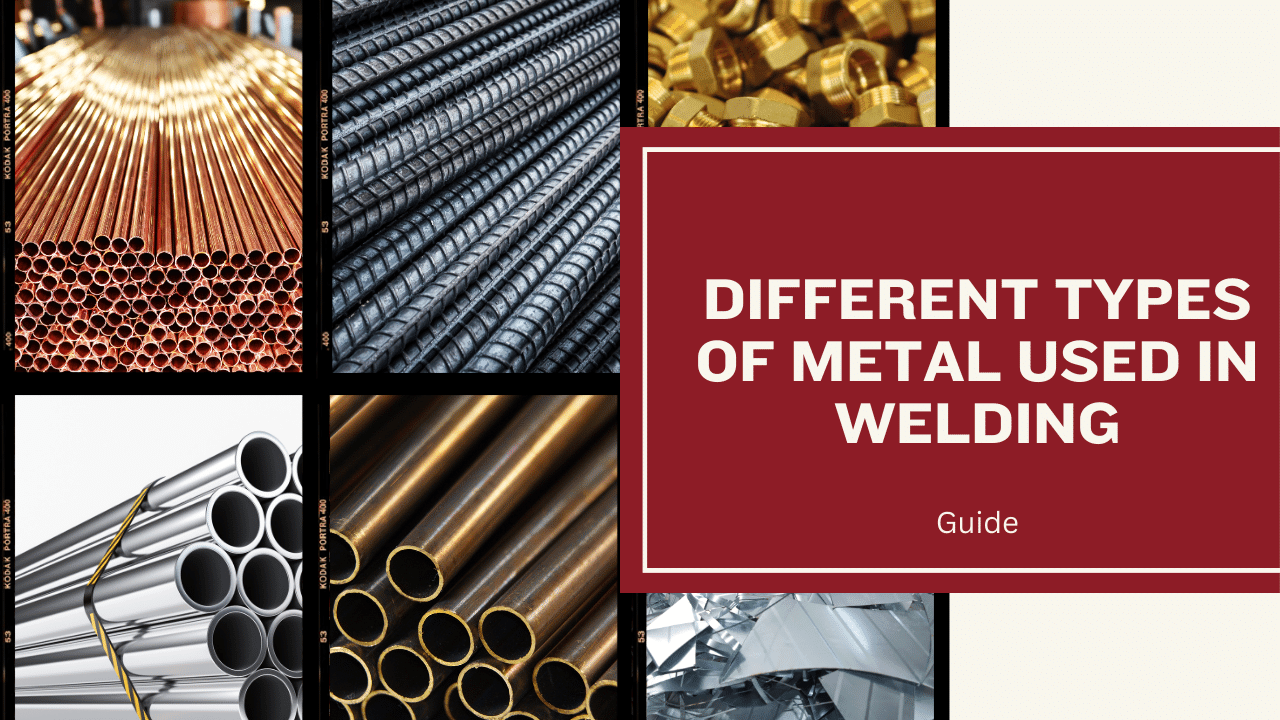
Credit: www.arccaptain.com
Process Details And Key Parameters
Understanding how gas metal spot welding works is important for choosing the right settings and achieving good results.
Main Steps
- Preparation: Clean the metal surfaces to remove oil, dirt, or rust.
- Positioning: Overlap the sheets and hold them in place.
- Welding: Apply the electrode and shielding gas to the spot. The arc melts the metal and forms the weld.
- Cooling: Allow the weld to cool and solidify.
Typical Parameters
| Parameter | Typical Value | Effect on Weld |
|---|---|---|
| Current | 80–200 amps | Controls penetration |
| Voltage | 16–22 volts | Controls arc stability |
| Gas Flow Rate | 20–25 L/min | Protects weld from contamination |
| Weld Time | 0.5–2 seconds | Controls spot size |
| Wire Diameter | 0.8–1.2 mm | Matches material thickness |
Choosing the right parameters is important for strong, clean welds. Beginners often overlook gas flow rate and weld time, which can cause weak spots or porosity.
Advantages Of Gas Metal Spot Welding
Gas metal spot welding has several benefits that make it a preferred choice in many situations.
Speed And Efficiency
Spot welding is fast. In high-volume production, this can save hours and reduce costs. For example, a car door can be assembled in under 10 minutes using automated spot welding.
Minimal Heat Distortion
Because the weld is localized, there is less risk of warping or damaging the surrounding material. This is especially important for thin sheets and delicate components.
Clean Appearance
Gas metal spot welds are small and neat. They can be easily hidden under paint or coatings, making them suitable for consumer products.
Flexibility
The process works on different metals and joint types. It can be used in manual or automated systems, making it versatile for factories and workshops.
Lower Equipment Costs
Gas metal spot welding does not require heavy pressure equipment. This reduces setup costs and makes it accessible for small shops.
Common Challenges And Solutions
While gas metal spot welding is efficient, there are some challenges to watch out for.
Incomplete Fusion
Sometimes the weld does not penetrate both metal sheets fully. This can happen if the current is too low or the surfaces are dirty. To avoid this, always clean the materials and set the right parameters.
Porosity
Air bubbles or contamination can cause weak spots. Using the correct shielding gas and flow rate will help prevent this problem.
Misalignment
If the sheets are not properly overlapped, the weld may fail. Take time to position the pieces accurately before welding.
Material Differences
Welding two different metals can be tricky. Some combinations, like aluminum to steel, require special techniques or filler materials.
Automation Issues
Robotic spot welding is common, but sensors and alignment must be precise. Regular maintenance and calibration are needed to keep production consistent.
Safety And Environmental Considerations
Gas metal spot welding is safer than some other methods because it does not involve high pressure or excessive heat. However, there are still important safety steps.
- Always wear eye protection and welding gloves.
- Use proper ventilation to avoid gas buildup.
- Keep the work area clean to prevent fire hazards.
In terms of environmental impact, gas metal spot welding produces less waste and fumes compared to traditional welding. The process is efficient, which means less energy is used for each weld.
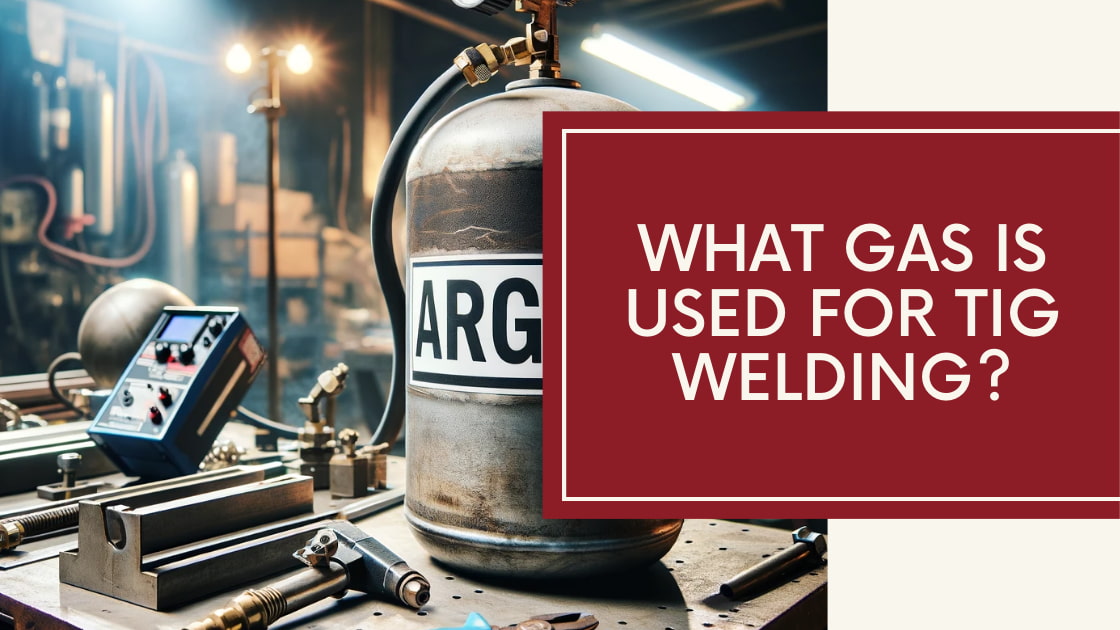
Credit: www.arccaptain.com
Real-world Examples And Case Studies
Gas metal spot welding is not just a theory—it’s used daily in factories around the world.
Automotive Assembly Line
A major car manufacturer uses gas metal spot welding to join roof panels. With robotic welders, they produce over 1,000 cars per day. The process ensures each joint is strong and consistent, meeting strict safety standards.
Electronics Plant
In a battery factory, workers use gas metal spot welding to attach terminals to battery cells. The method is fast and does not overheat the components, which could damage the batteries.
Sheet Metal Shop
A small fabrication shop switched to gas metal spot welding for building HVAC ducts. They found that welds were cleaner, and production time dropped by 20% compared to using seam welding.
The Bottom Line
Gas metal spot welding is a powerful tool for joining metal parts quickly and reliably. It is used in automotive, electronics, sheet metal, aerospace, and appliance manufacturing because of its speed, precision, and clean appearance. The process handles a wide range of materials and joint types, making it flexible for many applications.
Remember, choosing the right parameters and preparing materials properly are key for strong welds. Gas metal spot welding may seem simple, but mastering it can save time and improve product quality. If you work with thin metal sheets or need fast, accurate joints, gas metal spot welding is a method worth considering.
For more technical details and industry standards, you can check out Wikipedia’s spot welding page. This resource offers additional information about welding processes and their uses.
Understanding the strengths and limits of gas metal spot welding will help you make better decisions in manufacturing and fabrication. Whether you are a beginner or an experienced welder, knowing where and how to use this method can set you apart in your field.

Hi, I’m Zachary Ford. I’m passionate about welding and dedicated to helping both beginners and experienced welders make informed decisions. I research, test, and write about welding helmets, welding machines, safety equipment, and essential workshop tools. My goal is to provide honest reviews, practical buying guides, and easy-to-follow tutorials that help you weld more safely, work more efficiently, and choose the right gear with confidence.