
Welding is a skill that shapes metal into useful things, from cars to bridges to art. But while welding looks impressive, it can also be dangerous. Many people know they need to wear gloves and protective clothing. But what about the helmet?
Some beginners or careless welders sometimes skip the helmet, thinking it’s not a big deal. The truth is, welding without a helmet can seriously damage your eyes. Let’s look closer at why this happens, what risks are involved, and how to protect yourself.
Why A Welding Helmet Is Essential
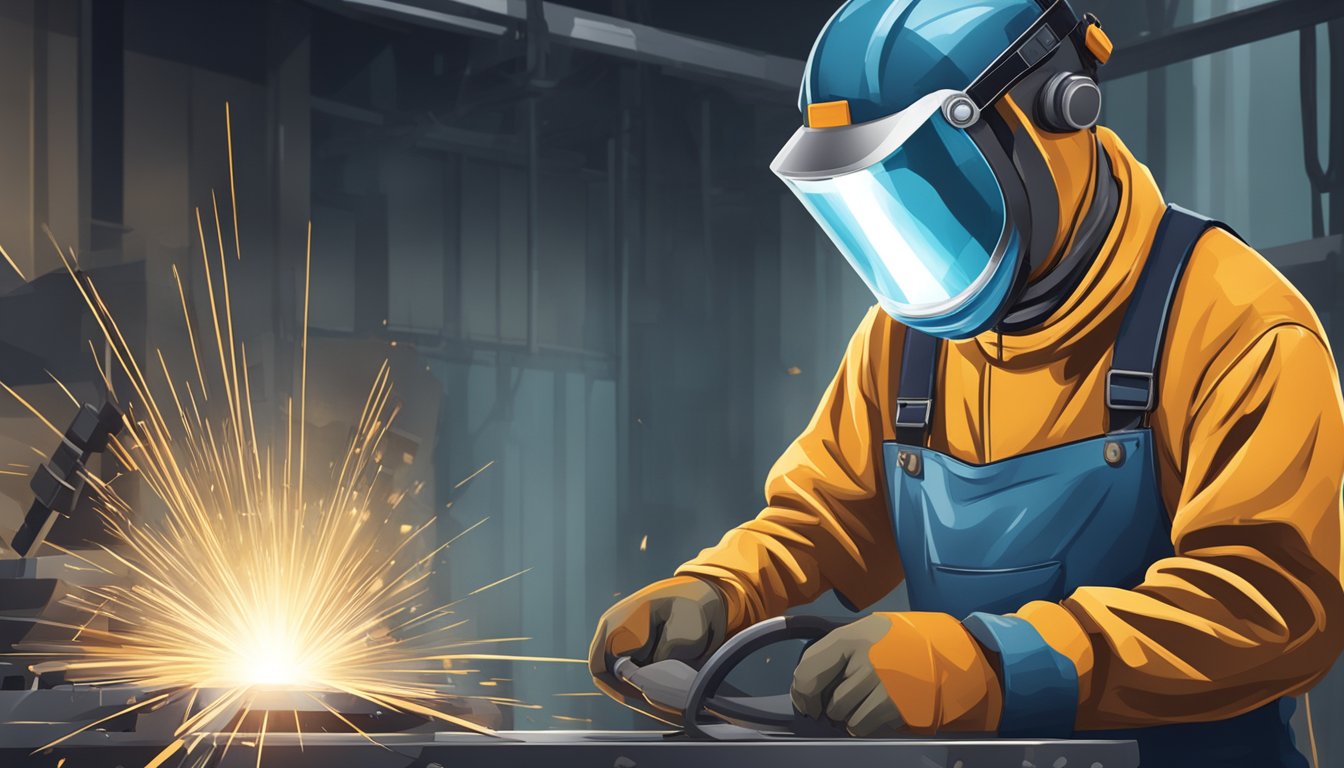
Welding produces intense light, heat, and radiation. The arc that joins metal sends out ultraviolet (UV) rays, infrared (IR) rays, and visible light that is much brighter than sunlight. Without a helmet, your eyes are exposed to all of these hazards.
A welding helmet does more than just block sparks. It has a special filter, called a lens shade, which darkens the light and blocks dangerous rays. Modern helmets even have auto-darkening lenses that adjust to the brightness of the arc. This keeps your eyes safe every moment you weld.
What Happens To Your Eyes Without Protection
If you weld without a helmet, your eyes can suffer both short-term and long-term injuries. Here are the main risks:
1. Arc Eye (welder’s Flash)
Arc eye is the most common injury. It happens when your eyes are exposed to strong UV light from the welding arc. Symptoms usually appear a few hours after welding. You may feel:
- Pain like sand in your eyes
- Redness
- Tearing
- Blurred vision
- Sensitivity to light
Arc eye is actually a burn on your eye’s surface—the cornea. This injury is painful and can last several days. If you keep welding without protection, the damage can become permanent.
2. Retinal Damage
The retina is the part of your eye that senses light. Welding arcs are so bright they can cause retinal burns. This can lead to:
- Loss of vision
- Blind spots
- Difficulty seeing colors
Unlike arc eye, retinal burns may not heal. In severe cases, you could lose your eyesight forever.
3. Cataracts
Long-term exposure to UV and IR rays can cause cataracts, which cloud the lens of your eye. Cataracts make your vision blurry and can only be fixed with surgery. Welders who skip helmets risk developing cataracts much earlier than other people.
4. Dry Eye And Irritation
Welding produces heat and smoke. Without a helmet, your eyes can dry out and become irritated. This can make your eyes feel gritty and sore. Over time, chronic dryness can affect your vision.
Credit: www.arccaptain.com
Real Data: How Common Are Eye Injuries In Welding?
Eye injuries are more common in welding than many people realize. According to the Occupational Safety and Health Administration (OSHA), nearly 25% of all welding injuries affect the eyes. Most of these injuries are caused by UV exposure, sparks, or hot metal.
Here’s a comparison showing how welding ranks compared to other trades for eye injuries:
| Trade | % of Eye Injuries | Main Causes |
|---|---|---|
| Welding | 25% | UV rays, sparks |
| Carpentry | 10% | Dust, wood chips |
| Plumbing | 7% | Chemicals, debris |
| Machining | 13% | Metal fragments |
This table shows that welders face a higher risk for eye injuries than most other trades. The main reason is the powerful light and heat from the arc.
How Welding Helmets Protect Your Eyes
Welding helmets are not just a shield. They are advanced safety tools. Here’s how they protect you:
Lens Shade
The lens shade blocks bright light and filters out UV and IR rays. Different welding jobs need different shade levels.
| Welding Process | Recommended Shade | Light Intensity |
|---|---|---|
| Shielded Metal Arc (SMAW) | 10–12 | High |
| MIG Welding | 10–13 | Very High |
| TIG Welding | 8–10 | Moderate |
| Oxy-Acetylene Cutting | 5–6 | Lower |
Choosing the right shade is important. Too light, and you still risk damage. Too dark, and you can’t see your work.
Full Face And Head Protection
Helmets cover your entire face, not just your eyes. This keeps sparks and hot metal from hitting your skin or entering your eyes from the sides.
Auto-darkening Feature
Modern helmets can sense the arc and automatically darken the lens. This makes welding safer and easier, especially for beginners.

Credit: www.thefabricator.com
Common Myths About Welding Without A Helmet
Some people think they can weld for “just a second” without a helmet, or that sunglasses will protect them. These ideas are dangerous and wrong.
“sunglasses Are Enough”
Sunglasses block some UV rays, but not nearly enough for welding. They do not filter IR rays or intense visible light. Welding with sunglasses is almost as risky as welding with nothing.
“short Welds Don’t Need Protection”
Even a brief exposure to the arc can burn your eyes. Arc eye can happen in seconds. Never skip the helmet, even for a quick job.
“standing Far Away Is Safe”
Distance does reduce risk, but not enough. UV rays travel far and bounce off surfaces. You still need a helmet, no matter how far from the arc you are.
Examples: Real Stories Of Eye Damage
Stories from welders show how risky it is to skip helmets:
- A young welder in Texas tried to “spot weld” for just a few seconds without a helmet. The next day, his eyes were so painful he could not open them. The doctor diagnosed arc eye and warned him it could have been worse.
- In a large factory, several workers suffered permanent vision loss after welding while their helmet lenses were cracked or missing. They thought partial protection was enough, but it wasn’t.
- One experienced welder developed cataracts in his 40s after years of “lifting the helmet” to check his work while the arc was still active.
These cases show that even experienced welders can make mistakes with serious results.
How To Prevent Eye Damage In Welding
Preventing eye injuries is simple if you follow safety rules every time you weld:
- Always wear a certified welding helmet. Make sure it’s rated for the type of welding you do.
- Check your helmet for damage. Cracks or loose lenses can let in dangerous light.
- Choose the right lens shade. Follow guidelines for your welding process and amperage.
- Use auto-darkening helmets if possible. They make welding safer and easier.
- Never look at the arc, even from a distance. UV rays can reach your eyes indirectly.
- Keep bystanders safe. Make sure people nearby wear eye protection or shield their eyes.
Here’s a simple comparison of helmet types:
| Helmet Type | Protection Level | Suitable For | Cost |
|---|---|---|---|
| Standard Helmet | High | All welding types | Low |
| Auto-Darkening Helmet | Very High | Frequent welding | Medium–High |
| Partial Face Shield | Low | Grinding, cutting (not welding) | Low |
Non-obvious Insights Most Beginners Miss
Many new welders don’t realize that:
- Indirect exposure is dangerous. Even if you’re not looking straight at the arc, reflections from metal, walls, or glass can burn your eyes. Always keep your helmet down when the arc is active.
- Eye damage is cumulative. Small exposures add up. If you skip protection sometimes, you may not notice damage right away, but your risk increases each time.
What To Do If You Experience Eye Pain After Welding
If your eyes hurt after welding, act fast:
- Stop all welding work
- Avoid bright lights
- Use cold compresses to reduce pain
- See a doctor as soon as possible
Some injuries can heal with rest, but serious damage needs medical treatment. Never try to treat welding eye injuries yourself.
Why Eye Protection Is Required By Law
Safety rules are strict for a reason. In the US, OSHA and other agencies require welders to wear helmets and protective gear. Employers must provide certified helmets and train workers on how to use them. Not following these rules can lead to fines, lawsuits, and serious injuries.
For more details on welding safety standards, you can visit OSHA’s Welding Safety Standards.
How To Choose The Best Welding Helmet
Picking the right helmet isn’t just about price. Here’s what matters most:
- Lens shade range: Does it cover the shades you need for your welding process?
- Auto-darkening speed: Faster lenses protect your eyes better. Look for a lens that darkens in less than 1/2500 of a second.
- Comfort and fit: A comfortable helmet helps you keep it down while welding. Heavy helmets can cause neck pain and make you want to lift the helmet, don’t risk it.
- Durability: Strong materials last longer and protect against impacts.
- Certification: Make sure the helmet meets ANSI or other recognized safety standards.
Avoid buying helmets just because they’re cheap. Saving money on safety gear can cost you much more in medical bills.
Final Thoughts: Never Weld Without A Helmet
Welding without a helmet is one of the most dangerous mistakes you can make. The risks are real and proven, eye pain, vision loss, permanent blindness, and early cataracts. These injuries don’t just affect your work; they can change your whole life.
Every weld, every time, use a certified helmet. Protect your eyes from the start, and you’ll enjoy a long, successful welding career. Never believe myths or shortcuts. Safety is always worth the effort.
Hi, I’m Zachary Ford. I’m passionate about welding and dedicated to helping both beginners and experienced welders make informed decisions. I research, test, and write about welding helmets, welding machines, safety equipment, and essential workshop tools. My goal is to provide honest reviews, practical buying guides, and easy-to-follow tutorials that help you weld more safely, work more efficiently, and choose the right gear with confidence.