
If you’re someone who works with welding or just curious about the gear that keeps welders safe, understanding the history of welding helmets can change how you see this essential equipment. You might think a welding helmet is just a simple mask, but it’s actually a product of years of innovation, designed to protect your eyes and face from intense light and flying sparks.
Discovering how these helmets evolved will not only show you how far safety technology has come but also why your helmet today is a crucial part of your work and well-being. Ready to dive into the fascinating story behind welding helmets and learn what made your safety gear possible?
Let’s get started.
Early Welding Protection
Before welding helmets existed, welders used little to no eye protection. They often held pieces of glass or smoked lenses close to their eyes. This offered some shield from sparks but was not very safe. The bright light and heat could cause serious eye injuries.
The Industrial Revolution brought many changes. Welding became more common as factories grew. Workers needed better protection from the intense light and flying metal. This need led to the creation of early welding helmets. These helmets helped protect welders’ faces and eyes during work.
First Welding Helmets
The very first welding helmets were made by Willson Products. They helped protect welders from bright light and sparks. Early helmets used heavy materials like metal and thick leather. These materials were strong but made the helmets heavy and hard to wear for long times.
Some helmets used a special material called fiber-metal. It was lighter than full metal but still offered good protection. Others had a design called the pancake hood, which covered the head and neck. These early choices showed the need for a balance between protection and comfort.
Design Changes Over Time
The introduction of Fiber-Metal helmets marked a key shift in welding safety. These helmets were lighter and stronger than previous models. Made with a special metal and fiber mix, they offered better protection and comfort.
The pancake hood style was also popular among welders. It had a flat, round shape that sat close to the head. This design helped welders work in tight spaces easily. The pancake hood was simple but effective in shielding the face from sparks and light.
Both designs improved durability and ease of use. They made welding safer and less tiring. These helmets are still remembered as important steps in helmet evolution.

Credit: www.apexweldingsafety.com.au
Technological Advances
Auto-darkening filters (ADF) made welding safer and easier. These filters automatically adjust the lens shade based on the light intensity. Welders no longer need to lift their helmets to check their work. This increased productivity and reduced eye strain.
Improved lens technology also helped protect welders better. New lenses block harmful rays like ultraviolet (UV) and infrared (IR). These lenses are clearer, giving welders a better view of their work. They reduce eye fatigue and improve precision.
Safety Standards And Regulations
Safety standards set clear rules to protect welders from harm. These rules help make helmets that block dangerous light and flying sparks. They make sure helmets cover eyes and face well.
Regulations require helmets to pass tests for impact resistance and light filtering. This keeps welders safe from burns and injuries. Standards also guide the use of auto-darkening filters that change shade fast.
The impact on helmet design is huge. Helmets became lighter, stronger, and more comfortable. Designs now include better vision clarity and adjustable settings. This helps welders work longer with less strain.
| Safety Feature | Purpose |
|---|---|
| Impact resistance | Protects from flying metal and debris |
| Auto-darkening filters | Adjusts lens shade instantly |
| Light filtering | Blocks harmful UV and IR radiation |
| Comfort design | Reduces neck strain and fatigue |
Modern Welding Helmets
Modern welding helmets use lightweight materials like fiberglass and advanced plastics. These materials reduce the helmet’s overall weight, making it easier to wear for long periods. Lightweight helmets help decrease neck strain and fatigue.
Enhanced comfort features include adjustable headgear, better ventilation, and soft padding. These features improve the fit and help keep the welder cool. Some helmets also have sweatbands to absorb moisture and keep the face dry.
Many helmets now come with auto-darkening filters that adjust the lens shade instantly. This reduces the need to lift the helmet during work, increasing safety and convenience. The improvements make welding safer and more comfortable than ever before.
Innovations On The Horizon
Smart helmets bring new features to welding safety gear. They include sensors that monitor air quality and heat levels. This helps keep welders safe in real time.
Augmented reality (AR) can show important info right inside the helmet. Welders see instructions, measurements, and warnings without looking away. This makes work faster and safer.
Some helmets connect to apps on phones or tablets. These apps track work time and helmet settings. Data helps welders improve skills and avoid risks.
Future helmets may have voice control to change settings hands-free. This keeps focus on the job and boosts productivity.
Overall, smart helmets blend technology and protection. They aim to make welding easier and safer for everyone.

Credit: www.apexweldingsafety.com.au
Cultural Influence And Trends
Welding helmets have made their mark in movies, TV shows, and art. They often symbolize strength and skill. Some films show welders as heroes, highlighting their tough work. This helps people respect the job more.
Many welders like to customize their helmets. They add stickers, colors, or designs to show who they are. This makes the helmets unique and personal. It can also make work more fun.
Personalized helmets help welders feel proud of their craft. It is a way to express identity and team spirit. The trend of customization has grown with new painting and printing tools. This keeps welding culture alive and interesting.
Conclusion
Welding helmets have changed a lot over time. Early designs were simple and heavy. Today’s helmets use lighter materials and advanced lenses. These improvements keep welders safer and more comfortable. Understanding their history shows how technology protects workers. Welding helmets remain essential gear in every welding job.
Their evolution reflects ongoing efforts to improve safety. Every welder benefits from these important tools.
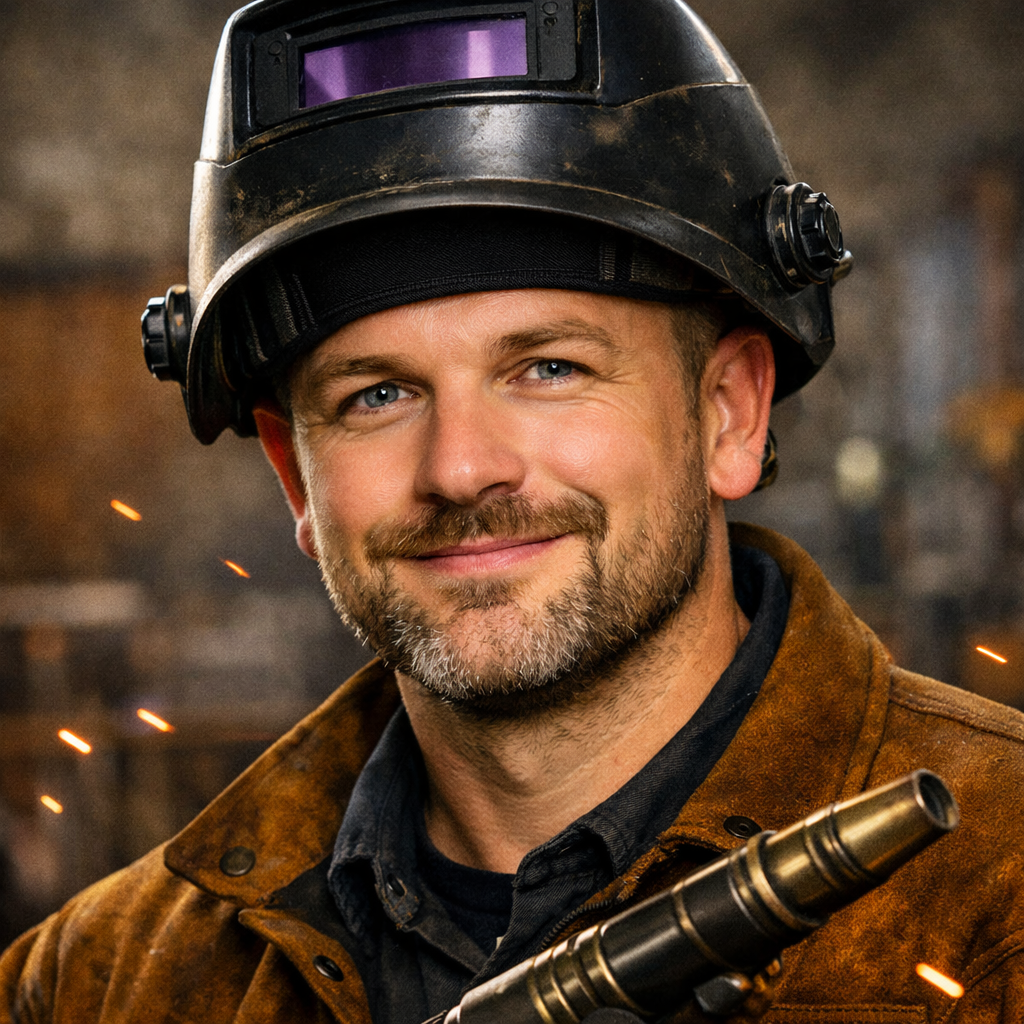
Hi, I’m Zachary Ford. I’m passionate about welding and dedicated to helping both beginners and experienced welders make informed decisions. I research, test, and write about welding helmets, welding machines, safety equipment, and essential workshop tools. My goal is to provide honest reviews, practical buying guides, and easy-to-follow tutorials that help you weld more safely, work more efficiently, and choose the right gear with confidence.