
If you’ve ever wondered how welding helmets protect your eyes while letting you see clearly, you’re not alone. Welding produces incredibly bright light and harmful radiation that can cause serious eye damage.
Yet, when you wear a welding helmet, you can watch your work with ease and confidence. How does that happen? The secret lies in the smart technology inside your helmet that reacts instantly to welding sparks. You’ll discover exactly how a welding helmet works to keep your vision safe without slowing you down.
Understanding this will help you choose the right helmet and use it with confidence every time you weld. Keep reading to learn how this essential gear protects your eyes and makes your job easier.
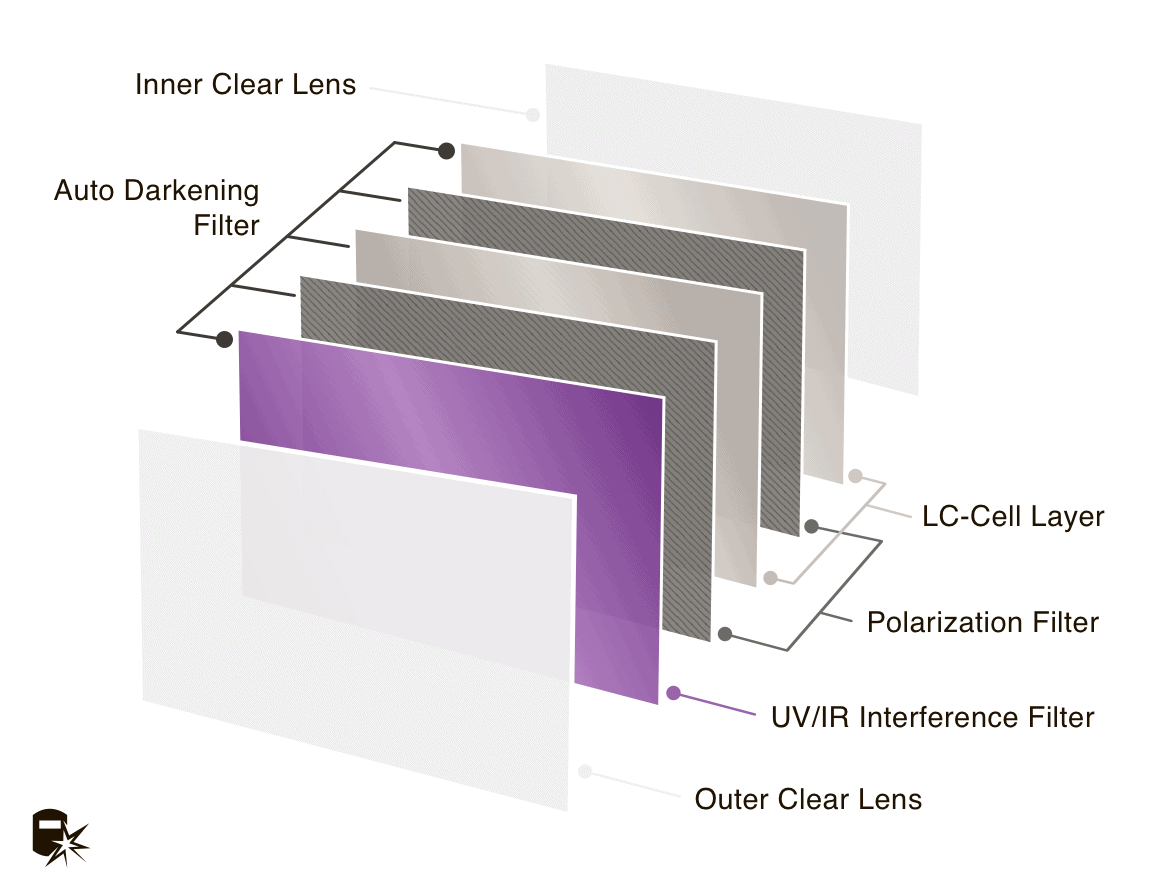
Credit: weldguru.com
Welding Helmet Types
Fixed Shade Helmets have a lens with a set dark level. They block bright light during welding but stay dark all the time. This means the welder cannot see well before starting the arc. Fixed shade helmets are simple and often less costly. They work well for steady welding tasks where light conditions do not change.
Auto-Darkening Helmets have sensors that detect the bright welding arc. The lens changes from light to dark in milliseconds. This lets welders see clearly before starting and during welding. The helmet protects eyes by darkening instantly when needed. Users can adjust the darkness level for comfort and safety. These helmets are great for varied jobs and improve work speed.
Core Helmet Technology
Arc sensors detect the bright light from welding arcs instantly. They send a signal to the helmet’s lens to darken fast. This protects the welder’s eyes from harmful rays.
The Liquid Crystal Display (LCD) inside the helmet changes shade when triggered. It shifts from clear to dark in a fraction of a second. This lets welders see clearly before and after welding.
Filters in the helmet block harmful ultraviolet (UV) and infrared (IR) light. These filters work even when the lens looks clear. They keep the eyes safe from damage during welding.
Eye And Face Protection
A welding helmet protects the welder’s eyes and face from sparks and harmful rays. It uses special filters that block UV (ultraviolet) and IR (infrared) light. These rays can cause serious damage to the eyes and skin.
The helmet’s lens changes darkness quickly during welding. This auto-darkening feature helps welders see clearly before and after welding. The helmet shell is made from strong materials. This gives heat resistance and protects against impacts from flying debris.
Welders stay safe because the helmet stops bright light and hot sparks. It also keeps the face cool from heat. This protection is vital for safe welding work.
Auto-darkening Features
The auto-darkening feature lets the welding helmet switch from light to dark quickly. This protects your eyes from bright sparks and harmful rays.
Sensitivity adjustment controls how bright the light must be to darken the lens. This helps in different lighting conditions and types of welding.
Delay settings decide how long the lens stays dark after welding stops. A longer delay protects your eyes from afterglow. A shorter delay lets you see faster.
Weld and grind modes let you switch between welding and grinding tasks. Weld mode darkens the lens for welding. Grind mode keeps the lens lighter for safe grinding work.
Viewing Window Benefits
The size of the viewing window affects how much of the work area welders see. A larger window lets welders see more without moving their head.
Clarity is also very important. Clear lenses provide a bright, sharp view. This helps welders spot tiny details while working.
Polarized lenses reduce glare from bright lights. They make the view easier on the eyes during long jobs. Clear view lenses offer a natural look without darkening, useful for tasks like grinding.
| Lens Type | Benefit |
|---|---|
| Polarized Lenses | Reduces glare and eye strain |
| Clear View Lenses | Natural, bright image for non-welding tasks |

Credit: proweldinghelmets.com
Helmet Safety Standards
Welding helmets must meet strict safety standards. These include certification requirements from organizations like ANSI and CSA. The helmet’s lens must block harmful rays and have proper shading. Auto-darkening helmets must respond quickly to welding arcs to protect eyes. Certification ensures helmets provide reliable protection and clear vision during welding.
Regular maintenance and inspection are crucial. Check the helmet for cracks, dirt, or damage every time before use. Clean the lens gently with a soft cloth to keep vision clear. Replace batteries in auto-darkening helmets as needed. Proper care extends helmet life and keeps welders safe from sparks and UV rays.
Choosing The Right Helmet
Different welding processes require different helmet features. For example, MIG and TIG welding often need helmets with variable shade settings. Stick welding usually works fine with fixed shade helmets. Choose a helmet with the right shade level to protect your eyes from harmful light.
Budget plays a big role in choosing a helmet. Basic helmets cost less but may have fewer features. Auto-darkening helmets offer more comfort and safety but are pricier. Pick a helmet that fits your needs and budget. Remember, a good helmet is an investment in your eye safety.
Common Issues And Troubleshooting
Sensor malfunctions can cause the welding helmet to not darken properly. Dirt, dust, or welding spatter may block sensors. Clean the sensors gently with a soft cloth. Check if the sensors are covered or damaged. Sometimes, low battery power causes sensor failure. Replace batteries regularly to avoid issues. Make sure the helmet is switched on and set correctly.
Lens darkening problems happen when the lens does not change shade quickly or stays dark. This can be due to a faulty auto-darkening filter. Inspect the lens for cracks or scratches. Damaged lenses need replacement. Adjust the sensitivity and delay settings to suit your welding environment. Extreme temperatures can also affect lens performance. Store the helmet in a cool, dry place when not in use.

Credit: www.youtube.com
Conclusion
A welding helmet protects your eyes from bright light and sparks. It uses sensors to detect welding arcs quickly. The lens darkens instantly to shield your vision. This lets you work safely and see clearly before welding. Choosing the right helmet helps improve comfort and focus.
Understanding how it works keeps you safe on the job. Always wear your helmet to protect your eyes well. Safety matters most in welding tasks.
Hi, I’m Zachary Ford. I’m passionate about welding and dedicated to helping both beginners and experienced welders make informed decisions. I research, test, and write about welding helmets, welding machines, safety equipment, and essential workshop tools. My goal is to provide honest reviews, practical buying guides, and easy-to-follow tutorials that help you weld more safely, work more efficiently, and choose the right gear with confidence.