
When you’re welding, your helmet is your most important piece of safety gear. But do you really know what makes up a welding helmet and how each part works to protect you?
Understanding the different parts of a welding helmet can help you choose the right one, use it properly, and keep yourself safe on the job. From the lens that shields your eyes to the headgear that keeps it snug, every component plays a vital role.
Keep reading to discover the key parts of a welding helmet and why they matter to your comfort and safety every time you weld.
Shell
The shell of a welding helmet protects the wearer from sparks, heat, and impacts. It is made from various material types such as polycarbonate, fiberglass, and thermoplastic. Each material offers different levels of impact resistance to shield the face from flying debris.
Heat protection is crucial since welding creates intense temperatures. The shell material must resist melting or warping under heat. Polycarbonate shells are popular because they provide good heat resistance and durability. Fiberglass is lightweight and strong but may cost more.
| Material Type | Impact Resistance | Heat Protection |
|---|---|---|
| Polycarbonate | High | Good |
| Fiberglass | Very High | Excellent |
| Thermoplastic | Moderate | Fair |
Lens
The lens in a welding helmet protects your eyes from bright light and sparks. There are different types of lenses to choose from:
- Passive lenses have a fixed dark shade. They are simple and affordable.
- Auto-darkening lenses change shade automatically when you start welding. This feature helps you see clearly before and after welding.
Auto-darkening features often include sensors that detect the welding arc. The lens darkens in less than a second to protect your eyes.
Lens shade ratings tell how dark the lens is. For example, a shade 10 lens blocks less light than shade 13. Different welding types need different shade levels. Always pick the right shade for your job.
Headgear
The adjustable ratchets allow easy size changes for a perfect fit. They help welders quickly tighten or loosen the helmet headgear. This feature adds convenience and custom comfort during long work hours.
Comfort padding inside the headgear reduces pressure on the forehead and temples. Soft cushions help prevent discomfort and skin irritation. This padding also absorbs sweat, keeping the helmet fresh and dry.
Fit and stability are crucial for safety. The headgear holds the helmet firmly in place, stopping it from slipping or shaking. This stability protects the welder’s face and eyes from sparks and debris.

Credit: www.weldingoutfitter.com
Sweatband
The sweatband in a welding helmet plays a key role in comfort. It can be made from foam, fabric, or silicone, each offering different benefits. Foam is soft and absorbs sweat well. Fabric types can be cotton or synthetic, which help with breathability. Silicone sweatbands are durable and easy to clean.
Good sweatbands have high moisture absorption to keep sweat away from your eyes. This helps maintain clear vision during welding. Some sweatbands use special materials that dry quickly, reducing discomfort.
Most sweatbands are designed for easy replacement. This means you can swap them out when they get dirty or worn. Replacing the sweatband often keeps the helmet fresh and comfortable for longer use.
Flip Shield
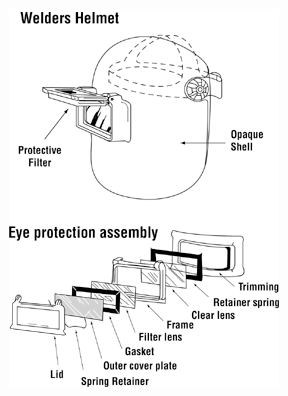
The flip shield is a movable part of a welding helmet. It allows welders to lift the darkened lens without removing the helmet. This helps when checking the work or preparing to weld.
Common designs include simple flip shields and ones with auto-darkening filters. Some flip shields have clear protective covers for extra safety.
Usage is best in situations needing quick lens changes. Welders often use flip shields for cutting, grinding, or inspection tasks. It saves time and keeps the face protected.
Side Knobs
The side knobs on a welding helmet serve two main purposes: adjustment functions and locking mechanisms. These knobs allow the user to easily change the angle and fit of the helmet. By turning the knobs, the helmet can be tilted up or down to suit the welder’s comfort and working position.
Locking mechanisms keep the helmet steady during work. Once adjusted, the knobs hold the helmet firmly in place. This prevents the helmet from moving unexpectedly, providing safety and stability. The knobs are designed to be simple to use, even when wearing gloves.
In short, side knobs help welders customize fit and secure the helmet for better protection and comfort.
Battery And Sensors
The battery powers the welding helmet’s auto-darkening feature. Many helmets use replaceable or rechargeable batteries. Some helmets also have solar panels to extend battery life.
Sensors detect the welding arc and trigger lens darkening. These sensors are usually placed near the front of the helmet. Proper sensor placement ensures quick response to bright light.
Keep sensors clean for accurate detection. Avoid scratching or covering them. Regularly check and replace batteries to maintain performance. Store the helmet in a dry place to protect the electronics. Follow manufacturer’s instructions for maintenance to prolong helmet life.
Lens Covers
Lens covers protect the welding helmet lens from sparks, dirt, and scratches. They keep the lens clear so welders can see their work properly. Over time, lens covers get damaged and need to be replaced to maintain good visibility and safety.
There are many replacement options available. Some are clear, while others have special coatings to reduce glare or increase durability. Choosing the right cover depends on the welding type and environment.
Cleaning lens covers regularly helps extend their life. Use a soft cloth and mild soap to remove dirt and debris. Avoid harsh chemicals that can damage the cover. Proper care ensures the lens stays clear and protects your eyes effectively.
Ventilation
Welding helmets often have ventilation to keep air moving inside. This helps with heat dissipation, so the helmet does not get too hot. There are different vent types, such as fixed vents and adjustable vents. Fixed vents let air flow in and out without changing. Adjustable vents can open or close to control airflow. Good ventilation improves comfort during long work sessions. It helps reduce sweat and fogging on the lens. Some helmets have small fans to boost airflow. This keeps the welder cool and focused. Ventilation also helps remove fumes and smoke. A well-ventilated helmet is safer and more pleasant to wear.
Credit: www.ccohs.ca

Credit: proweldinghelmets.com
Conclusion
Understanding the parts of a welding helmet helps you choose the right one. Each component plays a role in safety and comfort. The lens protects your eyes from bright light and sparks. The headgear keeps the helmet stable on your head.
The shell guards your face from heat and debris. Knowing these parts makes welding safer and easier. Always pick a helmet that fits well and suits your needs. Safety should never be overlooked in any welding task. Stay protected, stay focused, and weld with confidence.
Hi, I’m Zachary Ford. I’m passionate about welding and dedicated to helping both beginners and experienced welders make informed decisions. I research, test, and write about welding helmets, welding machines, safety equipment, and essential workshop tools. My goal is to provide honest reviews, practical buying guides, and easy-to-follow tutorials that help you weld more safely, work more efficiently, and choose the right gear with confidence.