
Spot welding is one of the most common methods used to join metals, especially thin sheets. If you’ve ever wondered how car bodies, metal furniture, or appliances are assembled, spot welding is often the answer. It’s a process that seems simple, but behind it lies a powerful combination of heat, pressure, and engineering.
Today, we’ll explore what spot welding is, how it works, where it’s used, and why it matters for both industry and everyday life.
Understanding Spot Welding
Spot welding is a resistance welding technique. It uses electrical current to generate heat and fuse two metal pieces together at specific points. Unlike other welding methods, spot welding does not require filler material. The process is quick, clean, and ideal for joining metals that are thin and flat.
How Does Spot Welding Work?
The basics are straightforward. Two metal sheets are placed between electrodes, usually copper because it conducts electricity well and withstands heat. When the electrodes clamp the sheets together, an electrical current passes through. This current creates heat due to the resistance of the metal, melting a small area where the sheets touch. The pressure from the electrodes holds the materials together while they cool, forming a weld nugget.
Key Components
Spot welding machines have three main parts:
- Electrodes: Usually made from copper, shaped to focus the current.
- Transformer: Converts electrical power to the needed voltage and current.
- Control System: Times the process and regulates pressure and current.
Each part plays a role in making the weld strong and consistent.
Spot Welding In Action: Step-by-step
To get a clear picture, here’s how spot welding is done in practice:
- Preparation: Metal sheets are cleaned to remove dirt, oil, or rust. Clean surfaces ensure better electrical contact and stronger welds.
- Positioning: The sheets are stacked and placed between the electrodes.
- Clamping: Electrodes close, applying pressure to hold the sheets tightly.
- Current Application: Electrical current flows for a set time (usually fractions of a second).
- Cooling: The current stops, but electrodes remain clamped briefly to let the weld solidify.
- Release: Electrodes open, and the welded sheets are ready.
This process is repeated at different spots to make multiple welds along the joint.
Where Is Spot Welding Used?
Spot welding is everywhere, though we rarely notice it. It’s especially popular in manufacturing because it is fast and reliable.
Automotive Industry
The automotive sector uses spot welding more than any other industry. Most car bodies are assembled using thousands of spot welds. This method joins thin steel sheets efficiently, creating strong structures without adding weight.
Electronics And Appliances
Many electronics and household appliances use spot welding to connect metal parts. For example, battery packs, washing machines, and refrigerators often have spot-welded joints.
Metal Furniture And Construction
Spot welding helps build sturdy metal furniture, shelving, and frameworks for buildings. It’s ideal for assembling products with thin metal parts that need precise, clean joints.
Advantages And Disadvantages Of Spot Welding
Spot welding is not perfect for every job, but it offers clear benefits for many applications. Let’s look at its strengths and weaknesses.
| Advantages | Disadvantages |
|---|---|
| Fast and efficient | Limited to thin materials |
| No filler material needed | Not suitable for thick metals |
| Clean welds | Welds are visible (not aesthetic) |
| Low production cost | Requires precise setup |
| Easy automation | Limited to overlapping joints |
Common Limitations
- Thickness: Spot welding works best for materials less than 3 mm thick. For thicker pieces, the heat doesn’t penetrate deeply enough.
- Material Type: It’s mostly used for steel and stainless steel. Aluminum and other metals require special adjustments because they conduct electricity differently.
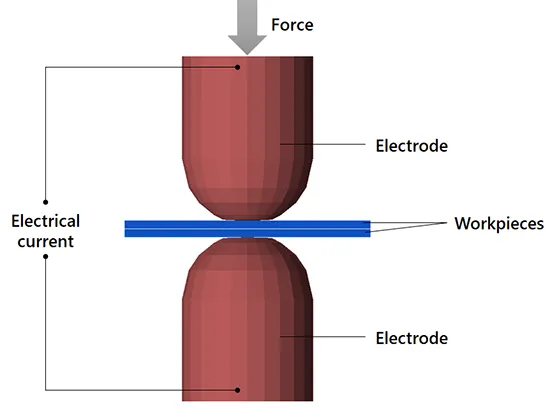
Credit: www.swantec.com
Spot Welding Vs Other Welding Techniques
How does spot welding compare to other popular methods? Here’s a quick look at the differences.
| Welding Method | Main Features | Typical Uses |
|---|---|---|
| Spot Welding | Fast, clean, no filler | Automotive, appliances |
| MIG Welding | Uses wire filler, versatile | Frames, thicker metals |
| TIG Welding | Precise, slow, clean | High-quality joints |
| Arc Welding | Manual, uses electrode | Construction, repairs |
Why Choose Spot Welding?
- Speed: Spot welding is much faster than TIG or MIG for sheet metal.
- Cost: It costs less because no filler material is needed.
- Automation: Robots can handle spot welding easily, making it perfect for mass production.
Key Parameters That Affect Spot Welding Quality
For a successful spot weld, certain factors must be controlled:
1. Current
The amount of electrical current is crucial. Too little current will not melt the metal enough. Too much can burn through, weakening the joint.
2. Pressure
Electrodes must apply the right amount of pressure. Too little pressure can cause weak welds. Too much pressure can damage the electrodes and deform the metal.
3. Time
The weld time—usually between 0.1 and 0.5 seconds—is set by the machine. Longer time can overheat the metal, while shorter time may not create a strong weld.
4. Electrode Condition
Electrodes wear out over time. Worn electrodes can make welds inconsistent or weak, so they must be replaced or maintained regularly.
Materials Used In Spot Welding
Different metals behave differently under spot welding. Here are the most common materials:
- Low-carbon steel: The easiest and most common to spot weld.
- Stainless steel: Used in food processing and medical equipment, needs higher current.
- Aluminum: Needs special electrodes and more current because it conducts electricity well.
- Nickel alloys: Used in batteries and electronics.
Not all metals are suitable for spot welding. For example, copper is rarely spot welded because it doesn’t create enough resistance to generate heat.
The Science Behind Spot Welding
Spot welding relies on the Joule heating effect. When electricity passes through a metal, resistance causes heat. This heat melts the metals at the contact point, forming a weld. The size of the weld nugget is important—it should be large enough to hold, but not so big that it weakens the material.
Weld Nugget Size
Industry standards suggest a nugget diameter of about 5 times the sheet thickness. For a 1 mm sheet, the nugget should be about 5 mm wide. This balance ensures strength without damaging the sheets.
Safety And Quality Control
Spot welding is safer than many other welding methods because it doesn’t produce open flames or dangerous fumes. However, it still requires precautions:
- Eye protection: Prevents injury from flashes or sparks.
- Gloves: Protect hands from heat and sharp edges.
- Ventilation: Removes any fumes from coatings or contaminants.
Quality control is also important. Welds must be inspected for consistency and strength. Testing methods include peel tests and destructive testing, where samples are pulled apart to check weld integrity.
Automation And Modern Uses
Spot welding is easy to automate. Most modern car factories use robots equipped with spot welding arms. This boosts speed, accuracy, and safety.
Data And Trends
- Automotive robots: Over 90% of car assembly lines use automated spot welding.
- Production speed: Robots can make hundreds of spot welds per minute.
- Global usage: Spot welding is used in over 70% of sheet metal joining operations worldwide.
Advances in control systems allow precise adjustment of current, pressure, and timing. This improves quality and reduces waste.
Common Mistakes In Spot Welding
Beginners often make mistakes that can cause weak or faulty welds. Here are some to watch for:
- Dirty surfaces: Always clean metals before welding. Dirt or rust can block current and weaken the weld.
- Wrong settings: Using incorrect current or pressure can create holes or weak joints.
- Ignoring electrode wear: Old or damaged electrodes produce inconsistent welds.
- Overlapping too much: Overlapping sheets too much can lead to poor weld formation.
One non-obvious tip: Always check the back side of the weld. Sometimes a weld looks good from the front but is weak on the back.
Real-world Examples And Case Studies
Spot welding is used in many famous products. For example, the Tesla Model 3 body is assembled using thousands of spot welds. Battery packs in electric cars use spot welding to join nickel strips to cells. Even everyday items like kitchen sinks and metal shelving rely on spot welds for strength and durability.
A study by the American Welding Society found that spot welding can produce joints with up to 80% of the strength of the base metal, provided the parameters are set correctly.
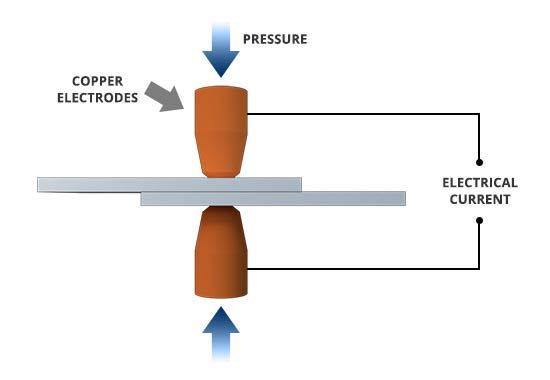
Credit: www.twi-global.com
Practical Tips For Better Spot Welding
If you’re planning to use spot welding, here are some expert tips:
- Start with clean, dry metal surfaces.
- Use the right electrode shape for your material.
- Check settings regularly, especially if you change material thickness.
- Keep electrodes in good condition; replace when worn.
- Practice on scrap metal before working on real parts.
For more in-depth technical details, you can visit the official Wikipedia Spot Welding page.
Key Takeaways
Spot welding is a fast, efficient way to join thin metal sheets. It’s a cornerstone of modern manufacturing, especially in the automotive and electronics industries. Its simplicity makes it easy to automate, but quality depends on careful control of current, pressure, and timing.
What separates spot welding from other methods is its speed and cost-effectiveness. It’s not perfect for every job—thicker metals or complex joints need other techniques—but it’s unbeatable for high-volume sheet metal assembly. Understanding the science and parameters behind spot welding can help you produce stronger, safer joints and avoid common mistakes.
Whether you’re an engineer, technician, or just curious about how everyday metal products are made, knowing about spot welding opens a window into the world of manufacturing. With careful setup and regular maintenance, spot welding delivers reliable results, making it a vital process in industry and beyond.

Credit: www.youtube.com

Hi, I’m Zachary Ford. I’m passionate about welding and dedicated to helping both beginners and experienced welders make informed decisions. I research, test, and write about welding helmets, welding machines, safety equipment, and essential workshop tools. My goal is to provide honest reviews, practical buying guides, and easy-to-follow tutorials that help you weld more safely, work more efficiently, and choose the right gear with confidence.