
Are you wondering if stainless steel can be spot welded effectively? If you’ve ever faced the challenge of joining stainless steel pieces, you know that not all welding methods work the same.
Spot welding is a popular technique for joining metals quickly and cleanly, but does it work with stainless steel? You’ll discover how spot welding applies to stainless steel, what adjustments you need to make, and the key tips to get strong, reliable welds every time.
Whether you’re a hobbyist or a professional, understanding this process will save you time and frustration. Keep reading to find out everything you need to know about spot welding stainless steel!
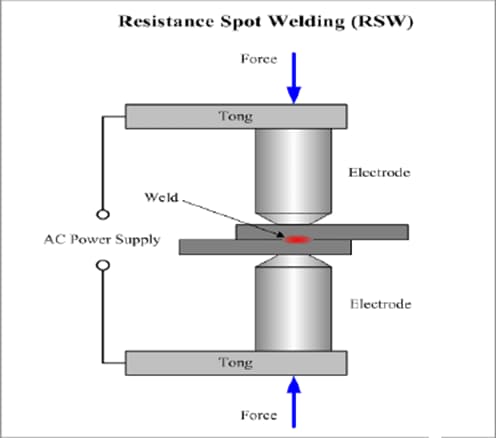
Credit: yenaengineering.nl
Spot Welding Basics
Spot welding is a popular method for joining metal sheets. It uses heat and pressure to fuse metals at small points. This technique is fast, efficient, and creates strong joints.
Understanding the basics helps decide if spot welding fits your project. It works best for thin metal sheets and offers clean, precise welds.
How Spot Welding Works
Spot welding joins two metal pieces by applying electric current. The current passes through metal sheets held tightly between two electrodes. The metal heats and melts at contact points, forming a weld nugget. Cooling solidifies the joint quickly. This process repeats at many spots for strong connections. The short welding time reduces metal distortion.
Materials Suitable For Spot Welding
Spot welding works well on metals with good electrical resistance. Steel and stainless steel are common choices. Their properties allow efficient heating and solid welds. Aluminum is harder to weld due to high conductivity. Copper, brass, and lead do not weld well with this method. Removing paint or coatings ensures better contact. Proper metal thickness also affects weld quality.
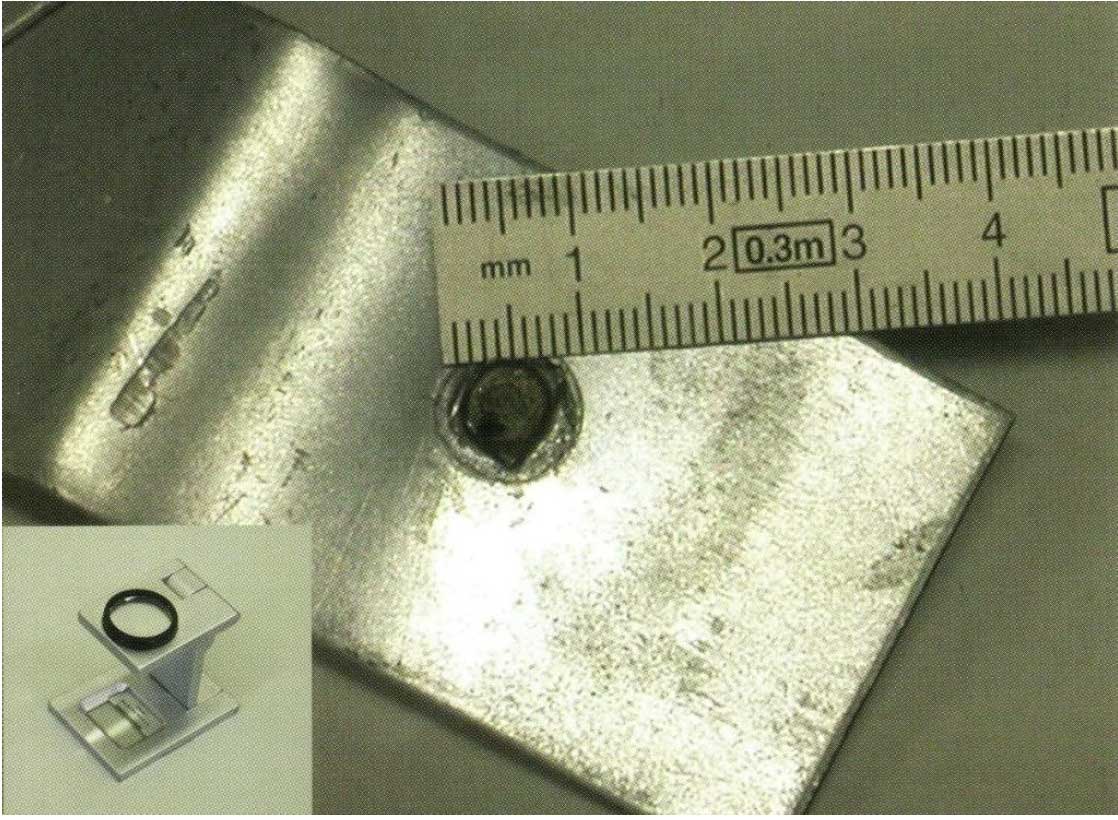
Credit: www.basicwelding.co.uk
Spot Welding Stainless Steel
Creating strong joints in stainless steel spot welding requires careful attention to detail. Proper techniques improve weld strength and durability. These methods reduce common welding problems. Focus on surface cleanliness and controlling oxidation. Both are key for lasting welds.
Surface Preparation
Clean surfaces help electricity flow better during spot welding. Remove oils, dirt, and rust before welding. Use a wire brush or chemical cleaner. Make sure the metal is dry and free of debris. Smooth surfaces ensure the electrodes make good contact. This reduces weld defects and weak spots.
Avoiding Oxidation And Sugaring
Heat causes stainless steel to oxidize quickly. Oxidation forms a layer called “sugaring” that weakens welds. Use low heat settings to control temperature rise. Shield the weld area with inert gases like argon. This blocks oxygen and prevents oxidation. Clean the welds after cooling to remove any residue. These steps keep welds strong and smooth.
Equipment And Tools
Spot welding stainless steel requires specific tools like a spot welder with adjustable settings. Clean metal surfaces help ensure strong, reliable joints. Proper equipment prevents overheating and maintains weld quality.
Spot welding stainless steel involves intense heat and sparks. Following safety rules protects you from injuries and accidents. Take safety seriously every time you weld stainless steel.
Use proper safety gear and handle heat carefully. Pay attention to your surroundings. Stay alert to avoid burns, eye damage, and fire hazards.
Protective Gear
Wear a welding helmet with a proper shade to protect your eyes. Use gloves made of heat-resistant material to shield your hands. Wear long sleeves and pants to protect your skin from sparks.
Choose boots that cover your feet completely. Avoid synthetic fabrics that can melt. Use ear protection if you work in noisy environments.
Handling Heat And Sparks
Keep a fire extinguisher nearby in case sparks ignite a fire. Work in a well-ventilated area to avoid inhaling harmful fumes. Avoid touching metal parts immediately after welding to prevent burns.
Use clamps or tools to hold hot materials. Clear the workspace of flammable items before starting. Stay focused to react quickly to any hazards.

Credit: resistance-welding.com
Frequently Asked Questions
Why Do Welders Drink Milk After Welding Galvanized Steel?
Welders drink milk after welding galvanized steel to help neutralize zinc oxide fumes. Milk coats the stomach lining, reducing irritation and discomfort from toxic fumes.
What Metals Cannot Be Spot Welded?
Metals like copper, brass, aluminum, lead, silver, and zinc cannot be effectively spot welded due to low electrical resistance or melting issues.
What Is The Cost Of Spot Welding Machine For Stainless Steel?
The cost of a spot welding machine for stainless steel ranges from $300 to over $5,000. Prices vary by capacity and features.
How To Join Stainless Steel Without Welding?
Join stainless steel without welding by using mechanical fasteners, adhesive bonding, or brazing for strong, clean connections.
Conclusion
Stainless steel can be spot welded effectively with the right tools. Clean the metal surface before welding to ensure a strong bond. Adjust heat and timing based on the metal’s thickness. Spot welding creates quick, durable joints without needing extra materials.
This method works well for many stainless steel projects. With proper care, spot welding stainless steel is both practical and reliable.

Hi, I’m Zachary Ford. I’m passionate about welding and dedicated to helping both beginners and experienced welders make informed decisions. I research, test, and write about welding helmets, welding machines, safety equipment, and essential workshop tools. My goal is to provide honest reviews, practical buying guides, and easy-to-follow tutorials that help you weld more safely, work more efficiently, and choose the right gear with confidence.