
Are you curious about what a spot welder actually does and why this tool is so important in industries like automotive and electronics? Understanding the role of a spot welder can open your eyes to how everyday metal products are joined quickly and securely.
Whether you’re considering a career in welding, working on a DIY project, or just want to know how things are made, knowing how spot welding works, and what a spot welder’s job involves, can be surprisingly useful. You’ll discover the key tasks a spot welder performs, why precision matters, and how this technique saves time while producing strong, reliable metal bonds.
Keep reading to see how this simple yet powerful process might just change the way you look at metalwork.
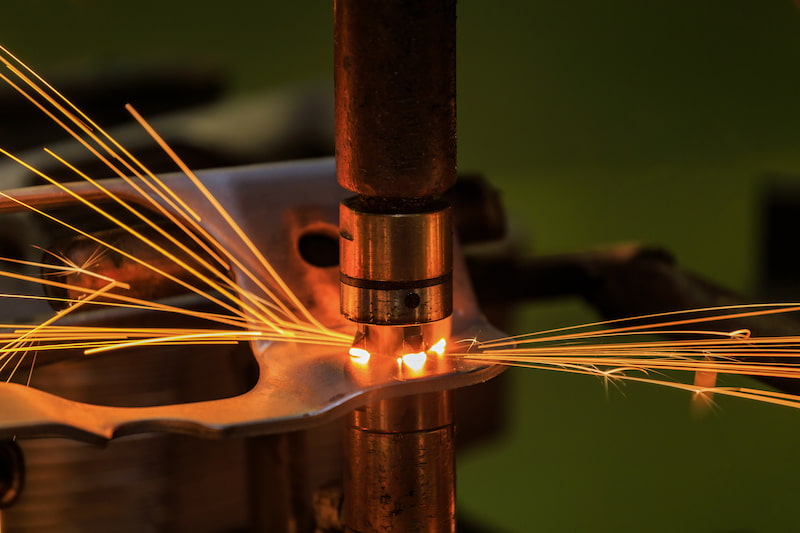
Credit: fractory.com
Spot Welding Process
Mastering spot welding requires careful attention and steady practice. This skill blends precision with timing to create strong, clean welds. Understanding key techniques and equipment care helps improve your results and efficiency.
Practice Techniques
Start with scrap metal to build your confidence. Focus on controlling the pressure between the electrodes. Keep the welding time consistent to avoid weak spots. Try different metal thicknesses to understand heat flow. Repeat the process to develop steady hand movements. Use clear marks to guide electrode placement. Watch how the metal changes during each weld. This helps you adjust your technique quickly.
Maintaining Equipment
Clean the electrodes regularly to prevent buildup. Check the electrode tips for wear or damage. Replace worn tips to ensure good contact. Keep the spot welder free from dust and dirt. Inspect cables and connections before each use. Proper maintenance extends the machine’s life. It also keeps weld quality high and consistent.
Troubleshooting Common Issues
Look for weak or inconsistent welds first. Check if the electrodes are aligned properly. Confirm that pressure settings match the metal thickness. Clean or replace dirty or worn electrodes. Test the machine’s power supply and settings. Adjust welding time if welds are burning or weak. Regular checks reduce errors and improve weld strength.

Credit: yeswelder.com
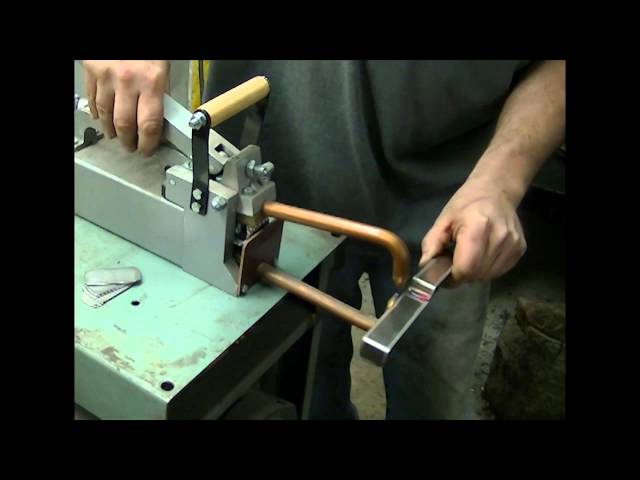
Credit: www.youtube.com
Frequently Asked Questions
What Is A Spot Welder Good For?
A spot welder quickly joins thin metal sheets by applying heat through electrical resistance. It suits automotive, battery, and appliance assembly.
How Much Do Spot Welders Make?
Spot welders earn between $30,000 and $55,000 annually, depending on experience and location. Skilled welders may earn higher wages.
Is Spot Welding Difficult?
Spot welding is not difficult but requires practice to master. Proper electrode alignment and pressure ensure strong, consistent welds.
What Metals Cannot Be Spot Welded?
Silver, copper, lead, and zinc cannot be spot welded effectively due to their high thermal conductivity and melting points.
Conclusion
Spot welders join metal pieces quickly and securely using electricity. They work best on thin metal sheets. Precise pressure and timing ensure strong connections. Spot welding plays a key role in car making and battery production. Learning to use a spot welder needs practice and care.
This skill helps create durable metal products every day. Understanding what a spot welder does shows its importance in many industries.

Hi, I’m Zachary Ford. I’m passionate about welding and dedicated to helping both beginners and experienced welders make informed decisions. I research, test, and write about welding helmets, welding machines, safety equipment, and essential workshop tools. My goal is to provide honest reviews, practical buying guides, and easy-to-follow tutorials that help you weld more safely, work more efficiently, and choose the right gear with confidence.