
I struggled with a thin steel joint on a bench frame, stopping again and again just to grind and restart. The puddle wouldn’t settle, penetration was inconsistent, and I kept asking myself, do you push or pull when TIG welding, because whatever I was doing wasn’t working. Everyone in the shop had a different answer, which only made it more frustrating.
After burning plenty of tungsten and laying down ugly beads, it became clear that torch direction isn’t a small detail. It directly affects heat control, visibility, penetration, and how clean your weld turns out. Get it wrong and you waste filler, time, and material. Get it right and your welds suddenly look calmer and more controlled.
If you want smoother beads and fewer do-overs, let me walk you through what actually works, and when breaking the “rule” makes sense.
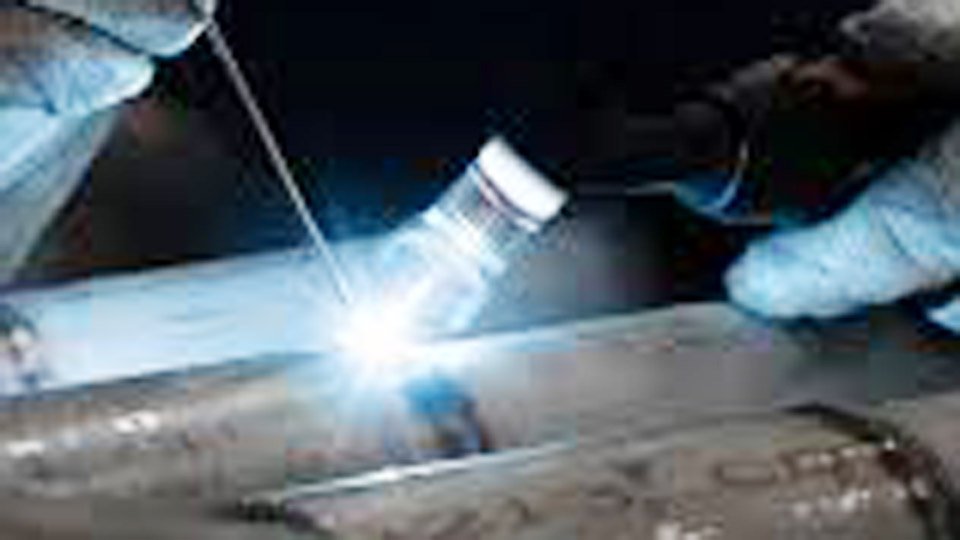
Photo kemppi
Push and Pull Techniques in TIG Welding
TIG welding, or Gas Tungsten Arc Welding, uses a non-consumable tungsten electrode to create an arc, with filler rod added manually. The key here is how you maneuver the torch relative to your travel direction—it dictates everything from heat distribution to filler integration.
What Pushing the Torch Really Means
Pushing means angling your torch forward, typically at 5 to 15 degrees from vertical, so the arc points in the direction you’re welding. You’re essentially shoving the weld puddle along the joint, with the torch leading the way. This setup lets the shielding gas (argon or helium mix) blanket the area ahead, keeping contaminants at bay.
How it works: As you depress the foot pedal to start the arc, the heat melts the base metal ahead, forming a puddle that you guide forward. You dab the filler rod into the leading edge of that puddle, building the bead as you go. It’s smooth and controlled, like herding a flock rather than chasing it.
When to use it: Pretty much always in TIG, especially on flat or horizontal positions for materials like stainless steel or aluminum. Why? It gives you better visibility of the joint ahead, reduces spatter, and ensures even penetration without burning through thin stock.
In my experience, pushing is a lifesaver on 16-gauge sheet metal repairs—too much heat buildup from pulling, and you’d warp the panel beyond salvage.
Practical tip: Brace your torch hand against the workpiece or a steady rest for stability. Keep your tungsten about 1/8 inch from the metal; any farther, and you’ll lose arc focus, leading to wandering puddles.
What Pulling the Torch Involves—and Why It’s Tricky
Pulling, or dragging, flips the script: you angle the torch back toward you at 5 to 15 degrees, trailing the puddle as you move away from the weld direction. The arc follows behind, heating the metal you’ve already passed over.
How it works: The puddle forms behind the torch, and you pull it along like dragging a rake. Filler gets added to the trailing edge, but gas coverage lags, often exposing the hot metal to air.
When and why: Honestly, pulling is rare in TIG, maybe for autogenous welds (no filler) on thick sections where you need deeper penetration, or in tight corners where pushing isn’t feasible. I’ve pulled on some overhead steel repairs to fight gravity, but it’s not my first choice.
It can work for beginners practicing puddle control since you see the bead forming right under your nose, but it risks porosity if gas doesn’t shield properly.
Shop-floor tip: If you’re forced to pull, crank up your gas flow to 20-25 CFH to compensate, and watch for sugaring (oxidation) on the back side of stainless.
Common mistake? Dipping filler too deep and contaminating your tungsten—grind it sharp again immediately.
Why Pushing Dominates TIG Welding in the Real World
From my days welding exhaust systems in auto shops to fabricating custom railings, pushing has proven itself time and again. It’s not just tradition; it’s about optimizing the process for clean, strong welds.
First off, gas shielding is king in TIG. Pushing lets the cup direct argon straight onto the upcoming joint, creating a protective bubble that prevents hydrogen embrittlement or nitride formation. I’ve had jobs where a single porous spot from poor coverage meant scrapping a whole assembly, costly in time and materials.
Penetration-wise, pushing gives a shallower, wider bead ideal for thin metals. On aluminum, which conducts heat like crazy, this prevents burn-through and distortion. I remember a project welding boat hull patches: pushing at 80-100 amps on 1/8-inch stock kept warpage minimal, saving hours on straightening.
Visibility is another big win. With the torch ahead, you spot joint gaps or contaminants before they hit the arc. Pulling blinds you to what’s coming, leading to surprises like oil residue flashing up.
Why it matters in real situations: Safety first—pushing reduces arc glare in your face, cutting eye strain during long sessions. For pros, it speeds up production without sacrificing quality; hobbyists avoid frustrating do-overs. If you’re a student, nail pushing early—it builds muscle memory for advanced techniques like walking the cup.
Rare Scenarios Where Pulling Might Make Sense
I’m not saying never pull, but treat it like a specialty tool in your kit. On thick carbon steel plates over 1/4 inch, pulling can drive heat deeper for better fusion in root passes, especially if you’re fusing without filler. I’ve used it on pipeline repairs where penetration was critical to pass X-ray inspections.
In out-of-position welding, like vertical up on stainless, pulling helps control the puddle against gravity, preventing drips. But even then, I’d hybrid it—start pushing, switch if needed.
Word of caution: Pulling amps up the risk of tungsten inclusion if your angle’s off. Always test on scrap; I once pulled on titanium and ended up with brittle spots from inadequate shielding—lesson learned, back to pushing.
Step-by-Step Guide to Mastering the Push Technique
Grab your helmet, gloves, and a clean workpiece—say, two 1/8-inch mild steel plates butted edge-to-edge.
Prep the joint: Bevel edges at 30 degrees for better penetration, then wire brush and wipe with acetone. Contaminants are the enemy.
Set up your machine: For steel, use DCEN polarity, pure argon at 15-20 CFH. Electrode: 3/32-inch thoriated tungsten, sharpened to a point. Amperage: Start at 100-120 amps for 1/8-inch material; adjust via foot pedal.
Position yourself: Sit comfortably, brace your torch arm. Hold the torch at 75-80 degrees, filler in your other hand at 10-15 degrees to the joint.
Strike the arc: Hover tungsten 1/8 inch above, pedal down gently to form a small puddle. No scratching—use high-frequency start.
Push forward: Move the torch steadily at 4-6 inches per minute, dabbing filler into the leading edge every half-second. Keep the puddle dime-sized; if it grows, ease off the pedal.
Maintain rhythm: Dab, move, pause—let the puddle solidify slightly for that stacked-dime look. Watch for color changes; steel should stay bright without blackening.
End the weld: Taper amps down, hold torch over the crater for post-flow (10-15 seconds) to shield cooling metal.
Pro tip: Practice without filler first. Run beads on scrap to feel the push motion. If the puddle wanders, check your tungsten sharpness—dull points scatter the arc.
Electrode Diameters and Amperage Ranges for Push TIG
Choosing the right setup is half the battle. Tungsten diameter affects arc stability; too thin, it overheats; too thick, it’s sluggish.
For pushing on mild steel:
- 1/16-inch tungsten: 50-150 amps, great for thin sheets under 1/8 inch.
- 3/32-inch: 100-250 amps, versatile for 1/8 to 1/4 inch.
- 1/8-inch: 200-400 amps, heavy plate.
On aluminum (AC polarity):
- Same diameters, but amps 20% higher due to oxide layer. Push at 120-180 for 1/8-inch.
Filler rods: Match base metal—ER70S-6 for steel, 1/16 to 3/32 diameter. Thicker rods for higher amps to avoid melting too fast.
I once undersized my tungsten on a high-amp aluminum job—arc wandered like crazy, ruining the bead. Switched to 3/32, pushed steadily, and it laid perfect.
Common Mistakes Beginners Make—and How to Fix Them
Even seasoned welders slip up, but spotting issues early saves headaches.
Mistake 1: Wrong angle—too steep, and gas misses the puddle; too shallow, arc spreads. Fix: Practice 10-15 degree push; use a mirror to check.
Mistake 2: Inconsistent speed. Rushing skips penetration; dawdling burns through. Fix: Time your travel; aim for uniform bead width.
Mistake 3: Contaminating tungsten by dipping filler wrong. Fix: Dab only the rod tip into the puddle’s front; keep it low.
Mistake 4: Ignoring material prep. Dirt leads to porosity. Fix: Always clean 1 inch around the joint.
A trainee pulled on stainless once, got sugaring inside the pipe—had to cut and reweld. Switched to push, problem solved.
Pros and Cons of Pushing in TIG Welding
Like any technique, pushing has trade-offs, but the upsides outweigh for most jobs.
Pros:
- Superior gas coverage reduces defects.
- Better for thin materials, minimizing distortion.
- Enhanced visibility and control.
- Cleaner aesthetics with even ripples.
Cons:
- Shallower penetration on thick stock—may need multi-pass.
- Requires steady hand; no resting on the work like pulling.
- Slower on heavy sections compared to pull’s heat focus.
In practice, pros shine on precision work like medical equipment frames I’ve welded—no room for error.
Push vs. Pull Comparison Table
Here’s a quick side-by-side for reference—print it out for your shop wall.
| Aspect | Push Technique | Pull Technique |
|---|---|---|
| Gas Coverage | Excellent, shields ahead | Poor, exposes leading edge |
| Penetration | Shallow and wide | Deep and narrow |
| Best For | Thin metals, aluminum, aesthetics | Thick sections, autogenous welds |
| Visibility | Good ahead of puddle | Excellent on forming bead |
| Common Issues | Less spatter, but needs steady speed | Porosity, tungsten contamination |
| Speed | Moderate to fast | Slower due to heat buildup |
| Positions | Flat, horizontal, vertical | Overhead, vertical for control |
Use this to decide based on your job—90% of the time, push wins for TIG.
Material-Specific Tips for Pushing in TIG
Materials behave differently, so tweak your push accordingly.
For mild steel: Push at 100-150 amps with ER70S-2 filler. Joint prep: Tight fit-up, no gaps over 1/16 inch. Tip: Add a slight weave for wider beads on fillets.
Aluminum: AC balance at 60-70% electrode negative. Push gently to break oxides; 150-200 amps on 3/16 inch. On aircraft parts, pushing prevented cracks that pulling’s heat would’ve caused.
Stainless: DCEN, argon-helium mix for hotter arc. Push at 80-120 amps; back-purge pipes to avoid oxidation. Fix bad welds: Grind out porosity, re-push with fresh filler.
Titanium: Pure argon, enclosed chamber if possible. Push slow to control heat—over 300 amps risks embrittlement.
Always match filler compatibility: Wrong alloy, and you’ll get cracking under stress.
Joint Preparation and Filler Compatibility Essentials
Good welds start before the arc. For butt joints, bevel 60 degrees total; V-grooves for thicker stuff.
Filler: ER308L for 304 stainless—low carbon prevents carbide precipitation. Diameter: Half the material thickness for control.
Store rods dry; moisture causes hydrogen cracks. I’ve seen jobs fail inspection from rusty filler—now I seal them in tubes.
Safety Considerations When Pushing TIG
Don’t skimp here—I’ve dodged close calls. Always wear leather gloves, auto-darkening helmet (shade 10-12), and respirator for fumes.
Pushing keeps the arc away from your face, but watch UV burns on exposed skin. Ventilate argon buildup—it’s heavier than air, displaces oxygen.
Electrical: Ground properly; wet floors amplify shocks. Post-weld: Let metal cool naturally to avoid cracks.
Pro reminder: Annual eye checks—arc eye from poor technique hurts like hell.
Lessons from the Shop: My TIG Push Stories
Back in ’08, I was on a rush job welding titanium bike frames. Tried pulling for deeper root—ended up with contaminated beads, failed the dye test. Switched to pushing at lower amps, dabbing precisely, and it passed with flying colors. Saved the client’s deadline.
Another time, teaching a hobbyist on aluminum: He kept pulling, got warps. Showed him push rhythm—his next bead was textbook. Small wins build confidence.
These aren’t theory; they’re hard-earned. Pushing TIG isn’t flashy, but it delivers reliable results every shift.
Wrapping Up
Mastering push technique equips you to tackle diverse jobs with confidence, from hobby repairs to pro fabrications. You’ll spot issues faster, waste less material, and produce beads that hold up under load. Always run a test bead on scrap matching your project—it reveals setup tweaks before committing to the real thing. Stay safe out there, and keep that arc steady.
FAQs
Can I switch between push and pull mid-weld in TIG?
Not recommended—it disrupts puddle flow and gas coverage. Stick to push for consistency; if pulling’s needed, plan the whole pass that way on test pieces first.
What amperage should I use when pushing TIG on thin aluminum?
Start at 80-120 amps for 1/16-inch sheet, adjusting with the pedal. Too high, and you’ll burn through; monitor puddle size and push slower for control.
Why do my TIG welds have porosity when I try pulling?
Pulling often leaves the leading puddle edge unshielded, letting air in. Boost gas to 25 CFH and switch to push—I’ve fixed countless porous beads this way.
How do I choose the right tungsten diameter for pushing?
Match to amps: 1/16-inch for under 150, 3/32 for 150-250. Sharpen to 2.5x diameter length for a focused arc during push motion.
Is pushing better for vertical TIG welds?
Yes, it counters gravity by directing heat upward. Use lower amps, shorter dabs, and a slight weave to stack the bead without sagging.

Hi, I’m Zachary Ford. I’m passionate about welding and dedicated to helping both beginners and experienced welders make informed decisions. I research, test, and write about welding helmets, welding machines, safety equipment, and essential workshop tools. My goal is to provide honest reviews, practical buying guides, and easy-to-follow tutorials that help you weld more safely, work more efficiently, and choose the right gear with confidence.