
If you’ve ever tackled auto body repairs or metalwork, you know that spot welds can be a real challenge. Breaking spot welds cleanly without damaging the metal underneath is key to making your repair smooth and hassle-free.
But how do you do it right? Whether you’re a DIY enthusiast or a professional, learning the best methods to remove spot welds will save you time, effort, and frustration. You’ll discover simple, effective techniques and the right tools to break spot welds safely and efficiently.
Stick with me, and you’ll soon handle spot weld removal like a pro.
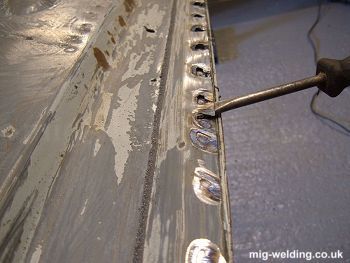
Credit: www.mig-welding.co.uk
Tools For Spot Weld Removal
Finding spot welds is the first step in breaking them safely. Spot welds join two metal panels by pressing and melting the metal together at small points. They often hide under paint or primer, making them hard to see. Locating these welds correctly helps avoid damage to the surrounding metal during removal. It also makes the job quicker and cleaner.
Sanding To Reveal Welds
Sanding is a simple way to find spot welds. Use a sanding disc or sandpaper to remove paint and primer from the metal surface. Sand gently in the area where panels join. The spot welds will appear as small, round marks or slight indentations. These marks stand out because the metal is thicker at the weld points. Take care not to sand too deep or damage the metal below the paint.
Using A Center Punch
A center punch helps mark spot welds for easy identification. Lightly tap the punch over the suspected weld spots. This creates small dents on the surface, marking the exact location of each weld. These marks guide your cutting or drilling tools. Using a center punch reduces slipping and improves accuracy. It also helps when the welds are not visible after sanding. Always wear safety glasses when using a center punch to protect your eyes.

Credit: www.youtube.com
Locating Spot Welds
Breaking spot welds requires the right technique to avoid damage. Different methods work for various situations. Choosing the right approach saves time and effort. Below are common techniques for breaking spot welds safely and cleanly.
Drilling Out Welds
Drilling out spot welds is a simple and cost-effective method. Use a drill with a metal bit slightly larger than the weld size. Drill directly into the center of the weld. This breaks the weld and separates the panels. Take care not to drill too deep and damage the base metal. Wear safety glasses to protect your eyes from metal shavings.
Cutting With An Angle Grinder
An angle grinder with a cut-off wheel can cut through spot welds quickly. Position the grinder at the weld and cut carefully. Keep the wheel steady to avoid gouging the metal underneath. This method is faster but requires a steady hand. Always wear gloves and a face shield for safety.
Using A Spot Weld Cutter
A spot weld cutter is designed to remove welds cleanly and efficiently. It has a special tip that drills through the weld without harming the panels. This tool leaves a small hole that is easy to fill later. Spot weld cutters come in various sizes to match different weld diameters. They are ideal for precise and clean removal.
Separating Panels Safely
After breaking the welds, separate the panels gently. Use a flat chisel or pry bar to avoid bending the metal. Work slowly and apply even pressure along the weld line. Check for any remaining welds before pulling the panels apart. Proper separation helps keep the panels intact for reuse or repair.
Techniques For Breaking Spot Welds
Finishing and cleanup are key steps after breaking spot welds. These steps ensure the metal is smooth and ready for the next phase. Proper cleanup prevents damage and helps achieve a strong weld later. Taking time to finish well saves effort down the line.
Grinding Remaining Metal
Use a grinder to remove leftover weld metal. Grind gently to avoid thinning the panel. Focus on flattening the surface so it feels even. Stop grinding once the metal is smooth to the touch. Avoid grinding too deep, which can weaken the metal. Clean the area with a brush to clear dust and debris.
Preparing Surfaces For Rewelding
After grinding, clean the surfaces with a degreaser. Remove all oil, dirt, and rust for the best weld. Lightly sand the edges to create a rough surface. This helps the new weld stick better. Ensure the panels fit tightly without gaps. Proper preparation leads to stronger, lasting welds.

Credit: www.reddit.com
Frequently Asked Questions
How To Break A Spot Weld?
Use a spot weld cutter or drill to cut the weld’s top layer. Then, pry panels apart with a chisel or air hammer. Grind leftover metal smooth.
How Do You Remove A Spot Weld Without A Cutter?
Remove a spot weld without a cutter by drilling through the weld with a high-speed steel bit. Then, gently pry the panels apart using a chisel or flat tool. Grind any leftover metal for a smooth finish. Work carefully to avoid damaging the base metal underneath.
What Is The Best Tool To Remove Spot Welds?
The best tool to remove spot welds is a spot weld cutter paired with an air hammer or chisel to separate panels cleanly.
How To Grind Down Spot Welds?
Use an angle grinder with a grinding disc to carefully grind down spot welds. Grind until the weld is flush with the metal surface. Avoid grinding too deep to prevent damage. Wear safety gear and work steadily for a smooth finish.
Conclusion
Breaking spot welds can be simple with the right tools and care. Use grinders, drills, or spot weld cutters for best results. Always protect the metal underneath from damage. Take your time and follow safety steps closely. Practice makes the process smoother and easier.
This skill helps in auto repair and metal work projects. Keep your workspace clean and organized for efficiency. Stay patient, and the job will get done well.

Hi, I’m Zachary Ford. I’m passionate about welding and dedicated to helping both beginners and experienced welders make informed decisions. I research, test, and write about welding helmets, welding machines, safety equipment, and essential workshop tools. My goal is to provide honest reviews, practical buying guides, and easy-to-follow tutorials that help you weld more safely, work more efficiently, and choose the right gear with confidence.