
Transparency first: we are an Amazon Associate and may earn from qualifying purchases made through the affiliate links on this page. Your price does not change.
Choosing the right spot welder copper electrodes is essential for clean welds, whether you are repairing battery packs or working with sheet metal. For most users needing a standard replacement for automotive-style tongs, the Spot Welding Tips M8 is a reliable starting point.
What Actually Matters
Machine Thread Compatibility
The thread size must match your welding tongs exactly. Using the wrong thread can strip your equipment or prevent a proper electrical connection. Before you buy, check your existing tips for markings or use a thread gauge to confirm if you need an M8-1.25 or another standard.
Electrode Material Composition
Different alloys handle heat and sticking differently. Standard copper is common, but alumina copper is designed to resist sticking to materials like nickel or stainless steel. When choosing, consider if you need the longevity of harder alloys or the high conductivity of pure copper for your specific metal.
Tip Shape and Geometry
Flat, pointed, and ball heads serve different purposes. Pointed tips concentrate current for small, precise spots, while flat heads are better for distributing pressure on wider surfaces. Ensure the shape you select aligns with the thickness and type of metal you’re welding to avoid poor joints.
Duty Cycle and Durability
Some electrodes are built for heavy-duty production, while others are for occasional hobby use. High-temperature properties are vital if you plan on long sessions.
1. 1/8″ Spot Welding Tips M8-1.25 Thread

Best for: Standard replacement for M8-1.25 metric thread welding tongs.
These tips are CNC Swiss machined from a C18200 chromium copper alloy. The listing doesn’t mention the intended balance of hardness and conductivity for this alloy. Because they’re designed as a direct replacement for existing M8 systems, they’re straightforward to install if your equipment already uses this specific thread.
This product isn’t for users who need specialized shapes like ball or pointed heads, as the listing only specifies the standard 1/8″ size. If your machine uses a different thread standard or requires a non-standard tip geometry, these won’t fit your setup.
Pros
- CNC Swiss machined for consistent quality
- Made in the U.S.A.
- Uses standard C18200 chromium copper alloy
Cons
- Only available in a single standard shape
2. Spot Welding Needles 10pcs Copper Electrode Head Spot Welder Tips

Best for: Diverse battery pack assembly and repair tasks.
This kit provides a variety of shapes including flat, ball, and pointed heads, which is helpful for different battery types like 18650 or 21700 cells. The range of sizes allows you to adjust your approach based on the specific nickel-plated sheets you’re working with.
The listing doesn’t mention industrial steel welding suitability.
Pros
- Includes 10 pieces in various sizes
- Offers multiple head shapes for versatility
- Designed for common cylindrical lithium batteries
Cons
- Not intended for industrial metal fabrication
3. Acxico 2pcs 3 * 100mm Alumina Copper Welding Pin Soldering
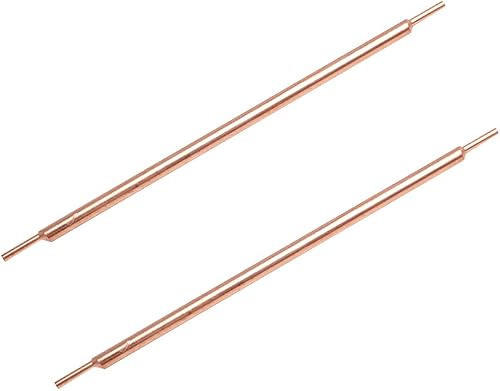
Best for: Welding stainless steel or nickel without sticky electrodes.
These pins are made from alumina copper, which is designed to resist the “sticky electrode” phenomenon often encountered when welding materials like stainless steel or galvanized steel. They aim to prevent the workpiece from yellowing and help maintain a clean solder joint appearance.
Pros
- Excellent thermal and electrical conductivity
- Resists sticking to galvanized and nickel materials
- Designed for high-temperature performance
Cons
- Specific to specialized metal welding
4. Sunstone Copper Glidcop Battery Welding Electrodes

Best for: Users requiring Glidcop performance for specific battery welders.
This product isn’t for users who need a variety of shapes, as the listing is limited to the.125 size. Without explicit details on thread or geometry in the listing, you should verify your machine’s compatibility before purchasing.
Pros
- Uses specialized Glidcop material
- Built for battery welding applications
Cons
- No specific shape or thread details provided
5. Miller 040211 Standard Spot Welder Tips

Best for: Professional grade needs for Miller-compatible equipment.
The listing doesn’t mention compatibility with Miller welding tongs.
These aren’t for users who own non-Miller welding systems unless they have confirmed the thread and size compatibility. If you’re using a generic or imported welder, these tips may not seat correctly in your existing tongs.
Pros
- Official Miller branding
- Consistent with standard professional equipment
Cons
- Limited to Miller-style equipment compatibility
Who Should Buy Which
If you’re a professional using Miller equipment, stick with the Miller Standard Welder Tips to ensure factory-spec performance. For those building custom battery packs, the Copper Spot Welding Needles offer the best variety of shapes for different cell sizes. If you struggle with tips sticking to your work, the Acxico Alumina Copper Pins are the best choice. Finally, for standard automotive or general shop welding, the Spot Welding Tips M8 is the most common fit.
Mistakes That Catch Buyers Out
- Assuming all 1/8″ tips use the same thread size, which leads to damaged tongs.
- Choosing a tip shape that doesn’t match the thickness of your metal.
For most users, the Spot Welding Tips M8 is the most reliable choice for general shop work. Always measure your thread pitch with a gauge before ordering.
Related guides
- How To Clean Galvanized Metal Before Painting (Prep Steps)
- How to Remove Spot Welds Easy Steps for Clean Smooth Auto Body Results
- How To MIG Weld Exhaust Pipe: Leak-Free, Clean Welds
Frequently Asked Questions
Can I sharpen these copper tips myself?
You can generally dress or sharpen copper tips using a fine file or sandpaper to maintain the desired shape. However, be careful not to remove too much material, as this changes the pressure and current density at the weld point.
How do I know if my tips are worn out?
You’ll notice the tips becoming mushroomed, pitted, or blackened, which leads to inconsistent welds. When the tip surface is no longer flat or pointed as intended, it’s time to replace them for better performance.
Is alumina copper better than standard copper?
Alumina copper is generally better at resisting heat and sticking, especially when welding stainless steel or nickel. Standard copper is highly conductive but may wear quickly or stick more easily when welding these specific materials.
Can I use these tips for aluminum welding?
Spot welding aluminum is complex and often requires specific equipment and electrode materials. While some alumina copper pins are designed for it, always verify your machine’s manual to ensure it’s capable of handling the high current demands of aluminum.
What is the difference between M8 and other threads?
The thread measurement refers to the diameter and pitch of the screw. M8-1.25 is a common metric standard, but many welders use different imperial threads, so you must check your specific equipment’s manual or current tips.
Conclusion
Keeping your tips clean and properly shaped will make a world of difference in your results. If you notice your welds starting to stick or discolor, it’s time to dress the surface with a fine file. You’ll find that a little bit of regular maintenance goes a long way toward perfect connections.

Hi, I’m Zachary Ford. I’m passionate about welding and dedicated to helping both beginners and experienced welders make informed decisions. I research, test, and write about welding helmets, welding machines, safety equipment, and essential workshop tools. My goal is to provide honest reviews, practical buying guides, and easy-to-follow tutorials that help you weld more safely, work more efficiently, and choose the right gear with confidence.