
If you’re working with batteries, you know how important strong, reliable connections are. But buying a professional spot welder can be expensive and complicated.
What if you could build your own spot welder right at home, using simple materials and clear steps? Imagine the freedom to create battery packs or repair cells with a tool you made yourself. In this guide, you’ll discover how to build a spot welder for batteries that’s both powerful and budget-friendly.
Stick with me, and by the end, you’ll have the know-how to weld metal strips and battery tabs like a pro, no expensive gear required. Ready to take control of your battery projects? Let’s dive in!
Materials And Tools
Building a spot welder for batteries requires the right materials and tools. Choosing quality components ensures strong welds and safe operation. This section covers essential items for assembling your spot welder.
Each part plays a key role in making the welder effective and reliable. Prepare your workspace and gather these materials before starting your project.
Battery Selection
Select batteries with high discharge rates to supply enough current. Lithium-ion or lead-acid batteries work well for spot welding. Use batteries with low internal resistance for efficient power delivery. Always check the battery voltage and capacity to match your welder’s needs. Proper battery choice affects weld quality and machine life.
Welding Tips And Electrodes
Use copper or copper alloy tips for good electrical conductivity. The tips should be smooth and well-shaped to focus current on the weld spot. Replace worn or pitted tips to maintain weld strength. Electrodes must withstand high heat and pressure without deforming. Proper tip maintenance ensures consistent welds and prolongs tool life.
Switches And Wiring
Install heavy-duty switches capable of handling high current loads. Use thick gauge wiring to prevent overheating and voltage drops. Secure all connections tightly to avoid sparks or power loss. Consider using a foot pedal switch for hands-free control. Reliable switches and wiring improve welder performance and safety.
Safety Gear
Wear safety glasses or a welding helmet to protect eyes from sparks. Use insulated gloves to prevent electric shocks and burns. Work in a well-ventilated area to avoid inhaling fumes. Have a fire extinguisher nearby for emergencies. Proper safety gear reduces risks and keeps you safe during welding.
Basic Spot Welder Design
Building a spot welder for batteries starts with a simple design. The basic setup uses high current to join thin metal sheets. This section explains the core parts of a spot welder. Understanding these parts helps you create a safe and effective tool.
The design focuses on controlling power and current flow. Proper control ensures strong welds without damaging battery cells. Let’s explore the main elements of a basic spot welder.
Understanding The Circuit
A spot welder circuit delivers a short burst of high current. This heats and melts the metal where the electrodes touch. The circuit usually includes a power source, control switch, and electrodes. A timer or controller limits welding duration. This prevents overheating and damage. Simple circuits use relays or transistors to switch current on and off quickly.
Choosing Power Sources
Power sources must provide high current at low voltage. Common options are car batteries, lead-acid batteries, or large capacitors. Battery packs from power tools also work well. The power source should handle short, heavy loads without voltage dropping. Using a strong power supply ensures consistent welds. Avoid power sources that can overheat or fail under load.
Current Control Methods
Controlling current is key for safe welding. One method uses a timer to limit how long current flows. Another uses a pulse controller to send quick bursts of current. Some designs include a current sensor to monitor flow. This feedback helps adjust power in real time. Manual control with a switch and timer is common for beginners. Advanced users may add microcontrollers for precise control.
Assembling The Welder
Assembling your spot welder is a crucial step in the build process. Each part must fit well and work together. Careful assembly ensures safety and performance. Follow the steps closely to get the best results.
Connecting The Battery Pack
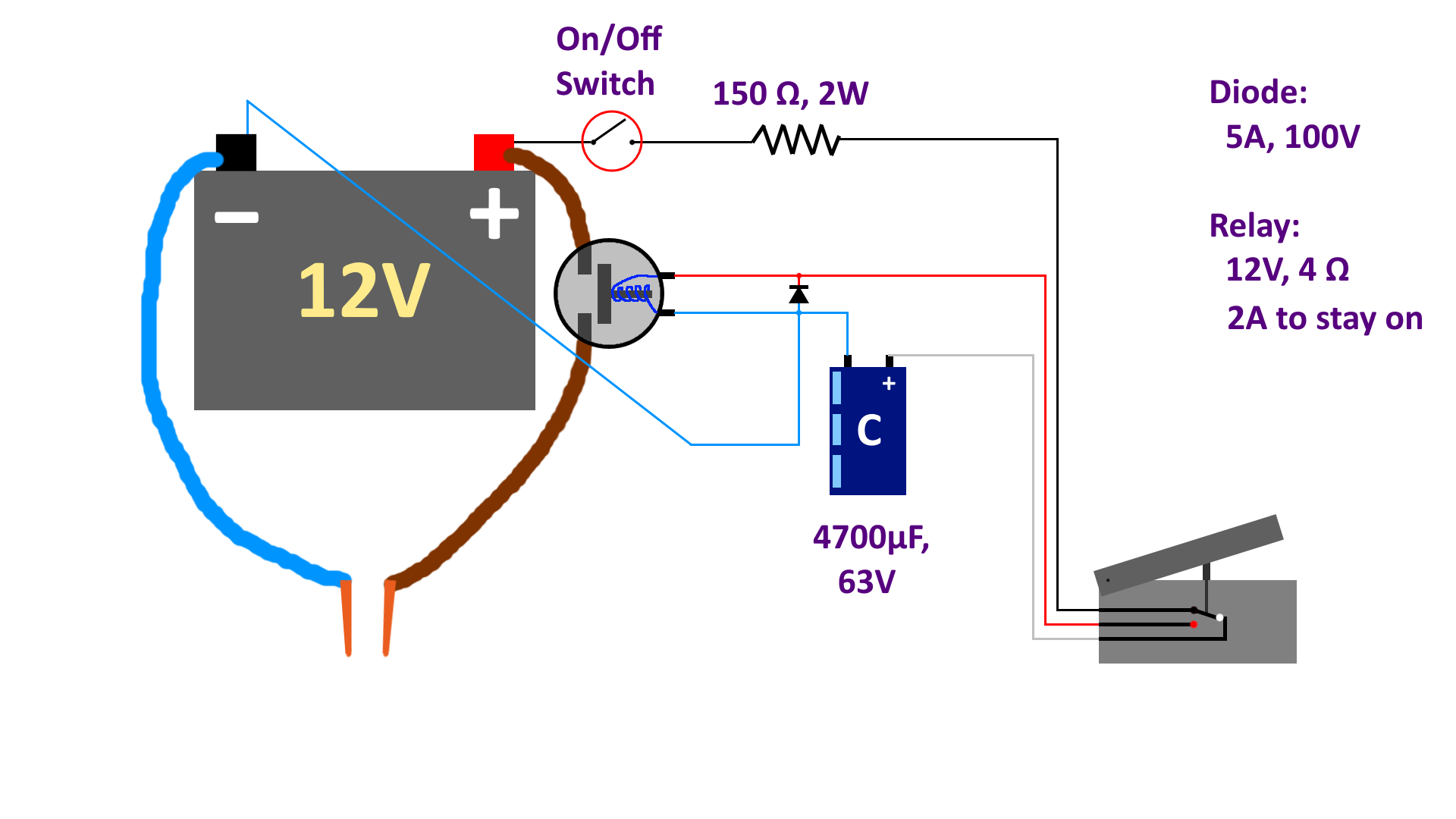
Start by securely connecting the battery pack. Use thick wires to handle high currents. Make sure the connections are tight and clean. Loose connections cause power loss and heat buildup. Double-check polarity to avoid damage. Proper wiring improves welder efficiency and lifespan.
Installing The Switch And Controls
Next, install the switch and controls on the frame. Choose a durable switch rated for high current. Position it for easy access during welding. Connect the switch to the battery pack and electrodes. Add a control knob if your design uses variable power. Test the switch to confirm it turns the welder on and off smoothly.
Attaching Welding Electrodes
Attach the welding electrodes to the arm or frame firmly. Use copper or brass tips for better conductivity. Secure the electrodes with bolts or clamps to avoid movement. Check that electrodes align perfectly for even welding pressure. Replace worn tips regularly for consistent weld quality. Proper electrode setup is key for strong battery pack joints.

Credit: www.youtube.com
Testing The Spot Welder
Testing the spot welder is a crucial step after assembly. It ensures the device works safely and effectively. Proper testing helps avoid damage to battery cells and guarantees strong welds. Follow these steps carefully for best results.
Performing Initial Tests
Start by powering on the spot welder without any load. Check for unusual noises or smells. Next, try welding on scrap metal pieces. Use short welds to test if the machine delivers enough current. Observe the weld spot for proper fusion. If sparks fly too much, stop and check connections. Ensure the electrodes touch the metal firmly.
Adjusting Settings For Optimal Performance
Adjust the welding time and current settings based on test results. Increase welding time for thicker metal strips. Decrease time for thin battery tabs to avoid burns. Tune the current until welds look strong and clean. Check weld size and color for quality. Repeat tests after each adjustment. Keep notes of settings that work best.
Troubleshooting Common Issues
Weak welds often mean low current or poor contact. Tighten electrode tips and clean them regularly. Overheating signals too much current or long weld time. Reduce power or pulse duration to fix this. If the machine does not start, check wiring and fuses. Loose connections cause inconsistent welds. Inspect cables and solder joints for damage.
Spot Welding Techniques
Spot welding is a key process in battery pack assembly. It joins metal tabs to battery cells without damaging them. Proper techniques help create strong, reliable welds. Understanding these steps ensures good electrical connection and safety.
Preparing Battery Tabs
Start with clean battery tabs. Remove any dirt or oil using a cloth and alcohol. Dirty surfaces cause weak welds. Cut tabs to the right size. Make sure edges are smooth and flat. Proper preparation improves weld quality and strength.
Positioning Materials
Place the battery and tab carefully between the welding electrodes. Keep the tab flat against the battery surface. Avoid gaps or overlaps. Hold materials steady to prevent movement during welding. Correct positioning ensures even heat and strong bonds.
Applying Proper Welds
Apply short, controlled welds. Too long can damage the battery. Too short results in weak joints. Use steady pressure with the electrodes. Check weld spots for consistency and strength. Proper welds create a durable connection without harming the battery.

Credit: www.youtube.com
Maintenance And Safety Tips
Keeping your spot welder in top shape is vital for both performance and safety. Regular maintenance and careful handling reduce risks and extend tool life. Follow these tips to ensure smooth and safe welding operations.
Routine Inspection
Check the welder before each use. Look for loose connections or worn cables. Clean the welding tips to avoid poor contact. Inspect insulation on wires for cracks or damage. Tighten screws and bolts regularly. Replace parts that show signs of wear immediately. A well-maintained spot welder works efficiently and lasts longer.
Handling Battery Hazards
Batteries can be dangerous if mishandled. Always wear safety goggles and gloves when working. Avoid short-circuiting battery terminals. Work in a well-ventilated area to prevent gas buildup. Keep a fire extinguisher nearby in case of sparks or flames. Store batteries away from heat or direct sunlight. Proper handling protects you and your workspace.
Safe Welding Practices
Use insulated tools to prevent electric shocks. Avoid touching metal parts during welding. Keep your hands dry and free from grease. Weld small sections at a time to control heat. Do not rush the process; take breaks if the welder overheats. Always disconnect power before making adjustments. Following these practices reduces accidents and ensures quality welds.
Upgrading Your Spot Welder
Upgrading your spot welder can improve its performance and ease of use. Simple changes can boost welding quality and save energy. Enhancements also make your device more convenient for battery projects. Focus on control, power, and portability to get the best results.
Adding Arduino Controls
Integrate an Arduino to automate welding cycles. It offers precise timing for each weld, reducing errors. You can program different weld durations for various battery types. Arduino controls also add safety features like temperature monitoring. This upgrade makes your spot welder smarter and more reliable.
Improving Power Efficiency
Use high-quality components to reduce energy loss during welding. Replace old wiring with thicker cables to handle higher currents safely. Adding a capacitor bank helps deliver steady power for each weld. Efficient power use lowers heat build-up and extends component life. This improvement cuts electricity costs and improves weld strength.
Enhancing Portability
Choose lightweight materials for the welder’s frame and housing. Compact design helps you carry the welder to different work areas easily. Use a rechargeable battery pack to avoid dependence on power outlets. Add a sturdy handle or strap for easy transport. Portable spot welders allow flexible use on battery packs anywhere.
Credit: scottiestech.info
Frequently Asked Questions
How To Make A Spot Welding Machine For 18650?
To make a spot welding machine for 18650 batteries, use a high-current battery or capacitor bank. Connect it to copper electrodes and a switch. Control pulse duration for precise welds. Ensure safety by wearing protective gear and working in a ventilated area.
Is It Cheaper To Build Your Own Lithium Battery?
Building your own lithium battery can be cheaper but requires technical skills and quality materials. DIY costs vary widely.
What Size Battery Do I Need For Spot Welding?
A 12V car battery or a 18650 lithium-ion battery pack with high discharge rates works well for spot welding. Choose batteries with at least 20A continuous current for efficient welding.
Do Battery Spot Welders Work?
Battery spot welders work effectively for joining thin metal sheets and battery tabs. They provide quick, strong welds with minimal heat damage. Proper setup and battery size ensure consistent weld quality and reliability in battery pack assembly and repairs.
Conclusion
Building a spot welder for batteries can save money and boost your DIY skills. This project uses simple parts and clear steps anyone can follow. Always prioritize safety to avoid accidents. Practice welding on scrap materials before working on real batteries.
With patience and care, your spot welder will help create strong, reliable battery packs. Keep learning and improving your technique for better results. Enjoy the satisfaction of making your own tool at home.

Hi, I’m Zachary Ford. I’m passionate about welding and dedicated to helping both beginners and experienced welders make informed decisions. I research, test, and write about welding helmets, welding machines, safety equipment, and essential workshop tools. My goal is to provide honest reviews, practical buying guides, and easy-to-follow tutorials that help you weld more safely, work more efficiently, and choose the right gear with confidence.