
Are you ready to master spot welding and create strong, reliable metal joints with ease? Whether you’re working on a DIY project, repairing automotive panels, or tackling sheet metal fabrication, knowing how to do spot welding correctly is essential.
Spot welding is a fast and efficient way to join two overlapping metal pieces by applying pressure and an electric current right where you need it most. In this guide, you’ll discover simple, step-by-step instructions that anyone can follow-no complicated jargon or confusing terms.
You’ll learn how to prep your metal surfaces, position your materials, apply the right pressure and current, and cool the weld for a solid finish. Plus, you’ll get practical tips to avoid common pitfalls like weak joints or burn-throughs, so your work looks professional every time. Stick with me, and you’ll gain the confidence and know-how to use spot welding in your projects, saving time and ensuring durable results. Ready to spark your welding skills? Let’s dive in!
Credit: prolinesystems.net
Spot Welding Basics
Spot welding basics cover the key ideas needed to join metals efficiently. This method fuses two metal sheets using heat from electrical resistance. It creates strong joints without melting the whole piece. Understanding the basics helps beginners use spot welding safely and effectively.
The process is quick and precise. It is widely used in many industries. Learning the core concepts makes it easier to control the weld quality and strength. Below are the main points every spot welder should know.
How Spot Welding Works
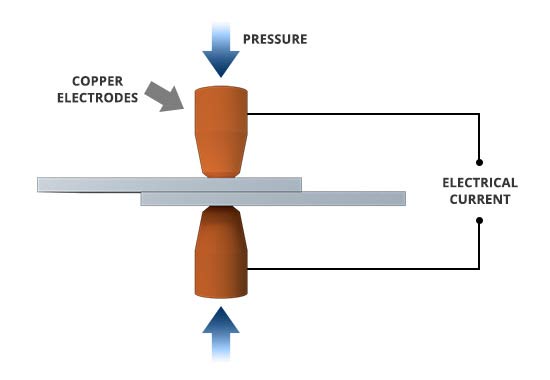
Spot welding joins two metal sheets at a small, specific area. Copper electrodes press the sheets together firmly. An electric current flows through the electrodes and metal. The metal heats up from resistance, melting only the contact spot. The molten metal cools under pressure, forming a strong bond. This process takes less than a second. It produces minimal distortion and fast results.
Essential Equipment
A basic spot welding setup includes several key parts. Copper electrodes conduct electricity and apply pressure. The welder controls the current and timing. Tool holders keep electrodes steady and cool. Cooling is important to prevent electrode damage. Clamps or fixtures hold metal sheets in place. Safety gear like gloves and goggles protect the operator. Proper equipment ensures clean, strong welds every time.
Common Applications
Spot welding is common in automotive and manufacturing industries. It joins car body panels, metal furniture, and appliances. It also works well for thin sheet metals. The fast weld time suits high-volume production. Spot welding reduces the need for bolts or rivets. It creates smooth surfaces ready for painting. Many metal products rely on spot welds for strength and durability.

Credit: yeswelder.com
Preparing For Spot Welding
Preparing for spot welding is crucial for a strong and clean weld. Proper preparation ensures good electrical contact and consistent heat. It reduces defects and improves weld quality. Follow key steps to get ready before starting the welding process.
Cleaning Metal Surfaces
Clean the metal surfaces thoroughly before welding. Remove dirt, rust, oil, and paint from the contact area. Use a wire brush or sandpaper to expose bare metal. Clean surfaces allow better electrical conductivity and stronger welds.
Wipe the metal with a clean cloth to remove dust and debris. Avoid using oily or greasy cleaners that leave residue. Clean surfaces prevent weak welds and reduce electrode wear.
Choosing The Right Electrodes
Select electrodes made of low-resistance materials like copper alloys. Copper electrodes conduct electricity well and resist heat damage. Match the electrode size to the metal thickness for proper pressure and current flow.
Use sharp, well-shaped electrodes for accurate weld placement. Replace worn or damaged electrodes to maintain weld quality. Correct electrodes improve heat distribution and minimize spatter.
Setting Up The Welder
Adjust the welder settings to suit the metal type and thickness. Set the current, weld time, and pressure according to manufacturer guidelines. Test settings on scrap metal to find the best parameters.
Ensure the electrodes are tightly secured in the tool holders. Check water cooling systems if your welder uses them to prevent overheating. Proper setup reduces welding errors and increases efficiency.
Spot Welding Steps
Spot welding joins two metal sheets quickly by fusing them at small points. The process needs careful steps to ensure a strong, clean weld. Each step in spot welding must be done precisely to avoid weak joints or damage to the metal.
Follow these spot welding steps closely. They guide you through positioning, applying current and pressure, and letting the weld cool properly. These steps help create a durable and neat weld every time.
Positioning And Clamping
First, clean the metal surfaces to remove dirt and rust. Place the metal sheets so they overlap correctly. Use the spot welder’s clamps to hold the sheets firmly in place. Tight clamping prevents movement during welding. Make sure the electrodes touch the metal exactly where you want the weld.
Applying Current And Pressure
Next, apply pressure using the electrodes. This squeezes the metal sheets together. Turn on the welder to send a high electric current through the electrodes. The current heats the metal where the electrodes meet. Keep the pressure steady during this step. The heat melts the metal, creating a strong weld spot.
Cooling And Solidifying The Weld
After the current is off, keep the electrodes pressed. This lets the molten metal cool and solidify. Cooling under pressure makes the weld strong and smooth. Remove the clamps only when the weld is fully cooled. This avoids cracks or weak spots in the joint.
Tips For Perfect Joints
Creating perfect spot weld joints requires attention to detail and proper technique. Small adjustments can lead to stronger, cleaner welds. Follow these tips to improve your spot welding results and ensure reliable connections.
Each element, from heat settings to electrode care, plays a key role. Consistency is crucial for uniform weld quality. Focus on these areas to produce durable and neat joints every time.
Optimizing Heat And Time Settings
Set the correct heat and time for the metals you work with. Too much heat can burn through thin sheets. Too little heat causes weak welds that may fail.
Adjust the welding current and duration based on metal thickness and type. Test on scrap pieces to find the best settings. Keep settings consistent for each weld to avoid weak spots.
Maintaining Electrode Tips
Electrode tips must stay clean and smooth for good contact. Dirty or worn tips reduce weld strength and cause uneven heat.
Regularly clean tips with a wire brush or file. Replace tips that become too worn or pitted. Proper tip maintenance ensures even current flow and strong joints.
Using Weld-through Primer
Weld-through primer protects metal from rust but can affect weld quality. Use primer designed for spot welding to allow current flow.
Apply primer thinly and evenly. Too thick layers may block the weld current, causing weak joints. Test welds through primer to confirm strength before final use.
Troubleshooting Common Issues
Troubleshooting common issues in spot welding helps improve weld quality. Identifying problems quickly saves time and materials. This section covers key problems and practical fixes. Follow these tips to keep your spot welding process smooth and effective.
Avoiding Blow-through
Blow-through happens when the weld burns through the metal. It weakens the joint and ruins the workpiece. Use the right welding current and time. Lower the current if the metal is thin. Increase electrode force to control heat. Check electrode alignment to avoid uneven pressure. Proper settings prevent metal from melting too much.
Preventing Weak Welds
Weak welds break easily under stress. This often comes from low current or short weld time. Clean metal surfaces before welding. Dirt or rust stops good fusion. Use enough current to melt the metal edges. Hold pressure until the weld cools and solidifies. Ensure electrode tips are clean for better conductivity. These steps help create strong welds.
Handling Electrode Wear
Electrodes wear out with use and lose shape. Worn electrodes cause poor contact and weak welds. Inspect electrodes regularly for pitting or deformation. Dress electrodes with a grinder to restore shape. Replace electrodes if wear is severe. Keep electrodes cool with water flow. Proper electrode care extends lifespan and improves weld consistency.
Alternative Spot Welding Methods
Alternative spot welding methods offer different ways to join metal sheets. These methods can fit various needs and materials. They often use different equipment or techniques but aim for a strong weld. Trying these can improve efficiency or handle specific challenges in welding.
Mig Spot Welding Technique
The MIG spot welding technique uses a wire feed and shielding gas. It melts the metal at the spot with an electric arc. This process allows for faster welding and better control of the weld size. It works well on thin sheets and different metal types. MIG spot welding can be easier for beginners to learn.
Using Spot Weld Nozzles
Spot weld nozzles are attachments for MIG or TIG welders. They focus the heat and current on a small area for spot welds. These nozzles help create clean and precise weld spots. They also reduce the chance of warping the metal. Using spot weld nozzles can improve weld quality and speed.
Pros And Cons Compared To Traditional Spot Welding
Alternative methods offer faster welding and more control over heat input. They often cause less metal distortion and work on a wider range of materials. Some methods need more skill or special equipment. Traditional spot welding is simpler and cost-effective for many jobs. Choosing the right method depends on the project needs and resources.

Credit: www.youtube.com
Frequently Asked Questions
How To Spot Weld Properly?
Clean metal surfaces thoroughly. Align and clamp sheets firmly between copper electrodes. Apply high current briefly while maintaining pressure. Hold pressure as weld cools to solidify. Use proper electrode tips and settings for best results.
What Is The Spot Welding Process?
Spot welding joins overlapping metal sheets by applying pressure and high electric current through copper electrodes. The current melts metal, forming a weld at the contact point. The process requires clean surfaces, firm clamping, brief current application, and cooling under pressure for a strong bond.
What Is The Formula For Spot Welding?
The spot welding formula is ( Q = I^2 times R times t ), where Q is heat, I is current, R is resistance, and t is time.
What Equipment Is Needed For Spot Welding?
Spot welding requires a spot welder machine, copper electrodes, tool holders, cooling system, and clean metal surfaces.
Conclusion
Spot welding is a simple and effective way to join metal sheets. Clean metal surfaces and firm pressure make strong welds. Apply the right current and hold the clamp briefly. Practice helps improve your technique and results. Always follow safety rules to protect yourself.
This method saves time and materials in many projects. Try spot welding for your next metalwork task.

Hi, I’m Zachary Ford. I’m passionate about welding and dedicated to helping both beginners and experienced welders make informed decisions. I research, test, and write about welding helmets, welding machines, safety equipment, and essential workshop tools. My goal is to provide honest reviews, practical buying guides, and easy-to-follow tutorials that help you weld more safely, work more efficiently, and choose the right gear with confidence.