
Picking up a MIG torch looks easy, pull the trigger, drag the bead, done. That’s what I thought too, until I ended up with spatter everywhere, uneven weld lines, and a puddle that refused to cooperate. I remember staring at that mess wondering how experienced welders make it look so effortless.
What I eventually learned is that MIG welding isn’t difficult, it’s precise. Small details like wire speed, gun angle, stick-out, and travel speed can quietly ruin a weld or transform it into something clean and strong. Once I started dialing those in through real hands-on practice, my results changed fast.
If you’re starting out and want smoother beads, less frustration, and more control every time you weld, you’re in the right place. Here are the beginner tips that actually made a difference for me, and will for you too.
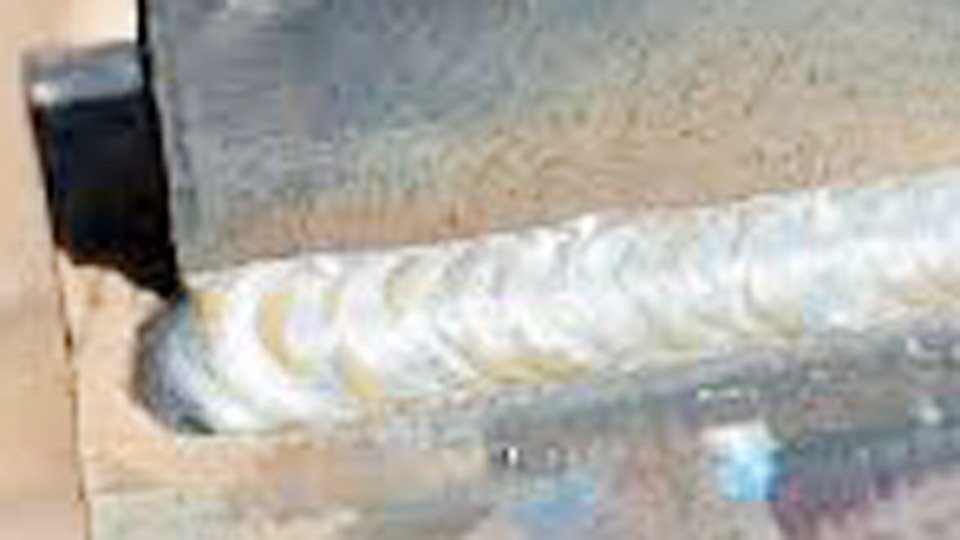
Photo welddotcom
Getting Started with MIG Welding Equipment
MIG welding, or Metal Inert Gas welding, uses a continuous wire electrode fed through a gun, shielded by gas to protect the weld pool from contamination. It’s versatile for everything from auto body repairs to building metal furniture in your garage.
How does it all come together? The machine pushes wire at a set speed while you control the voltage and amperage to melt it into the base metal. I’ve used everything from basic 110-volt units for light hobby work to beefy 220-volt models for thicker steel in fabrication shops.
When should you fire it up? MIG shines on clean, thin-to-medium materials like mild steel or aluminum, where speed and low spatter matter.
From my experience, start with a reliable machine like a Lincoln or Miller—common in US shops for their durability. Pair it with a good regulator for your shielding gas, usually 75/25 argon/CO2 mix for steel.
Tip: Always check your ground clamp for a solid connection; I’ve chased arc issues for hours only to find a loose clamp was the culprit.
Before your first weld, practice feeding wire without gas or power. Get comfortable with the gun angle—about 10-15 degrees pushed forward. This prevents porosity from dragging contaminants into the pool.
Choosing the Right Wire for Your Project
Wire selection trips up a lot of new welders. MIG wire comes in solid or flux-cored varieties, with diameters like 0.023″, 0.030″, or 0.035″ being the most common for beginners.
Solid wire needs shielding gas and works best on clean metal for smooth beads. Flux-cored is self-shielded, great for outdoor jobs where wind blows gas away, but it produces more spatter.
Why pick one over the other? Solid gives cleaner welds with better penetration on indoor projects, while flux-cored handles rusty or painted surfaces without prep.
In my shop, I default to ER70S-6 solid wire for mild steel—it’s forgiving and widely available at places like welding supply stores. For aluminum, switch to ER4043 or ER5356, matching your base metal’s alloy.
Match wire diameter to material thickness. Use 0.023″ for sheet metal under 1/8″ to avoid burn-through; go 0.035″ for 1/4″ plate for deeper penetration. I’ve seen beginners grab thick wire for thin stock and end up with holes everywhere. Test on scrap first—adjust feed speed so the wire melts steadily without stubbing.
Common mistake: Ignoring wire condition. Kinked or dirty wire causes feeding jams. Keep your spool covered and use contact tips sized to your wire—too loose, and you’ll get erratic arcs.
Mastering Shielding Gas and Flow Rates
Shielding gas is your weld’s bodyguard, keeping oxygen and nitrogen out to prevent porous, brittle results. For beginners, understanding gas types and flow is key to avoiding those pinhole-riddled beads.
How it works: Gas flows from the cylinder through the gun nozzle, blanketing the molten pool. Too little, and contamination sneaks in; too much wastes money and can cause turbulence.
Use it when welding indoors on clean steel—skip it with flux-cored wire. Why bother? Proper gas means stronger welds with less cleanup, crucial for structural jobs like trailer frames.
I’ve dialed in countless setups, and for mild steel, 75% argon/25% CO2 at 20-25 CFH (cubic feet per hour) is my go-to. For stainless, bump to 90/7.5/2.5 tri-mix for better arc stability.
Set your regulator to 20-30 PSI, then fine-tune at the nozzle. Cup your hand around it to feel the flow—gentle breeze, not a gale. In drafty shops, use a gas lens or larger nozzle to maintain coverage. One time, welding a gate in windy conditions, I switched to flux-cored mid-job and saved the day.
Watch for signs of issues: Black soot means too much CO2; excessive spatter, check for leaks. Always purge lines before starting to clear air pockets.
Setting Amperage and Voltage for Clean Welds
Amperage and voltage are the heart of your MIG setup. Amperage controls heat input—higher amps for thicker metal—while voltage affects arc length and bead shape.
It melts the wire and base metal together. Low voltage gives a narrow, ropey bead; high makes it flat and wide with potential undercut.
Apply this for materials from 16-gauge sheet to 1/2″ plate. Why get it right? Wrong settings lead to poor fusion, distortion, or burn-through, turning a quick repair into a mess.
From years in the field, start with manufacturer charts: For 0.030″ wire on 1/8″ steel, try 17-19 volts and 120-150 amps. Adjust based on sound—a steady sizzle like bacon frying is perfect; popping means too hot.
Tip: Use the “one amp per thousandth” rule for steel thickness. For 1/4″ (0.250″), aim 250 amps max, but back off for multiple passes to control heat.
Beginners often crank amps too high, causing warpage. Fix by tacking first, then short welds with pauses. On aluminum, drop amps 20% from steel settings to avoid melting through.
Preparing Joints Like a Pro
Joint prep is where good welds begin. Skipping it leads to weak bonds and endless grinding.
It’s cleaning and shaping edges for optimal filler access. Bevel thick plates, grind rust off, and ensure tight fits.
Do this always, especially on dirty or thick stock. Why? Clean joints mean better penetration and fewer defects like inclusions.
In my fabrication days, I’d degrease with acetone, wire brush surfaces, and clamp pieces snug. For butt joints, leave a 1/16″ gap for expansion.
Step-by-step: 1) Cut pieces square. 2) Grind bevels at 30 degrees on >1/4″ material. 3) Clean within an inch of the joint. 4) Tack every few inches.
Mistake: Welding over paint— it bubbles and contaminates. Strip it back. For lap joints, overlap 1-1.5 times thickness for strength.
Techniques for Steady Beads and Penetration
Laying a good bead takes practice, but technique makes it easier.
Push the gun at 10-15 degrees for better gas coverage, or pull for deeper penetration on thick stuff—experiment.
Use when aiming for cosmetic or structural welds. Why? Proper motion prevents undercut and ensures fusion.
I’ve taught apprentices to weave slightly on wider joints for even fill. Keep travel speed consistent—too slow puddles, too fast skips.
Trick: Rest your hand on the workpiece for stability. Aim the wire at the leading edge of the pool.
Fixing bad welds: If penetration’s weak, increase amps or slow down. For spatter, clean nozzle and check gas.
Handling Different Materials in MIG
MIG isn’t just for steel—aluminum, stainless, even galvanized need tweaks.
Aluminum requires spool guns to avoid bird-nesting soft wire. Use pure argon gas for stable arcs.
Weld it for lightweight projects like boat repairs. Why adapt? Aluminum conducts heat fast, risking warp.
My tip: Preheat to 200°F for thick pieces, use push technique. For stainless, tri-mix gas prevents sugaring.
On galvanized, grind coating off first—fumes are toxic. Match filler to base: 308L for 304 stainless.
Common Beginner Mistakes and Quick Fixes
Every welder messes up at first. I once welded a bracket upside down because I rushed setup.
Overheating thin metal? Clamp heat sinks or stitch weld.
Poor arc starts? Clip wire end fresh each time.
Spatter everywhere? Anti-spatter spray on nozzle, or check voltage.
Undercut edges? Slow travel, adjust angle.
Porosity holes? Boost gas flow, clean metal thoroughly.
Lessons learned: Always inspect before full welds. Grind out defects and reweld—better than failure later.
Advanced Tricks for Smoother Results
Once basics click, try pulsing modes on modern machines for less heat input.
Stack beads on vertical joints—uphill for strength.
For out-of-position, use smaller wire and lower amps.
I’ve used stringer beads for speed, weaves for fill on repairs.
Tip: Monitor duty cycle—don’t overheat your machine on long runs.
Safety Gear and Practices You Can’t Skip
Safety isn’t optional. I’ve seen close calls from skipped precautions.
Wear leather gloves, flame-resistant jacket, auto-darkening helmet.
Ventilate for fumes—use exhaust fans in shops.
Why? Sparks fly, UV burns eyes, gases irritate lungs.
Tip: Ground properly to avoid shocks. Keep fire extinguisher handy.
Inspect hoses for leaks, secure cylinders upright.
Comparing MIG to Other Processes
Let’s break down how MIG stacks up.
| Process | Pros | Cons | Best For |
|---|---|---|---|
| MIG | Fast, easy learning curve, versatile materials | Needs gas (unless flux-cored), more spatter than TIG | Auto repairs, fabrication, hobby work |
| Stick (SMAW) | Cheap, works outdoors, handles dirty metal | Slag cleanup, harder starts | Construction, heavy plate |
| TIG | Precise, clean welds, no spatter | Slow, requires skill | Aerospace, thin metals |
| Flux-Cored | Portable, deep penetration | Smoky, more cleanup | Outdoor, thick stock |
From experience, MIG’s my daily driver for efficiency in US shops.
Step-by-Step Guide to Your First MIG Weld
Ready to try? Here’s how.
- Gather gear: Machine, wire, gas, PPE.
- Set machine: 18V, 130A for 1/8″ steel.
- Prep joint: Clean, clamp.
- Tack ends.
- Weld: Steady speed, watch pool.
- Cool, inspect.
Adjust as needed—practice on scrap.
Pros of this approach: Builds confidence. Cons: Initial setups take time.
I’ve used this on countless jobs, from fences to frames.
Fine-Tuning for Specific Jobs
For auto panels, use 0.023″ wire, low amps to avoid warp.
On pipes, rotate for even beads.
Thick frames? Multi-pass with interpass cleaning.
Anecdote: Welding a truck bumper, I preheated to prevent cracks—saved rework.
Maintaining Your MIG Setup
Keep it running smooth.
Clean liner monthly, replace tips often.
Store wire dry.
Why? Prevents jams, ensures reliability.
Tip: Use nozzle gel to reduce spatter buildup.
I’ve extended machine life this way in busy shops.
Wrapping Up
As you wrap up your first projects, remember that consistent practice turns these tips into second nature. You’ll spot issues faster, like when a bead looks cold and needs more heat, saving you from weak spots that could fail under load.
You’re now equipped to pick the right wire diameter for the job, dial in amperage without guessing, and prep joints that lead to pro-level results. Always weld a test coupon before the real thing—it catches setup flaws early and keeps your work solid.
FAQ’s
What amperage should I use for MIG welding 1/4-inch steel?
Aim for 180-220 amps with 0.035″ wire at 20-22 volts. Start low, adjust for sizzle sound. Multi-pass if heat builds.
How do I avoid burn-through on thin metal?
Use smaller wire like 0.023″, drop amps to 80-100, and stitch weld—short bursts with cooling pauses. Push technique helps.
What’s the best gas for MIG welding aluminum?
Pure argon at 25-30 CFH. It stabilizes the arc better than mixes. Use a spool gun for smooth feeding.
Why is my MIG weld porous?
Likely low gas flow, dirty metal, or drafts. Boost to 25 CFH, clean thoroughly, and shield from wind.
Can beginners MIG weld stainless steel?
Yes, with 308L wire and tri-mix gas. Keep heat low to avoid warping—practice on scrap first.

Hi, I’m Zachary Ford. I’m passionate about welding and dedicated to helping both beginners and experienced welders make informed decisions. I research, test, and write about welding helmets, welding machines, safety equipment, and essential workshop tools. My goal is to provide honest reviews, practical buying guides, and easy-to-follow tutorials that help you weld more safely, work more efficiently, and choose the right gear with confidence.