
Have you ever needed a spot welder but didn’t want to spend a lot on a new tool? What if you could turn something you already own-a battery charger-into a powerful spot welder?
Making your own spot welder from a battery charger is easier than you might think. With just a few simple steps, you can create a reliable tool that helps you join metal pieces quickly and efficiently. Keep reading, and you’ll discover how to transform your battery charger into a spot welder that works just like the ones professionals use.
This DIY project not only saves you money but also gives you the satisfaction of building something useful with your own hands. Ready to get started? Let’s dive in!
Tools And Materials
Building a spot welder from a battery charger requires specific tools and materials. Gathering the right items ensures a safe and effective project. This section covers the main tools and materials needed to get started.
Selecting A Battery Charger
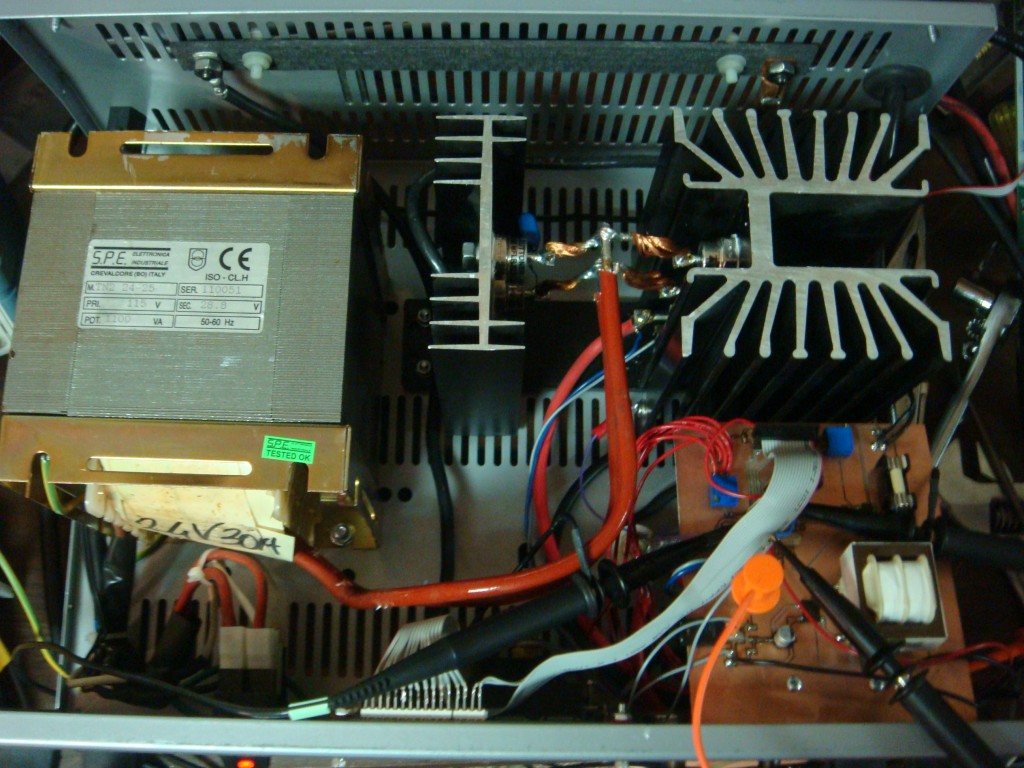
Choose a battery charger with a high amperage output. A charger rated between 10 to 20 amps works well. Ensure it has a simple transformer and no smart charging features. Older models often suit this purpose better. Avoid chargers with built-in electronics that may interfere. The charger should provide steady power for welding tasks.
Essential Components
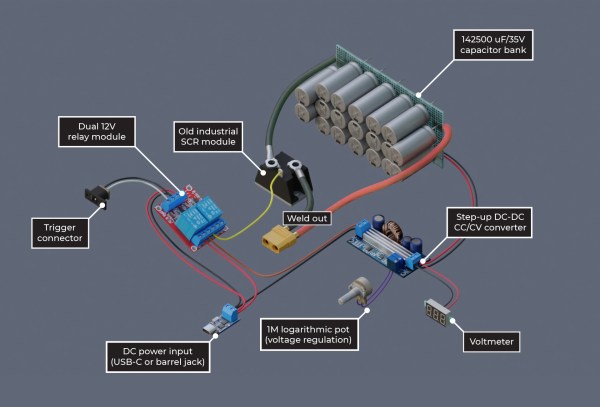
Besides the battery charger, you need copper welding cables. Use thick cables to handle high current safely. Copper electrodes are necessary for good conductivity. You will also require insulated handles for the electrodes. A switch or relay to control the current flow is important. Additional items include heat shrink tubing and mounting brackets. All components must handle heat and electricity well.
Safety Equipment
Protect yourself with proper safety gear. Wear welding gloves to prevent burns. Use safety goggles or a welding mask to shield your eyes. A fire-resistant apron can protect your clothing. Ensure good ventilation in your workspace to avoid fumes. Keep a fire extinguisher nearby in case of emergencies. Safety is crucial when working with electricity and heat.
Credit: www.imsolidstate.com
Preparing The Battery Charger
Testing and adjusting your spot welder made from a battery charger is key to safe and effective welding. This stage ensures the machine delivers the right power and weld quality. Careful testing avoids damage to materials and tools. Adjustments help find the perfect balance between weld time and current.
Initial Power Tests
Start by checking the welder’s power output without any load. Connect the electrodes and switch the machine on briefly. Use a multimeter to measure the voltage and current flow. Ensure the output matches expected levels for spot welding. Keep the tests short to avoid overheating the charger. Confirm the machine turns off properly after use.
Adjusting Weld Time And Current
Next, fine-tune the weld time and current for strong joints. Begin with short weld pulses, around 0.5 seconds. Increase the time slowly while testing weld strength. Adjust current by changing charger settings or adding resistors if possible. Watch for signs of weak welds like gaps or poor bonding. Avoid too long welds that burn through the metal.
Troubleshooting Common Issues
If welds are weak or inconsistent, check connections first. Loose or corroded contacts reduce current flow. Inspect electrode tips for wear or dirt and clean them. Overheating may cause the charger to shut off; allow cooling time. If current is too low, verify the charger’s condition and wiring. Make small adjustments and retest until welds improve.
Building The Welding Circuit
Spot welding requires careful technique to create strong and clean welds. Each step affects the final quality and durability. Understanding how to position metals, apply pressure, and time the weld helps you get the best results from your DIY spot welder made from a battery charger.
Positioning Metal Pieces
Place the metal pieces flat and aligned. Edges must touch firmly without gaps. Avoid overlapping too much to prevent weak welds. Hold the metals steady to stop movement during welding. Correct positioning ensures the weld spot is strong and consistent.
Applying Proper Pressure
Press the electrodes firmly against the metal surfaces. Too little pressure causes poor electrical contact and weak welds. Too much pressure can squeeze out the molten metal. Use steady, even force to create a good weld pool. Proper pressure controls the heat and weld shape.
Timing The Weld
Control the weld time carefully. A short weld may not join the metals securely. A long weld can burn through or weaken the metal. Use a timer or count seconds precisely. Practice helps find the right weld time for your materials. Consistent timing produces strong, neat welds every time.

Credit: www.youtube.com
Credit: hackaday.com
Frequently Asked Questions
How Many Volts Are Needed To Spot Weld?
Spot welding typically requires 1 to 10 volts, depending on the metal thickness and equipment used.
How To Make A Spot Welding Machine For 18650?
Use a 12V battery charger, connect thick copper electrodes, and add a foot switch for control. Adjust weld time carefully.
What Metals Cannot Be Spot-welded?
Silver, copper, lead, and zinc cannot be spot-welded effectively due to their high thermal conductivity and melting points.
Do Battery Spot Welders Work?
Battery spot welders work effectively for joining thin metal sheets and battery tabs. They deliver high current pulses for strong, precise welds. Proper setup ensures reliable, clean welds ideal for battery pack assembly and small metal projects.
Conclusion
Building a spot welder from a battery charger is a practical DIY project. It saves money and uses materials you may already have. Safety is important—always wear protective gear and work in a safe area. With patience and care, you can create a tool useful for small welding jobs.
This simple device shows how easy it is to repurpose old equipment. Try it yourself and see how effective a homemade spot welder can be.

Hi, I’m Zachary Ford. I’m passionate about welding and dedicated to helping both beginners and experienced welders make informed decisions. I research, test, and write about welding helmets, welding machines, safety equipment, and essential workshop tools. My goal is to provide honest reviews, practical buying guides, and easy-to-follow tutorials that help you weld more safely, work more efficiently, and choose the right gear with confidence.