
If you’re working with lithium batteries, knowing how to spot weld them correctly is crucial for safety and performance. You want your battery pack to be reliable, efficient, and long-lasting, but improper welding can cause serious problems like weak connections or even damage to the cells.
In this guide, you’ll learn clear, simple ways to spot weld lithium batteries without risking overheating or poor welds. Whether you’re building your own battery pack or repairing one, mastering these tips will save you time, money, and frustration. Keep reading to discover how you can make strong, safe welds that keep your batteries working at their best.
Spot Welding Basics
Spot welding is a key method used in assembling lithium battery packs. It joins thin metal sheets by applying heat and pressure at small points. This technique is fast and creates strong, reliable connections. Understanding spot welding basics helps in making safe, efficient battery packs.
The process focuses heat on a tiny area, avoiding damage to battery cells. It also ensures good electrical flow between battery parts. This is critical for battery performance and longevity.
What Is Spot Welding?
Spot welding uses electrical current to heat metals at contact points. Two electrodes press the metal sheets together. The current creates heat by resistance, melting the metal locally. When cooled, the melted metal forms a strong bond. This join is called a weld nugget. It holds parts tightly without adding extra material.
Spot welding works best with thin metal sheets like nickel strips. It is quick and leaves no holes or gaps. This keeps battery packs compact and safe.
Why Use Spot Welding For Lithium Batteries?
Spot welding limits heat exposure to protect lithium cells. Excess heat can damage cell chemistry and reduce battery life. The precise heat control in spot welding avoids this risk. It also creates highly conductive joints. This means batteries deliver power efficiently without energy loss.
Another advantage is speed. Spot welding connects battery parts fast. This helps in mass battery production. It also reduces the chance of weak connections that can cause failures.
Identifying Lithium Batteries
Identifying lithium batteries is essential for safe handling and proper use. These batteries power many devices today. Knowing how to spot them helps avoid damage and hazards.
Recognizing lithium batteries is not hard once you know what to check. Labels and physical traits offer clear clues. This guide breaks down key points to help you identify lithium batteries easily.
Common Lithium Battery Labels
Most lithium batteries have clear labels printed on them. Look for terms like “Li-ion,” “LiPo,” or “Lithium Polymer.” These indicate the battery type and chemistry. Sometimes, you may see model numbers starting with “18650” or “21700,” common in lithium cells.
Warning signs on the label often show voltage, capacity, and manufacturer details. These details help confirm the battery is lithium-based. Labels may also include safety icons or instructions specific to lithium batteries.
Physical Characteristics To Look For
Lithium batteries usually have a smooth, metallic outer case. Cylindrical cells often have a flat top with a small button-like terminal. Pouch cells are soft and rectangular, wrapped in a foil pouch.
They are lighter than many other battery types but feel solid and sturdy. The terminals are usually clearly marked with “+” and “–” signs. Avoid batteries with bulging or damaged cases, which indicate problems.
Spot Welding Equipment
Spot welding equipment plays a key role in creating strong and safe connections in lithium battery packs. Proper tools ensure precise welds that hold battery tabs securely without damaging cells. Understanding the types of welders and their features helps choose the right device for your needs. Accessories improve weld quality and make the process easier and safer.
Types Of Spot Welders
Spot welders come in several types, each suited for specific tasks. The main types include inverter spot welders, capacitor discharge welders, and transformer welders. Inverter welders offer precise control and energy efficiency. Capacitor discharge welders provide quick, powerful bursts of energy. Transformer welders are simple and durable, often used in industrial settings. Each type has benefits depending on battery size and welding frequency.
Ac Vs Dc Spot Welders
Spot welders operate on either AC or DC power. AC spot welders use alternating current, which changes direction regularly. They tend to be less expensive but can cause less stable welds. DC spot welders use direct current, flowing in one direction. This creates steadier welds with better penetration and less spatter. DC welders often have smaller, lighter transformers. For lithium battery packs, DC welders usually provide more consistent results.
Essential Accessories
Accessories enhance spot welding accuracy and safety. Copper electrodes are vital for conducting electricity and heat to the weld spot. Good quality electrodes last longer and create cleaner welds. Cooling systems prevent overheating of the welder and electrodes. A foot pedal or hand switch allows precise control over weld timing. Safety glasses and gloves protect the welder from sparks and heat. Using the right accessories improves weld strength and operator comfort.
Spot Welding Techniques
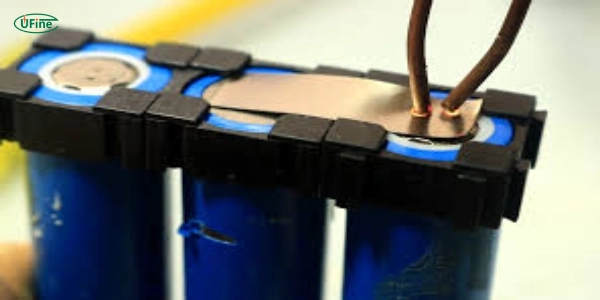
Spot welding is a key method to join lithium battery cells safely and effectively. It uses electrical current to fuse thin metal strips to battery terminals. This creates strong connections without harming the cells.
Proper spot welding techniques improve battery pack quality. They help avoid overheating and damage. Knowing these techniques ensures reliable and safe battery assembly.
Preparing Battery Cells
Start by cleaning battery surfaces to remove dirt and grease. Use a soft cloth with alcohol for best results. Keep cells steady and aligned for even welding. Avoid touching battery terminals to prevent contamination. Prepare nickel strips or tabs to connect cells. Cut strips to the right size and shape.
Proper Spot Welding Settings
Set the welder with correct current and time values. Too high current can burn the metal or damage cells. Too low current creates weak welds that may break. Use short weld pulses to control heat spread. Adjust settings based on metal thickness and battery type. Test welds on scrap pieces before working on real cells.
Using Spring-loaded Probes
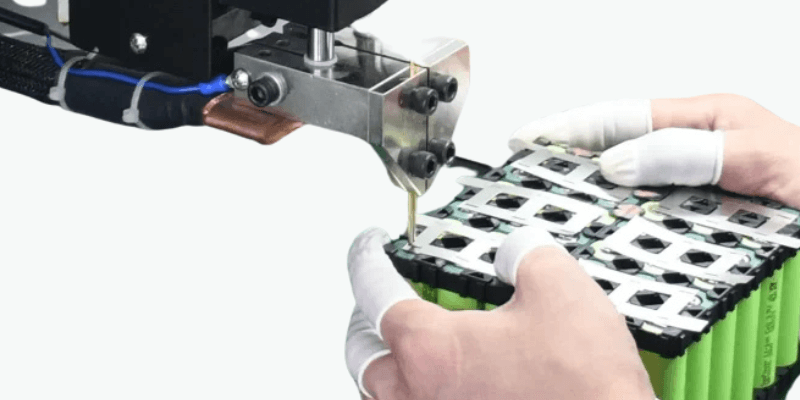
Spring-loaded probes keep consistent pressure on welding points. This ensures stable electrical contact during the weld. Probes adjust automatically to slight surface differences. They reduce the risk of poor connections or misalignment. Regularly check probe tips for wear or dirt. Clean or replace tips to maintain weld quality.
Safety Precautions
Working with weld lithium batteries requires strict safety steps. These batteries store a lot of power and can be dangerous if handled wrong. Taking safety precautions protects you and your equipment. Always prepare before starting any spot welding on lithium batteries.
Avoiding Overheating
Overheating can cause battery damage or fire. Use short, controlled welds to limit heat. Let the battery cool between welds. Keep a fire extinguisher nearby in case of emergencies. Avoid welding near flammable materials or liquids. Monitor the battery’s temperature during the process to prevent risks.
Handling Batteries Safely
Handle batteries with care to avoid punctures or crushing. Use insulated tools to reduce the risk of short circuits. Store batteries in a cool, dry place before use. Never touch battery terminals with bare hands or metal objects. Dispose of damaged or swollen batteries properly. Always check batteries for defects before welding.
Protective Gear Recommendations
Wear safety glasses to protect your eyes from sparks. Use heat-resistant gloves to prevent burns. Wear long sleeves and pants to cover your skin. A welding mask or face shield adds extra protection. Ensure your work area has good ventilation. Keep a first aid kit close for quick response to injuries.
Credit: www.ufinebattery.com
Testing Weld Quality
Testing weld quality is essential to ensure strong and safe connections in lithium battery packs. Poor welds can cause battery failures or safety hazards. Checking welds involves simple tests anyone can perform. These tests help identify weak or faulty welds before use.
Use these methods to confirm weld strength and continuity. Proper testing improves battery reliability and performance.
Performing The Tug Test
The tug test is a quick way to check weld strength. Gently pull on the welded tab or wire. If it moves or loosens, the weld may be weak. A strong weld stays firmly attached without shifting.
Do not pull too hard to avoid damaging the battery. The tug test helps catch obvious poor welds early.
Using A Multimeter
A multimeter measures electrical continuity across welds. Set the meter to the resistance or continuity mode. Place the probes on the weld points or tabs. A low resistance reading means a good weld.
High resistance or no reading signals a bad weld or broken connection. This test confirms the weld carries current properly.
Visual Inspection Tips
Look closely at each weld for signs of defects. Good welds are smooth, shiny, and uniform. Avoid welds with cracks, holes, or discoloration. Excessive burns or uneven spots may indicate overheating or poor technique.
Check for consistent weld size and placement. Clean welds show good contact between metal surfaces. Visual inspection helps spot issues that affect weld quality.
Common Spot Welding Issues
Spot welding lithium batteries is a precise task. Common issues can weaken welds and harm battery performance. Recognizing these problems early helps maintain safety and battery life. This section covers typical spot welding challenges and solutions.
Identifying Weak Welds
Weak welds often appear as small or uneven spots. They may look dull or cracked on the surface. Poor welds can cause battery failure or reduce power flow. Testing with a gentle pull helps find weak joints. Visual inspection alone is not enough. Use a multimeter to check electrical resistance. High resistance means a poor connection.
Preventing Battery Damage
Excessive heat can damage lithium cells during welding. Avoid long weld times to reduce heat buildup. Use the right pressure to prevent crushing the battery. Clean surfaces improve weld quality and reduce resistance. Always weld in a well-ventilated area to avoid fumes. Wear safety gear to protect from sparks and burns. Proper settings on the spot welder protect the battery from harm.
Troubleshooting Techniques
Start by checking the welder’s settings. Incorrect current or time causes weak welds. Replace worn electrodes to ensure strong contact. Clean electrodes regularly for consistent heat transfer. Test each weld with a pull test or conductivity check. Monitor the battery for swelling or overheating signs. Rework weak spots carefully without adding extra heat. Use a thermal camera to find hot spots during welding.
Credit: holobattery.com
Best Practices For Battery Packs
Proper care and assembly are vital for reliable lithium battery packs. Following best practices ensures safety and long-lasting performance. Each step, from making strong connections to correct storage, affects the battery’s efficiency and lifespan.
Ensuring Strong Electrical Connections
Spot welding creates firm links between battery cells. Use the right welding current and timing to avoid weak joints. Poor connections cause power loss and may lead to overheating. Always inspect welds for uniformity and strength. Clean surfaces before welding to remove dirt or oxide layers. Proper connections keep the battery pack safe and efficient.
Maintaining Battery Performance
Keep battery packs balanced by regularly checking cell voltage. Uneven charge levels reduce overall capacity and shorten life. Avoid deep discharges and overcharging to protect cells. Use a quality battery management system for constant monitoring. Ensure cooling during heavy use to prevent overheating. Regular maintenance helps maintain peak performance.
Storage And Handling Tips
Store lithium batteries in a cool, dry place with moderate charge. Extreme temperatures damage cells and reduce capacity. Avoid physical shocks or pressure on the battery pack. Use protective cases when transporting batteries to prevent damage. Follow manufacturer guidelines for long-term storage. Proper handling reduces risks and extends battery life.

Credit: www.ufinebattery.com
Frequently Asked Questions
Can Spot Welding Damage Batteries?
Spot welding rarely damages batteries if done correctly. It creates minimal heat, preserving battery integrity and ensuring strong connections.
How Many Volts Are Needed To Spot Weld?
Spot welding typically requires 1 to 10 volts, depending on material thickness and welder type. Most battery spot welders use 2 to 4 volts.
How To Spot A Lithium Battery?
Spot a lithium battery by checking for a “Li-ion” label. Its cylindrical or pouch shape often indicates lithium chemistry.
Is Ac Or Dc Better For Spot Welding?
DC is better for spot welding due to stable weld quality, higher energy efficiency, and smaller, lighter transformers than AC.
Conclusion
Spot welding lithium batteries requires care and attention. Watch for clean, solid welds without burns or gaps. Use the right tools and settings to avoid damage. Check battery labels to confirm lithium chemistry. Proper welding ensures safety and better battery performance.
Practice and patience improve your skills over time. Stay informed and handle batteries responsibly for best results.

Hi, I’m Zachary Ford. I’m passionate about welding and dedicated to helping both beginners and experienced welders make informed decisions. I research, test, and write about welding helmets, welding machines, safety equipment, and essential workshop tools. My goal is to provide honest reviews, practical buying guides, and easy-to-follow tutorials that help you weld more safely, work more efficiently, and choose the right gear with confidence.