
When it comes to welding, your safety depends heavily on the quality of your gear, especially your welding helmet. But how can you be sure your helmet truly protects you from harmful sparks, intense light, and flying debris?
That’s where ANSI welding helmet standards come in. These standards set the bar for what a welding helmet must do to keep you safe on the job. If you want to protect your eyes and face effectively, understanding these standards is essential.
Keep reading, and you’ll discover what ANSI welding helmet standards mean, why they matter to you, and how to choose a helmet that meets these crucial safety requirements. Your protection starts with the right knowledge.

Credit: proweldinghelmets.com
Ansi Welding Helmet Basics
Welding helmets protect your eyes and face from sparks and harmful light. The American National Standards Institute (ANSI) sets rules for these helmets. These rules help keep welders safe on the job. Understanding the basics of ANSI welding helmet standards matters for every welder.
ANSI standards ensure helmets meet quality and safety requirements. These standards cover how helmets should protect users. They focus on durability, impact resistance, and optical clarity. Using helmets that meet ANSI standards reduces the risk of injury.
What Ansi Standards Cover
ANSI standards cover many parts of welding helmets. They include the helmet shell, lens, and filters. The rules ensure helmets resist heat and sparks during welding. They also set rules for how well helmets protect against impacts.
The standards also address the optical quality of the lens. This helps welders see clearly while working. Proper vision reduces eye strain and errors. ANSI requires helmets to have specific markings to show compliance.
Key Safety Requirements
Helmets must resist high impact to protect from flying debris. The lens must filter out harmful ultraviolet and infrared rays. The helmet should fit securely to avoid slipping during work. Clear vision through the lens is critical for safety.
ANSI standards require helmets to have adjustable shade levels. This lets welders control light exposure. Helmets also need to withstand heat and sparks without damage. Meeting these safety requirements helps prevent burns and eye injuries.
Helmet Performance Criteria
The helmet performance criteria set by ANSI ensure welding helmets provide essential protection and comfort. These standards focus on critical aspects that keep welders safe during work. Each criterion tests the helmet’s ability to withstand hazards and improve usability.
Meeting these criteria means the helmet can protect against impacts, offer clear vision, and shield eyes from harmful light. Understanding these factors helps choose the right helmet that meets safety regulations.
Impact Resistance
Impact resistance measures a helmet’s ability to absorb force from flying objects. ANSI standards require helmets to resist high-speed impacts without cracking. This protection prevents head injuries from sparks, debris, or accidental bumps. Helmets undergo rigorous testing to ensure durability in tough conditions.
Optical Clarity
Optical clarity ensures welders see their work clearly without distortion. ANSI tests the lens for sharpness, color recognition, and minimal blurring. Clear vision reduces eye strain and helps welders maintain precision. Helmets with high optical clarity improve safety and work quality.
Filter Lens Protection
The filter lens protects the eyes from harmful UV and infrared radiation. ANSI standards define the level of darkness and light transmission allowed. Proper filter lenses prevent eye damage caused by welding arcs and bright light. This protection is vital for long-term eye health and comfort during welding tasks.
Auto-darkening Features
Auto-darkening welding helmets improve safety and convenience. These helmets adjust lens darkness automatically during welding. They protect eyes from bright light and harmful rays. ANSI welding helmet standards set rules for these features. Meeting these standards ensures helmets work well and keep welders safe.
Response Time Standards
Response time is how fast the lens darkens after detecting light. ANSI requires helmets to darken within 1/25,000th of a second. Fast response protects eyes from sudden bright flashes. A slow response can cause eye strain or injury. Helmets with quick response times meet ANSI safety standards.
Adjustable Shade Levels
Adjustable shade levels let welders pick the right darkness. ANSI standards require helmets to offer multiple shade settings. This helps welders work on different welding types and brightness. Adjusting shade levels protects eyes and improves visibility. Helmets that meet ANSI rules provide easy shade control.
Certification And Compliance
Certification and compliance are key for welding helmets to ensure user safety. Helmets must meet strict guidelines to protect welders from sparks, heat, and harmful rays. The American National Standards Institute (ANSI) sets these guidelines. Helmets that pass tests earn certification. This shows they meet safety and performance standards. Understanding certification helps welders choose reliable gear.
How Helmets Get Certified
Helmets undergo rigorous testing for impact resistance, optical clarity, and flame resistance. Manufacturers send helmets to accredited labs for evaluation. Tests simulate real welding conditions. Helmets must protect eyes and face from hazards. If helmets pass all tests, they receive ANSI certification. This process ensures only safe helmets reach the market.
Recognizing Ansi Markings
Certified helmets display ANSI markings on the product or packaging. These markings include the ANSI Z87.1 standard number. This indicates compliance with eye and face protection rules. Look for this label before buying a welding helmet. It guarantees the helmet meets minimum safety requirements. Certified helmets provide peace of mind during welding tasks.
Choosing The Right Helmet
Choosing the right welding helmet is vital for safety and efficiency. A helmet that meets ANSI welding helmet standards protects your eyes and face from sparks and harmful rays. It also improves your ability to see the work clearly. Selecting the correct helmet depends on your welding type and personal comfort.
Matching Helmets To Welding Types
Different welding methods need different helmet features. For example, TIG welding requires a helmet with a high optical clarity rating. Stick welding needs a helmet with a higher shade level to protect against intense light. Look for helmets labeled with ANSI standards to ensure proper protection for your welding type.
Auto-darkening helmets are useful for many welding types. They adjust shade levels quickly for varying arc brightness. This feature helps welders work longer without strain. Check that the helmet’s shade range fits the welding process you use most.
Comfort And Fit Considerations
Comfort affects how long you can wear a helmet safely. Choose helmets with adjustable headgear for a secure fit. A well-fitted helmet reduces neck strain and improves focus. Lightweight helmets ease fatigue during extended welding sessions.
Look for helmets with good ventilation to prevent fogging and heat buildup. Padded headbands add extra comfort. Trying on different helmets before buying can help you find the best fit. A comfortable helmet encourages consistent use and better safety practices.
Maintenance And Inspection
Proper maintenance and inspection of welding helmets ensure safety and durability. Regular care helps prevent accidents and equipment failure. Every welder should know how to check their helmet effectively.
Routine Safety Checks
Inspect your helmet before each use. Look for cracks or dents on the shell. Check the lens for scratches or cloudiness. Test the auto-darkening feature to confirm it works. Ensure the headgear fits snugly and adjusts smoothly. Replace batteries if the lens dims or reacts slowly.
Replacing Damaged Components
Replace cracked or broken helmet shells immediately. Swap out scratched or faded lenses to maintain clear vision. Change worn or broken headgear parts for comfort and safety. Use only manufacturer-approved replacement parts. Regularly update batteries to keep the auto-darkening lens responsive. Proper replacements extend helmet life and protect your eyes.
Common Misconceptions
Many welders misunderstand the ANSI welding helmet standards. These standards are made to protect users from serious hazards. Confusion about what the standards cover can lead to unsafe choices. Some believe any helmet with a dark lens is safe. Others think helmets without the ANSI mark meet the requirements. These misconceptions put welders at risk of injury.
Misunderstood Safety Features
Some think the helmet’s darkness alone ensures safety. But the ANSI standard checks more than just lens shade. It tests impact resistance, lens clarity, and UV protection. A helmet might be dark but lack proper UV defense. This can cause eye damage during welding. Also, many believe a helmet without auto-darkening is less safe. The standard covers both fixed and auto-darkening helmets equally. Safety depends on meeting all ANSI criteria, not just one feature.
Avoiding Non-compliant Gear
Many welders buy helmets based on price or look. They skip checking for the ANSI certification mark. Helmets without this mark may fail to protect against sparks and radiation. Non-compliant gear can lead to burns, eye injuries, or worse. Always look for the ANSI Z87.1 mark on the helmet. This mark shows the helmet meets strict safety tests. Buying from trusted suppliers reduces the risk of fake or unsafe gear. Proper gear means better protection and peace of mind.
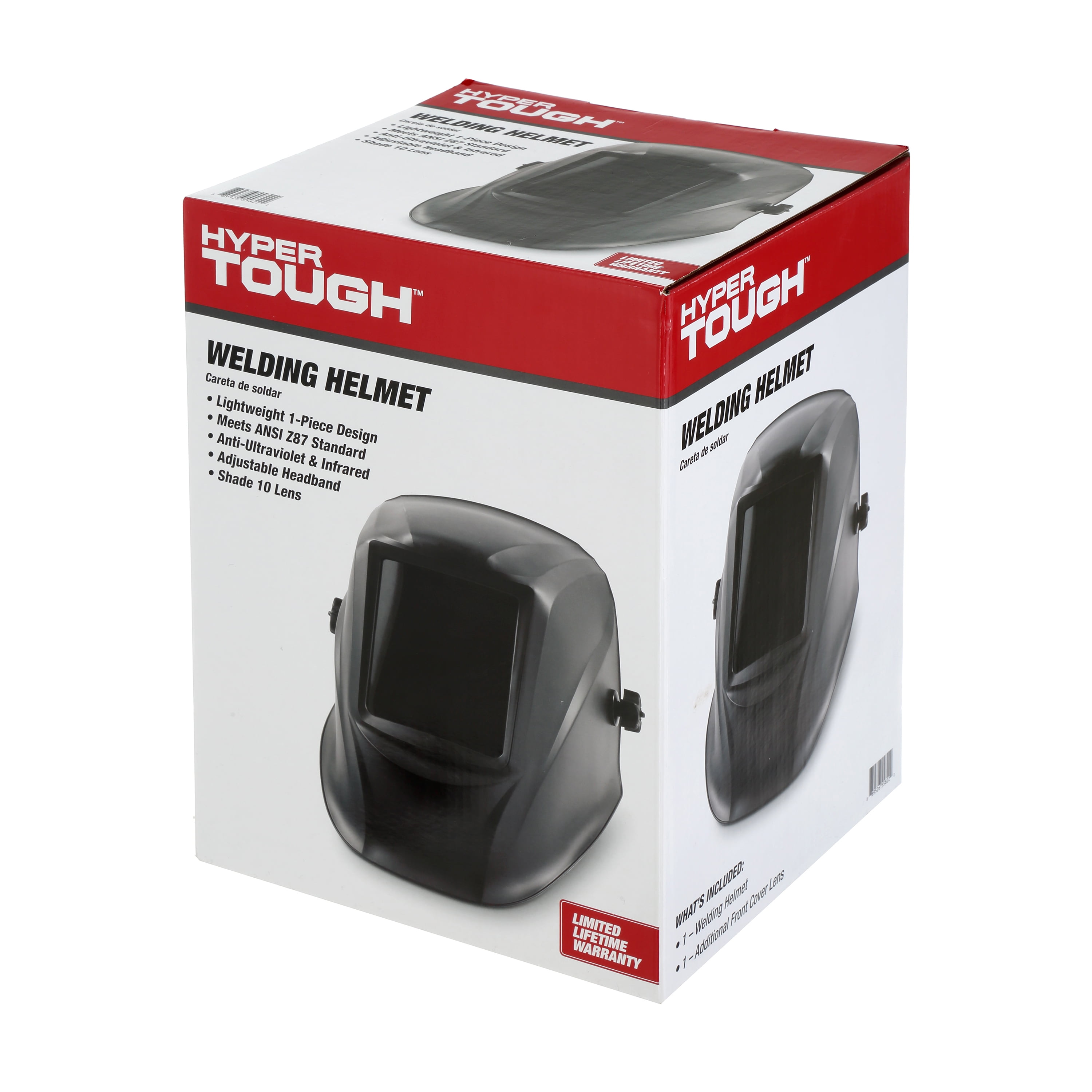
Credit: www.walmart.com
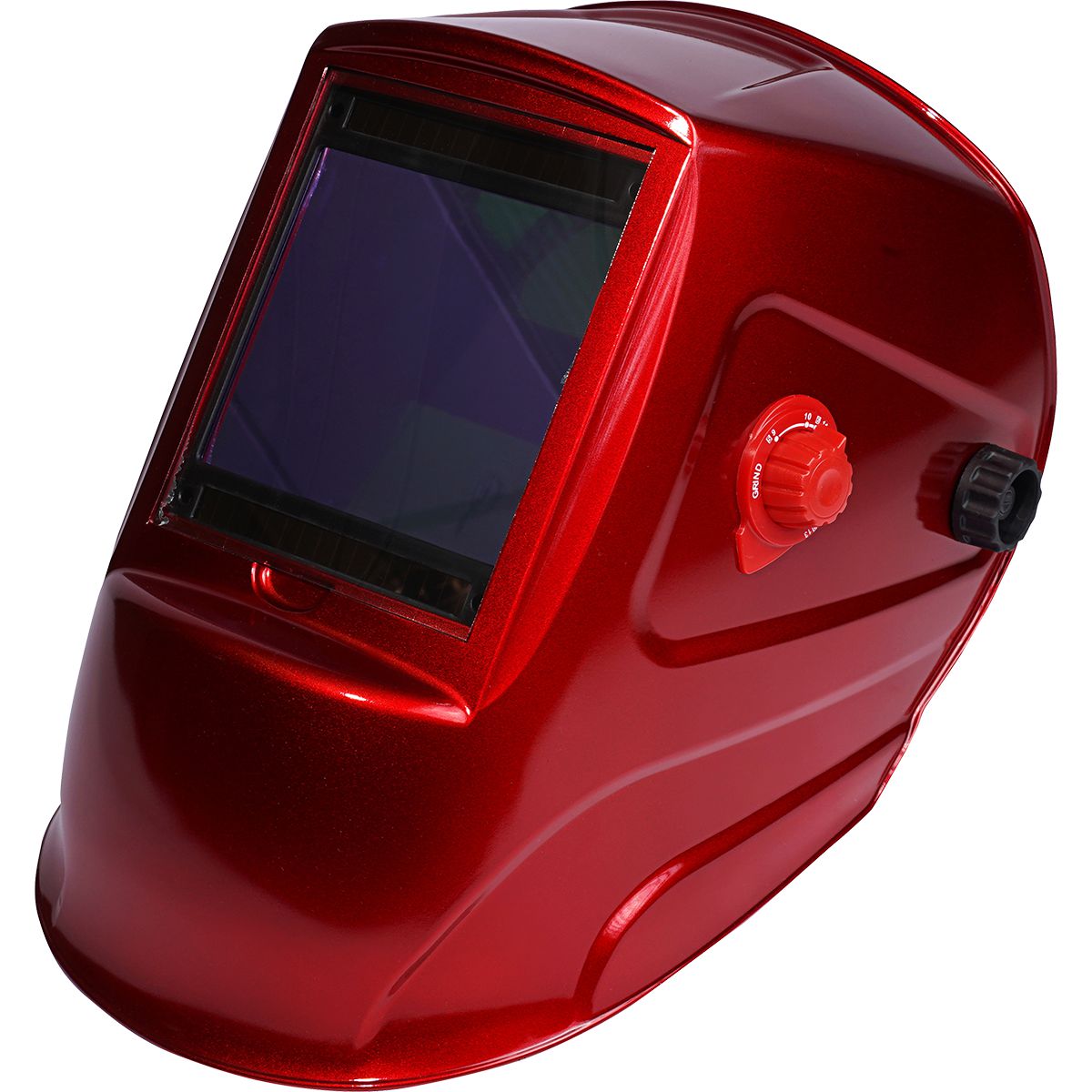
Credit: www.lawsonproducts.com
Conclusion
ANSI welding helmet standards protect welders from serious injuries and hazards. These standards ensure helmets meet strict safety and performance rules. Choosing a helmet that follows ANSI guidelines helps keep your eyes and face safe. Always check for the ANSI mark before buying a welding helmet.
Staying informed about these standards supports safer welding work every day. Safety matters—wear the right helmet that meets ANSI standards.
Hi, I’m Zachary Ford. I’m passionate about welding and dedicated to helping both beginners and experienced welders make informed decisions. I research, test, and write about welding helmets, welding machines, safety equipment, and essential workshop tools. My goal is to provide honest reviews, practical buying guides, and easy-to-follow tutorials that help you weld more safely, work more efficiently, and choose the right gear with confidence.