
Buy a welder that matches your power supply and the metal you’ll actually weld — that’s the whole game. For most people, a small inverter MIG or stick machine on 120V does the job. If you’ll only weld outside on dirty steel, a stick welder wins instead.
Portable welder types compared
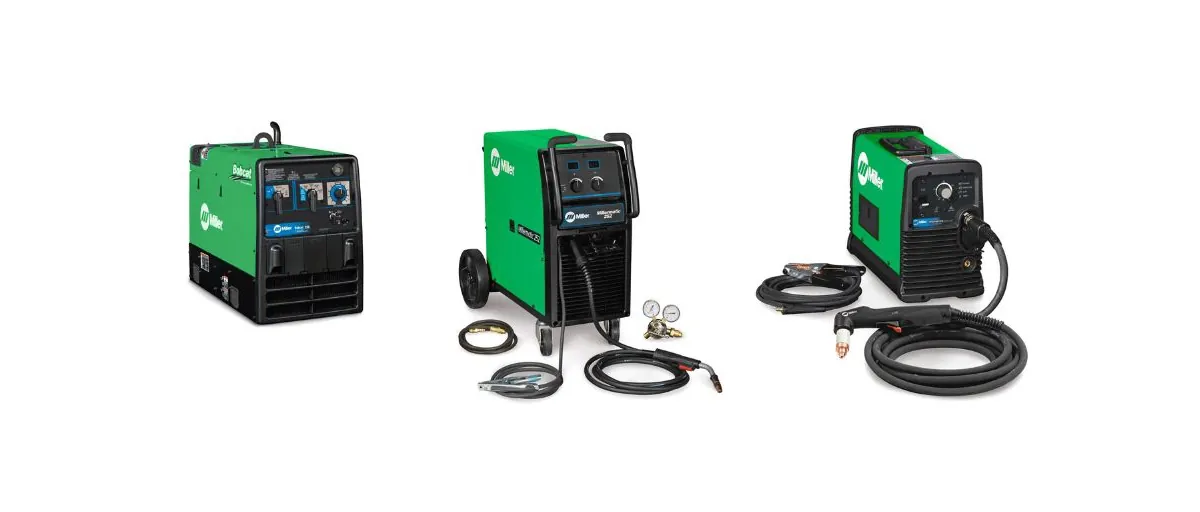
Four machines cover almost every home and farm job. They differ in setup time, skill needed, and what they can join. The table below assumes you’re welding mild steel up to about 1/4 inch thick on a standard 120V household circuit.
| Method | How long | Effort | Cost | Best for |
|---|---|---|---|---|
| Stick (SMAW) | Minutes to set up | Medium | Low | Dirty, rusty, outdoor steel |
| MIG (GMAW) | 15–20 min setup | Low | Medium | Thin sheet, clean indoor work |
| Flux-core (FCAW) | 5–10 min setup | Low | Low | Windy spots, no gas bottle |
| TIG (GTAW) | 30+ min setup | High | High | Aluminum, stainless, neat beads |
How a stick welder works
Stick welding runs an electric arc between a flux-coated rod and the metal. The flux burns off and shields the weld from air. It’s the simplest machine to own and the toughest.
- Set the amperage on the dial — around 90–120A for 1/8 inch rod on 1/4 inch steel.
- Clamp the ground to clean bare metal near your joint.
- Strike the rod like a match to start the arc, then hold a steady gap.
- Drag at a slight angle, letting the rod burn down as you go.
- Chip the slag off with a chipping hammer once it cools.
Stick handles rusty, painted, or windy conditions that ruin other methods. Its weakness is that thin metal under about 1/8 inch is hard to weld without burning through, and the finished bead needs cleanup. For structural work on a vehicle or a building, check your local code requirements first — some joints legally need a certified welder.
How a MIG welder works
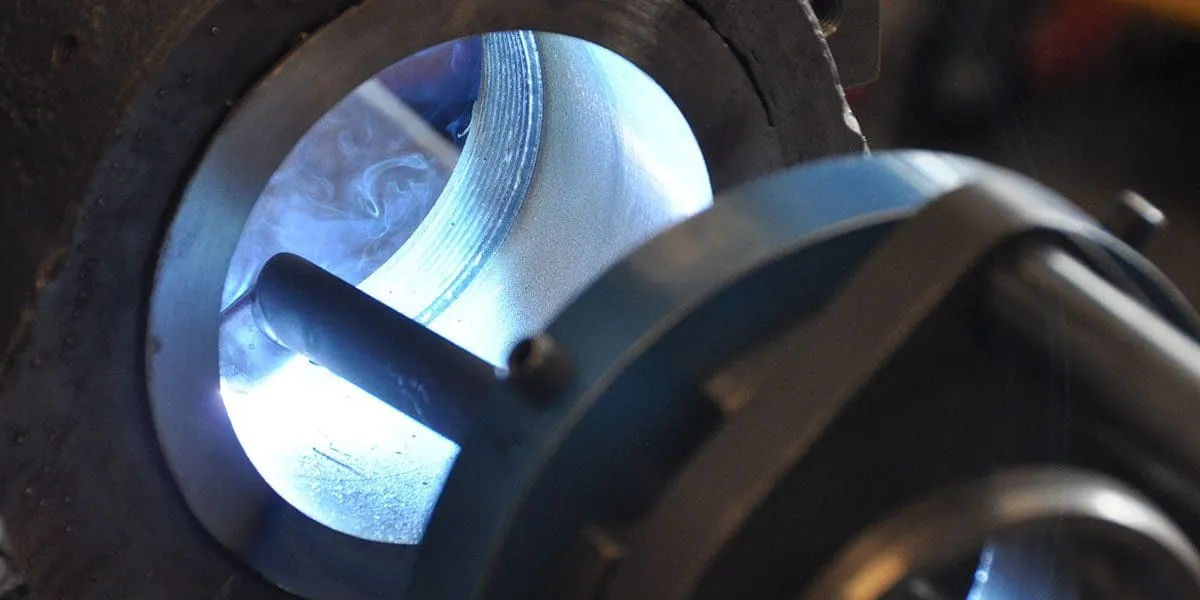
MIG feeds a continuous wire through a gun while gas shields the puddle. You pull the trigger and keep moving. That’s why it’s the easiest method to learn.
- Fit the right wire — 0.030 inch solid wire suits most 1/8 inch steel.
- Connect 75% argon / 25% CO2 shielding gas and set flow to about 15–20 CFH.
- Set voltage and wire speed to match your metal thickness; the machine’s door chart gives starting points.
- Hold the gun at a 10–15 degree push angle, about 3/8 inch stick-out.
- Move in small circles or a slight weave to tie the edges together.
MIG gives clean, fast beads on thin sheet and is forgiving for a beginner. The catch is wind: even a light breeze blows the shielding gas away and leaves porous, weak welds. That’s why it’s an indoor or sheltered method. Gas cylinders also need refilling and safe storage.
How a flux-core and TIG welder work
Flux-core wire carries its own flux inside, so no gas bottle is needed. It’s the outdoor-friendly cousin of MIG.
-
Load flux-core wire — 0.030 or 0.035 inch for general work. Set the polarity to DCEN (electrode negative), which is what self-shielded flux-core wire requires.
-
Set voltage and wire speed slightly hotter than solid wire.
- Weld with a drag angle, pulling the gun away from the puddle.
- Chip and brush the slag after each pass.
Flux-core is cheap to run and works in wind, but it spatters more and leaves slag you must clean. TIG, the fourth method, uses a tungsten electrode and a separate filler rod for the neatest welds on aluminum and stainless. It’s slow and needs real practice, so most home users skip it unless the job demands it.
Which portable welder fits your job
Pick stick if you’re in a hurry on outdoor repairs — it starts fast and ignores rust and wind.
The trade-off is always the same: the easiest methods are the most fussy about clean metal and shelter. Match the method to your metal, your power, and where you’ll actually weld.
Rules that apply to any welder you pick
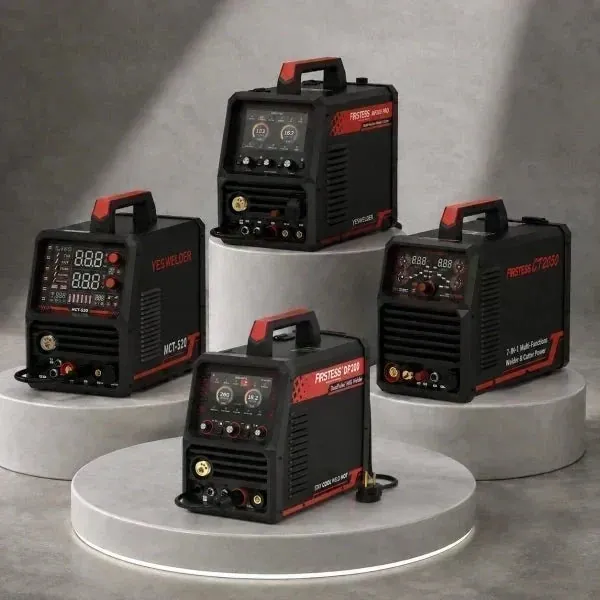
Whatever machine you buy, a few things stay the same. Match the welder’s input voltage and duty cycle to your circuit — a 120V machine on a 20A breaker behaves differently than the same model on 240V, so read the nameplate. Check the duty cycle rating, which tells you the percentage of a ten-minute period the machine can run at a given amperage before it needs to cool.
Frequently asked questions
What’s the best portable welder for a beginner?
A 120V MIG welder with gas is the easiest to learn, because you just pull the trigger and move. If you’ll weld outdoors or on dirty metal, a flux-core or stick machine is more forgiving of conditions.
Can a portable welder run on a normal household outlet?
Yes — most small inverter welders run on 120V and a 20A circuit. Check the machine’s nameplate for its input amps and duty cycle, since a 15A circuit may trip the breaker under heavy use.
How much does a portable welder cost?
Prices range from inexpensive for a basic stick machine to much more for a TIG setup, depending on process and brand. Check current listings, since prices change often and vary by retailer.
How long does it take to learn welding?
Basic stick or MIG beads take a few hours of practice to look decent, but strong, consistent welds take weeks of regular work. TIG takes longer — expect months to get clean results on thin metal.
Is stick or MIG better for outdoor welding?
Stick is better outdoors, because wind can’t blow away its flux shielding. MIG relies on gas that a breeze disperses, so it’s best kept indoors or sheltered.
What happens if I use the wrong wire or gas?
The weld can turn porous, weak, or spatter badly. Match wire type and shielding gas to your metal and process — the machine’s own chart lists the correct combinations for each thickness.
Is it safe to weld in a garage?
Only with good ventilation and no flammable materials nearby. Welding fumes and sparks are real hazards, so open the door, wear protective gear, and keep a fire extinguisher within reach.
Conclusion
Before you buy, check what outlets you’ll actually use and grab a scrap piece of the metal you plan to weld. If you can, test a friend’s machine first. That’ll tell you more than any spec sheet, and you’ll avoid a costly mistake.
Hi, I’m Zachary Ford. I’m passionate about welding and dedicated to helping both beginners and experienced welders make informed decisions. I research, test, and write about welding helmets, welding machines, safety equipment, and essential workshop tools. My goal is to provide honest reviews, practical buying guides, and easy-to-follow tutorials that help you weld more safely, work more efficiently, and choose the right gear with confidence.