
When it comes to welding, your safety depends a lot on the helmet you choose. But do you really know what makes a welding helmet safe and reliable?
Understanding welding helmet standards is key to protecting your eyes and face from harmful sparks, UV rays, and intense light. You’ll discover exactly what these standards mean, why they matter, and how to pick a helmet that meets the right safety requirements.
Stick with me, and you’ll be confident that your next welding helmet will keep you safe every time you work.
FIND YOUR ANSWER – 1.Welding Helmet Safety Ratings 2.OSHA Welding Helmet Requirements 3.Welding Helmet Safety Ratings 4.Welding Helmet Safety Tips 5.Do Welding Helmets Protect from UV 6.Welding Helmet Inspection Checklist 7.Welding Without a Helmet Risks 8.Can Welding Without Helmet Damage Your Eyes
Welding Helmet Types
Choosing the right welding helmet is crucial for your safety and comfort during welding tasks. Different helmet types offer varying features that cater to your specific needs and working style. Understanding the differences can help you pick a helmet that protects you effectively while enhancing your welding precision.
Passive Shade Helmets
Passive shade helmets have a fixed, dark lens that does not change during welding. They are simple, durable, and usually more affordable. However, you must flip the helmet down before starting your weld to protect your eyes from harmful rays.
Many welders appreciate the reliability of passive helmets, especially for tasks that don’t require frequent helmet adjustments. But have you noticed how they limit visibility before you strike the arc? This can sometimes slow you down or affect your accuracy.
Auto-darkening Helmets
Auto-darkening helmets feature lenses that automatically adjust their shade when the welding arc strikes. This means you can keep the helmet down at all times, improving safety and workflow. The lens quickly darkens to protect your eyes and brightens again when you stop welding.
These helmets often come with adjustable sensitivity and delay settings, allowing you to customize how fast the lens reacts. If you’ve ever struggled to position your weld bead while flipping a helmet up and down, an auto-darkening helmet might be a game changer.
Flip Shield Helmets
Flip shield helmets combine elements of both passive and auto-darkening helmets. They have a fixed dark lens but include a flip-up shield that allows you to see clearly when not welding. This design offers convenience and quick transitions between welding and inspecting your work.
Flip shields are popular in environments where welders frequently switch between welding and other tasks. Do you find yourself constantly moving your helmet up and down? A flip shield might save you time and reduce neck strain.
Key Safety Standards
Welding helmets must meet strict safety standards to protect welders from hazards. These standards ensure helmets block harmful light and withstand impact. Understanding key safety standards helps you choose reliable helmets. Each standard has specific tests and requirements. Knowing these can guide you to safer welding gear.
Ansi Z87.1
The ANSI Z87.1 standard is set by the American National Standards Institute. It covers eye and face protection in workplaces. Helmets certified under Z87.1 block ultraviolet and infrared rays. They also resist impact from flying debris. This standard requires testing for optical clarity and durability. Helmets meeting ANSI Z87.1 help reduce eye injuries.
Csa Z94.3
CSA Z94.3 is a Canadian safety standard for eye and face protection. It sets rules for welding helmets to protect against radiation and sparks. Helmets must pass tests for lens shade and impact resistance. The standard ensures helmets fit securely and comfortably. CSA Z94.3 certification means helmets offer reliable protection in Canadian workplaces.
En379
EN379 is a European standard for welding filters in helmets. It focuses on auto-darkening filters that adjust shade automatically. The standard tests switching speed, optical quality, and durability. Helmets meeting EN379 ensure welders’ eyes adjust quickly to bright light. This reduces eye strain and enhances safety during welding tasks.
Shade Ratings Explained
Welding helmet shade ratings play a key role in protecting your eyes during welding. These ratings tell you how dark the lens is. The right shade blocks harmful light and lets you see the work clearly. Understanding shade ratings helps you pick a helmet that matches your welding needs.
Choosing The Right Shade
Pick a shade that fits the welding process and current. Too light a shade can harm your eyes. Too dark a shade makes it hard to see. Check the helmet’s shade number before buying. It should match the welding task for safety and comfort. Most helmets list the shade range they cover.
Shade Range For Different Welding Processes
Different welding types need different shade levels. For example, MIG welding usually requires shades 10 to 13. TIG welding might need lighter shades, like 8 to 12. Stick welding often needs darker shades, from 10 to 14. Always match the shade to the welding current and process for best protection.

Credit: www.harborfreight.com
Lens Features To Consider
The lens is a crucial part of any welding helmet. It protects your eyes from bright light and harmful rays. Choosing the right lens can improve your comfort and safety. Several features affect the lens quality and performance. Understanding these features helps you pick a helmet that meets your needs.
Switching Speed
Switching speed is how fast the lens changes from light to dark. Faster switching protects your eyes better from sudden sparks. A good lens switches in less than 1/25,000 of a second. Slow lenses can cause eye strain and reduce focus. Look for helmets with fast auto-darkening sensors.
True Color Technology
True color technology shows more natural colors during welding. It reduces the green tint common in older lenses. This feature helps you see the weld pool clearly. Better color vision improves accuracy and reduces eye fatigue. Choose helmets that offer true color for clearer vision.
Lens Size And Viewing Area
The lens size affects how much you can see while welding. Larger lenses give a wider field of view. This helps you work more comfortably and safely. Smaller lenses may limit your vision and cause more head movement. Pick a helmet with a lens size that fits your work style.
Helmet Comfort And Fit
Welding helmets must fit well to keep you safe and comfortable. A helmet that fits poorly can cause headaches and distractions. Comfort helps you focus on your work and reduces fatigue. Proper fit also protects your face and eyes from sparks and harmful rays. Several design features improve helmet comfort and fit. These features matter in welding helmet standards and user satisfaction.
Adjustable Headgear
Adjustable headgear lets you customize the helmet’s fit. Straps and knobs control tightness around your head. This prevents the helmet from slipping or feeling too tight. A secure fit reduces movement during welding tasks. Some helmets offer quick adjustments for convenience. Good headgear adjustment improves overall comfort and safety.
Weight And Balance
Helmet weight affects how long you can wear it comfortably. Heavy helmets strain your neck and shoulders. A balanced helmet spreads weight evenly across your head. This balance lessens pressure points and discomfort. Lightweight materials help reduce fatigue. Proper weight and balance support longer welding sessions without pain.
Ventilation And Padding
Ventilation keeps your head cool and reduces sweat buildup. Proper airflow inside the helmet prevents overheating. Some helmets include vents or breathable padding. Padding cushions your head and absorbs sweat. It also prevents skin irritation from hard surfaces. Good ventilation and padding improve comfort and hygiene during work.

Credit: optrel.us
Additional Safety Tips
Welding helmets play a crucial role in protecting welders from hazards. Beyond choosing the right helmet, some extra safety practices improve protection. These additional tips help reduce risks from UV and infrared rays. They also keep your helmet in top shape. Proper care ensures long-lasting safety and comfort during welding tasks.
Protecting Skin From Uv And Infrared Rays
Welding emits strong UV and infrared rays. These rays can burn your skin and cause serious damage. Always wear protective clothing that covers your arms, neck, and hands. Use flame-resistant gloves and long sleeves. Avoid exposing bare skin to welding light. Some helmets come with extra face shields for better coverage. Use sunscreen on any exposed skin if working outdoors.
Maintenance And Inspection
Regular maintenance extends your helmet’s life and safety. Check the lens for cracks or scratches before each use. Clean the lens with a soft cloth and mild cleaner to keep visibility clear. Inspect the headgear for wear or loose parts. Replace any damaged components immediately. Test the auto-darkening feature frequently to ensure proper function. A well-maintained helmet protects better and lasts longer.
Proper Storage
Store your welding helmet in a dry, clean place. Avoid leaving it in direct sunlight or extreme temperatures. Use a protective case or bag to prevent dust and damage. Keep the helmet away from chemicals or sharp objects. Proper storage stops lens damage and keeps the helmet ready to use. Always store it safely after every welding job.
Top Welding Helmet Brands
Choosing the right welding helmet is critical for safety and comfort. Many brands meet strict welding helmet standards. These brands offer reliable protection and useful features. Here are some top welding helmet brands trusted by professionals and hobbyists alike.
Lincoln Electric
Lincoln Electric is a well-known name in welding equipment. Their helmets offer excellent eye protection against sparks and UV rays. Many models feature auto-darkening lenses that adjust quickly. The helmets are lightweight and comfortable for long use. Lincoln Electric helmets meet high safety standards. They suit both beginners and expert welders.
Hobart
Hobart welding helmets are known for durability and ease of use. Their auto-darkening helmets adjust shade levels fast. Hobart helmets provide a wide viewing area for better visibility. They are designed to reduce neck strain with balanced weight. Safety features include strong impact resistance. Hobart is a reliable choice for many welders.
Vulcan
Vulcan helmets combine safety with affordability. These helmets have clear lenses with true color view. Auto-darkening technology protects against harmful light flashes. Vulcan offers helmets with adjustable settings for different welding tasks. Their helmets comply with industry standards for protection. Many welders prefer Vulcan for both quality and value.
Klutch
Klutch helmets provide solid protection at a budget-friendly price. Their helmets feature quick auto-darkening sensors. Klutch helmets have a comfortable fit with adjustable headgear. The lenses offer good clarity and UV protection. Klutch helmets meet safety standards required for welding. They are popular among hobbyists and entry-level welders.
Where To Buy Helmets
Choosing the right welding helmet is key to protecting your eyes and face. Knowing where to buy helmets makes this easier. You can find quality helmets both locally and online. Each option has its own benefits and price points. Here are some places to start your search.
Local Stores In Austin, Texas
Austin has several stores that sell welding helmets. Home Depot offers a range of helmets with auto-darkening features. Harbor Freight Tools is another option with affordable helmets. Tractor Supply Company stocks helmets suitable for different welding needs. These stores let you try helmets on before buying. You can also get advice from store staff.
Online Retailers
Many online shops sell welding helmets with detailed descriptions. Amazon has a wide selection with customer reviews. Grainger Industrial Supply offers industrial-grade helmets. Northern Tool provides helmets for both hobbyists and professionals. Buying online allows you to compare features and brands easily. Most websites also offer fast shipping.
Price Comparisons
Prices for welding helmets vary from under $30 to over $300. Basic helmets at Walmart and Harbor Freight start around $30. Mid-range helmets like those at Home Depot cost about $100. High-end helmets from specialty stores can exceed $300. Checking prices across stores helps you find the best deal. Look for sales and free shipping options to save money.

Credit: www.lasersafetycertification.com
Frequently Asked Questions
What Are Ece 22.05 And Ece 22.06 Standards?
ECE 22. 05 and ECE 22. 06 are European standards for motorcycle helmets. They ensure helmets meet safety, impact, and retention tests. ECE 22. 06 updates 22. 05 with stricter impact zones, higher testing speeds, and improved protection requirements. Both certify helmets for road use in many countries.
Is Ansi Z87-1 Good For Welding?
ANSI Z87-1 meets basic eye protection standards but lacks specific features for welding. Choose helmets designed for welding safety.
What Is The Ansi Standard For Welding?
The ANSI standard for welding is ANSI Z49. 1. It sets safety requirements for welding, cutting, and allied processes. This standard ensures workplace safety and protects welders from hazards.
Conclusion
Welding helmet standards help keep welders safe every day. They set clear rules for eye and face protection. Choosing a helmet that meets these standards reduces injury risks. Always check the helmet’s certification before buying. Proper gear means better focus and comfort while welding.
Safety should never be an afterthought in any welding job. Follow these standards to protect yourself and work with confidence.
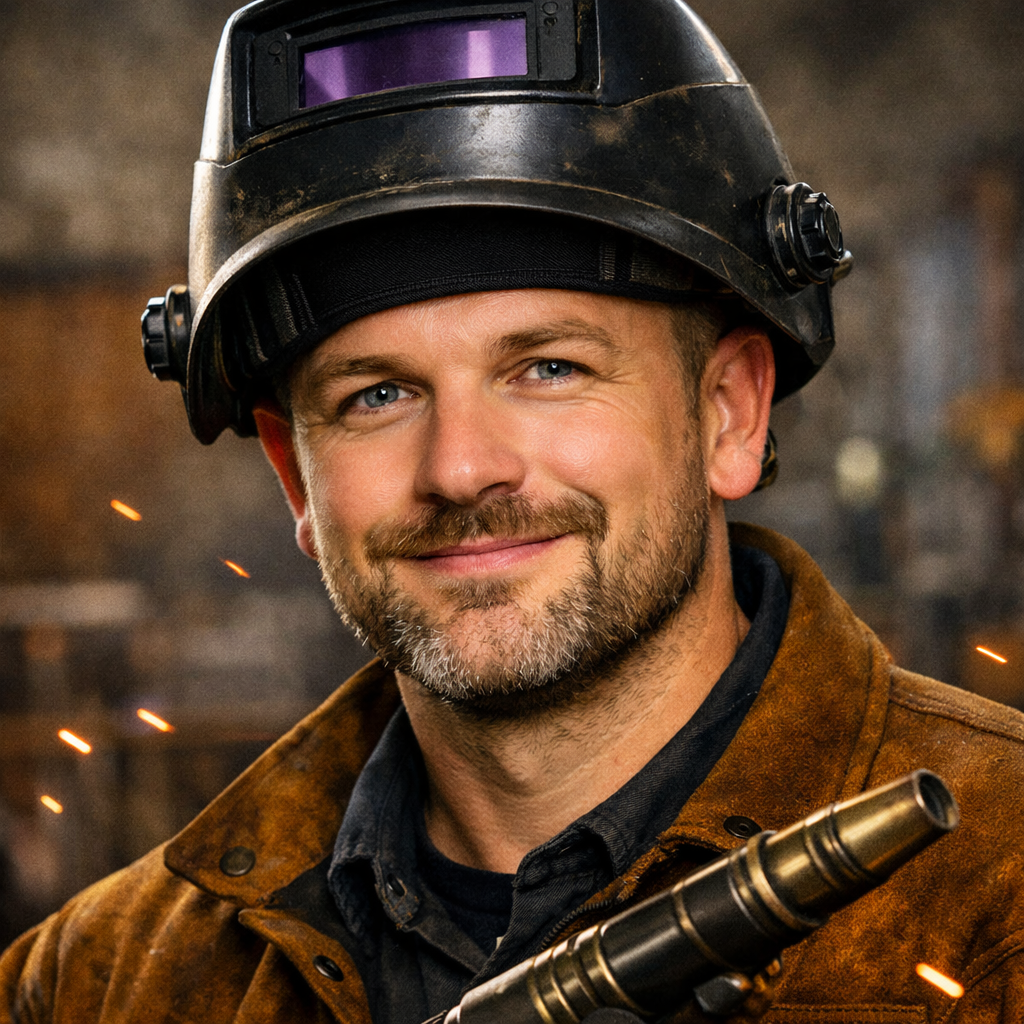
Hi, I’m Zachary Ford. I’m passionate about welding and dedicated to helping both beginners and experienced welders make informed decisions. I research, test, and write about welding helmets, welding machines, safety equipment, and essential workshop tools. My goal is to provide honest reviews, practical buying guides, and easy-to-follow tutorials that help you weld more safely, work more efficiently, and choose the right gear with confidence.